


Gyeonggi Province Replaces All CCTVs at Paldang Water Intake for Enhanced Water Quality Monitoring
Gyeonggi Province plans to completely replace aging CCTVs installed at the Paldang water intake to strengthen water quality pollution monitoring capabilities.
The province announced on the 18th that it will replace 18 CCTVs installed at major rivers flowing into Paldang Lake and vulnerable areas by October.
Currently, the CCTVs for monitoring water quality violations at the Paldang water intake include six units at Gyeongan Stream, four units at the Namhan River, and eight units at the Bukhan River, all of which were installed between 2006 and 2007.
The newly replaced CCTVs feature 2-megapixel resolution, significantly higher image quality compared to the existing 410,000-pixel CCTVs, and are equipped with 20x zoom capabilities and infrared night vision recording functions, providing stronger monitoring performance during vulnerable hours such as nighttime.
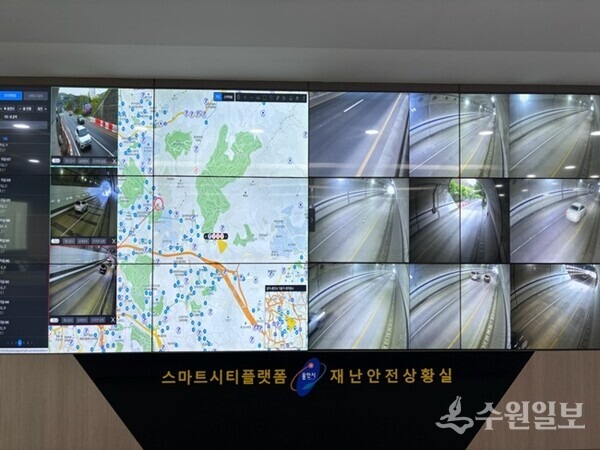
Along with the CCTV replacement, the province plans to install high-capacity, high-performance video surveillance systems capable of storing, real-time playback, and transmitting high-definition large-volume footage.
Additionally, field equipment at Zoan Stream and Gwiyeori that have lost water quality monitoring functions due to environmental changes in surrounding installation areas will be relocated to the Gwangdong Bridge Clean Wetland Park area and the Gwaneun intersection, respectively.
Han Bae-su, director of the Water Resources Division, stated, “We decided to undertake a complete CCTV replacement to respond more quickly to water quality violations and sudden water quality accidents occurring around the Paldang water intake,” and added, “We expect more efficient monitoring operations to be possible going forward.”
Meanwhile, the Paldang water intake serves as the drinking water source for 25 million residents in the Seoul metropolitan area, where illegal activities such as fishing and fishing practices are prohibited.
The Water Resources Division cracked down on a total of 5,477 illegal activities this year, and detected and filed charges in three cases including unauthorized operation of oil transport vehicles on restricted roads, fishing activities, and shellfish harvesting.

Loading comments…