


Gyeonggi Province to Designate Major Regions as Land Transaction Permit Zones for Foreigners and Corporations

[Suwon Ilbo=Reporter Park No-hoon] Gyeonggi Province plans to designate major regions of the province as land transaction permit zones for foreigners and corporations as early as October, excluding certain areas including Yeoncheon and Anseong where speculative concerns are low. However, the province explained that it will apply regulations only to acquisition activities rather than sales transactions, effectively establishing a 'land acquisition permit zone.'
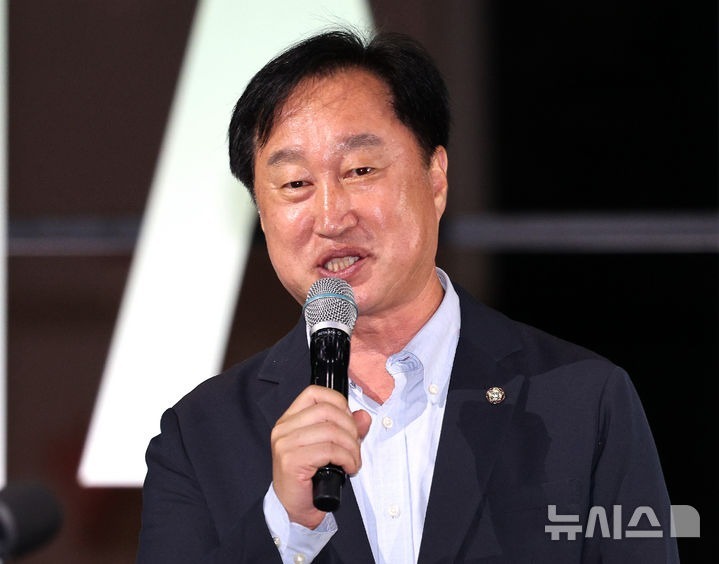
Kim Hong-guk, spokesperson for Gyeonggi Province, held an online press conference at the Gyeonggi Provincial Government building on the 3rd and announced a 'plan to designate land transaction permit zones for foreigners and corporations to block real estate speculative demand.'
Spokesperson Kim stated, "Foreigners and corporations with substantial financial resources have already become major players in the land and housing market, acting as factors that fuel real estate price increases," and added, "Powerful and effective measures are urgently needed to stabilize the real estate market," announcing the province's regulatory push.
The province's measure comes amid a sharp increase in real estate transactions by foreigners and corporations, with the province determining that a considerable portion of the real estate they have acquired is for speculative purposes rather than business use or primary residence.
In fact, from January to July this year, corporations acquired a total of 9,580 apartments in Gyeonggi Province, a surge of 370% (7,544 units) compared to 2,036 units in the same period last year. Real estate transaction volumes including apartments, commercial spaces, and villas acquired by foreigners increased by 32% (1,338 units) from January to July, compared to 4,085 units in the same period last year.
National Tax Service data supports the province's assessment. In April, the National Tax Service announced that real estate company establishments were surging and that it would conduct tax investigations after identifying numerous real estate companies intended to evade speculation regulations on multi-property owners or to gift high-priced apartments to children.
Foreigners show a similar pattern. According to National Tax Service data released on August 3rd, from 2017 through May 2020, 1,036 foreigners acquired two or more apartments domestically, including one foreigner who acquired 42 apartments (acquisition value of 6.7 billion won). Additionally, upon verifying whether foreign-owned apartments were actually occupied, 7,569 apartments (32.7%) out of 23,167 total acquired apartments were found to be vacant and not occupied by the owners.
Accordingly, the province plans to conduct careful review focusing on speculation-overheated areas and announce specific land transaction permit zones for foreigners and corporations, including target regions and standard acquisition sizes, by October.
Although the province designated the zones as land transaction permit areas, it plans to require permits from the relevant city or county mayors only for real estate acquisition activities by foreigners and corporations within the permit zones. Violations will result in imprisonment for up to two years or fines up to 30% of the land price.
Regarding the reason for limiting regulatory targets to foreigners and corporations, Spokesperson Kim explained, "If we were to extend land transaction permit requirements to all domestic residents across all of Gyeonggi Province, the administrative burden on government agencies would be significant, and it could cause adverse effects such as balloon effects where demand concentrates in Seoul and Incheon areas," adding, "Considering that this could cause inconvenience to normal housing transactions by domestic residents, we limited the scope of regions and applicable targets."
Given the characteristics of the land transaction permit system, in which acquisition is permitted only to actual users with an obligation to use the permitted purposes for 2-5 years, Gyeonggi Province expects the permit zones to effectively block speculative demand from foreigners and corporations.
Loading comments…