


CEO Message Korea Gas Corporation President Hong Ui-rak: "LNG is a stepping stone to energy transition… Leap toward 'future energy platform'"
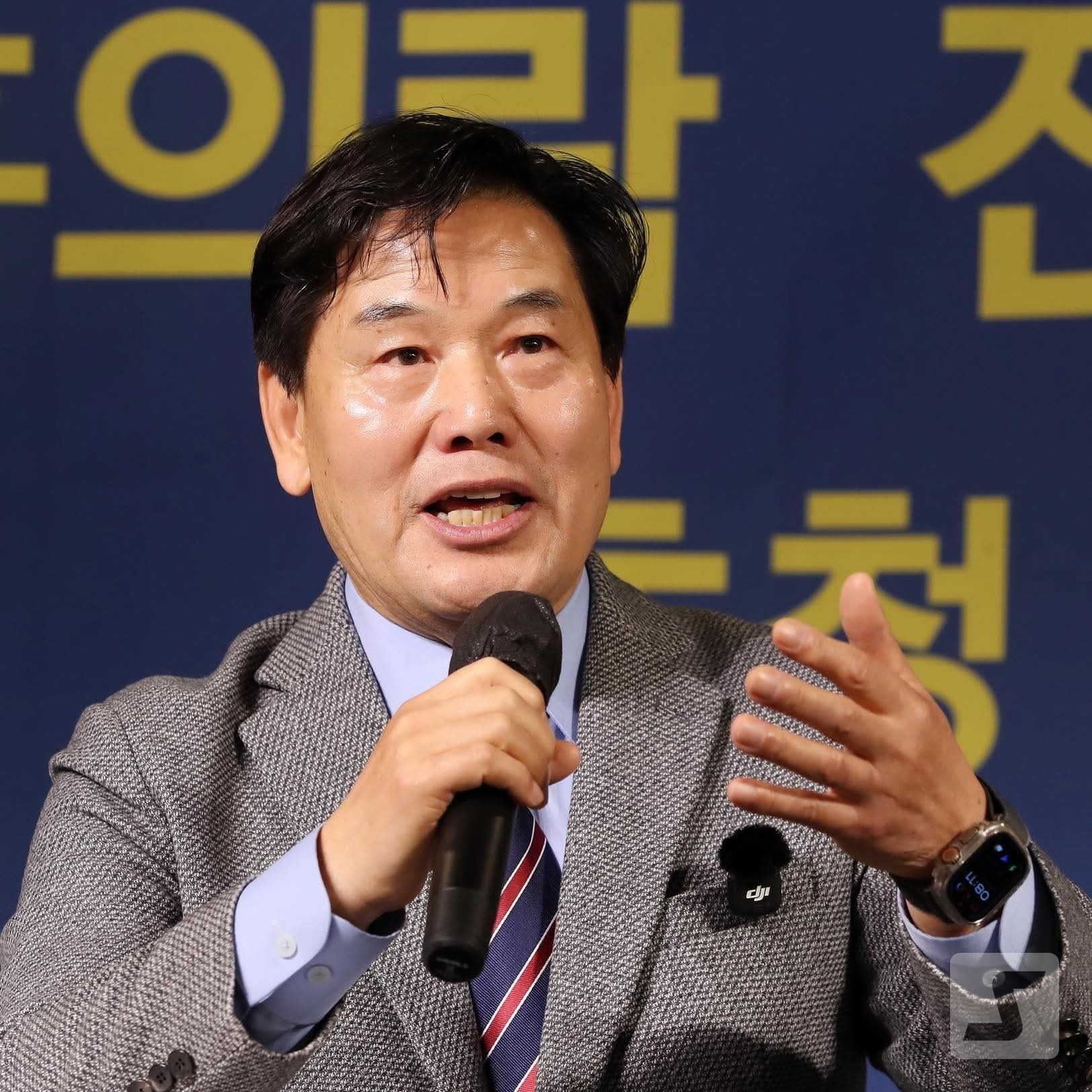
Korea Gas Corporation President Hong Ui-rak emphasized the role of liquefied natural gas (LNG) as a "backup power source" to support the stability of the electricity grid during the expansion of renewable energy, while advocating for reform of the compensation system for flexibility in the power market and structural improvement of the corporation.
On the 12th, President Hong posted on his Facebook a message titled "Is LNG a stumbling block or stepping stone to energy transition?" and stated, "Renewable energy and LNG are not competing forms of energy but should be designed together while complementing each other's limitations."
President Hong first defined energy transition not as simple fuel substitution but as "transforming the entire system encompassing the production and consumption, supply and demand, storage and distribution of electricity." While expressing support for recent policy directions centered on renewable energy and nuclear power, he posed the question: "As the proportion of renewable energy increases, what will fill the gap during times when the sun doesn't shine and the wind doesn't blow, or when electricity demand surges?"
He diagnosed that energy storage systems (ESS), pumped-storage hydroelectricity, and expansion of transmission networks alone have technical and economic limitations in responding to fluctuations in power generation depending on weather and time. He explained that LNG, which enables rapid start-up and output adjustment, should function as a "bridge fuel" and "backup energy."
In particular, he made strong calls for reform of the power market compensation system. President Hong stated, "So far, the power market has mainly operated based on power generation volume and unit generation cost," and pointed out, "Going forward, flexibility that contributes to the electricity system—such as the standby capacity of power generation facilities, rapid start-up, output adjustment, and reserve provision—should be fairly evaluated and compensated." This aligns with ongoing discussions on market system reforms being pursued by the government, including the introduction of real-time and ancillary services electricity markets to address growing renewable energy volatility.
At the same time, he made clear that LNG must confront its limitations as a fossil fuel and evolve into a low-carbon and decarbonized energy source. President Hong stated, "A bridge is meant to be crossed, not to be stayed on," and identified key tasks: ▲minimizing methane emissions in the supply chain ▲expanding facility electrification and carbon capture, utilization, and storage (CCUS) ▲developing hydrogen co-combustion and full-combustion technologies ▲introducing e-methane and biomethane that can leverage existing pipeline infrastructure. He added that institutional and policy support, including establishing the legal status and certification standards for e-methane, must be implemented in parallel.
He also presented measures to strengthen purchasing power for ensuring supply stability and economic efficiency. The concept involves appropriately combining long-term contracts and spot purchases to prepare for uncertainty in the international LNG market, and strengthening joint purchasing and trading capabilities to secure price negotiation power and market responsiveness.
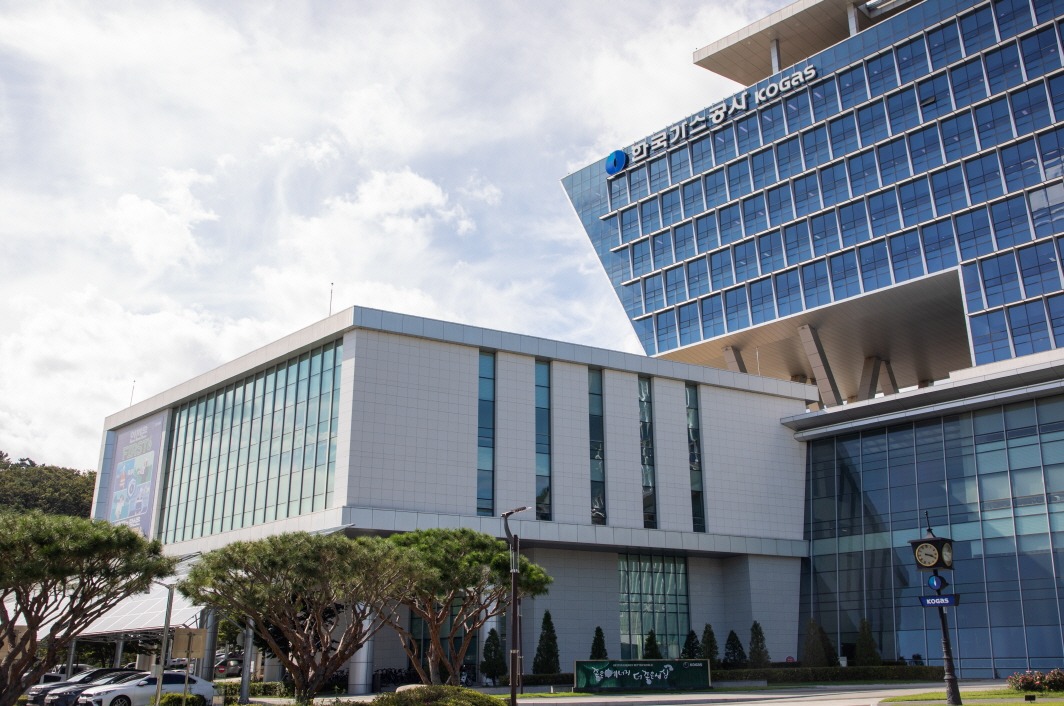
President Hong emphasized, "Korea Gas Corporation cannot remain a company that simply imports and supplies LNG; it must strengthen purchasing power and trading capabilities while preparing the supply foundation for future low-carbon gases such as hydrogen and e-methane to develop existing infrastructure into a 'future energy platform.'"
President Hong's remarks are interpreted as reflecting an awareness that policy and institutional support is urgently needed to address the dual challenges of resolving electricity grid instability due to the expansion of renewable energy and achieving a decarbonization transition in the natural gas industry.
However, there are significant practical hurdles to overcome. Concerns remain about dispelling environmental communities' wariness of fossil fuel dependence lock-in and easing worries about stranded assets of existing pipeline networks. Additionally, amid the Korea Gas Corporation's strained financial conditions—including massive arrears in the hundreds of billions of won and high debt ratios—how to secure astronomical investment funds and economic viability for clean hydrogen and e-methane infrastructure construction is expected to be the key to realizing the future vision.
Loading comments…