


Editorial The Bitter Landscape of Competition for 'People's Livelihood National Funds'…Central Government Irresponsibility and National Assembly Partisan Conflict Fueling Local Finance Collapse
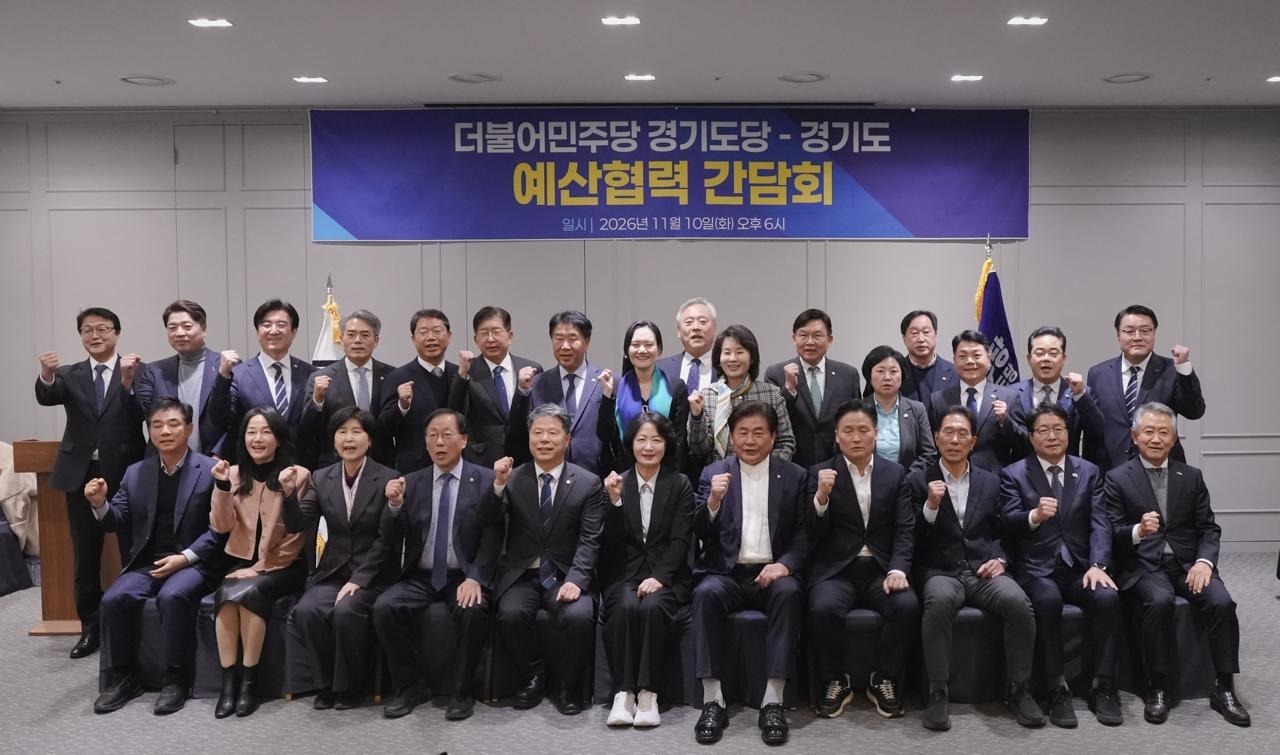
Gyeonggi Province has launched an all-out effort by mobilizing a resident-based National Assembly strategy to recover 884.1 billion won in "people's livelihood national funds" that were either not reflected or cut from next year's government budget proposal. The sight of Ha Jong-mok, Vice Governor for Administration, personally making the rounds through standing committees and the Budget and Accounts Committee conducting "one-on-one" persuasion is not only urgent but tragic.
However, one cannot help but ask: What were the central government and the National Assembly doing while basic welfare and public transportation budgets directly linked to the lives of residents were on the chopping block? This situation is not a simple budgetary dispute but a miniature version of local finance collapse brought about by a collaboration between the central government's irresponsible fiscal burden-shifting and the National Assembly's wasteful partisan conflict.
Central Government Irresponsibility: Structural Deception of "Gaining Credit for the Nation, Shifting Burden to Local Governments"
The essence of the problem is the structural deception perpetrated by the central government. Under the pressure of "matching funds" where the state takes all the credit while dumping costs on local governments—including basic pensions, long-term elderly care, and the Nuri curriculum—the available resources of local governments have already run dry.
In the face of declining revenue and surging mandatory expenditures, it is natural for Gyeonggi Province to struggle to secure national funds as a defensive measure. Nevertheless, the central government watches the collapse of local finances as if it were a neighbor's problem and tolerates the malformed 7-to-3 structure of national and local taxes. The central government's attitude of ignoring its own fiscal soundness while dumping burdens on local governments represents the height of irresponsibility.
National Assembly's Indifference and Mal-practices: Informal "Note Budget" and Partisan Conflict Creating Gaps in People's Welfare
The National Assembly also bears heavy responsibility. The structure that forces local government officials to wear out the doorsteps of assembly members' offices every year-end budget review season is itself a vice.
The ruling and opposition parties have either held people's livelihood budgets hostage for partisan conflict or focused solely on securing "note budgets" for constituency favoritism, while leaving urgent regional-level welfare and safety net gaps unaddressed. The National Assembly cannot escape responsibility for failing to establish a proper medium- to long-term fiscal distribution system and legislative alternatives, instead reducing local governments' efforts to extinguishing immediate crises to a begging platform.
Drastic Self-Improvement and Institutional Decisions: Moving Beyond Paternalistic Thinking Toward Fundamental Reform
Gyeonggi Province's "National Assembly one-on-one" strategy is an expedient measure to extinguish immediate fires, but it cannot be a panacea. Gyeonggi Province itself must not merely depend on central support or rely on ad-hoc budget execution, but must earn residents' trust through painful restructuring of its expenditure structure and fiscal efficiency improvements.
At the same time, this situation must send a strong warning to the central government and the National Assembly. Without abandoning centralized thinking that treats local governments as objects of benevolence, there is no future for local autonomy in South Korea. The National Assembly must no longer turn a blind eye to people's livelihoods through partisan conflict and must immediately take decisive institutional action, including fundamental overhaul of the local tax system and increased national subsidy rates.


Loading comments…