


Jeon Ae-ri: "Multifaceted Solutions Needed for Free School Meals for Underprivileged Children"
Suwon NewsUpdated 2013.11.27 12:51
Published 2013.11.27 12:49
Updated 2013.11.27 12:51
[Suwon City Council Administrative Audit] 79.3% of Free Meal Partner Restaurants are Large Corporate Convenience Stores... Need to Expand Partner Network
The free meal program for underprivileged children, which had shown gradual improvement by raising the per-meal price from 3,500 won to 4,500 won to address issues with kimbap restaurants, is facing a hidden threat from large corporate convenience stores, raising concerns that it poses a serious threat to growing children's health and the local economy.
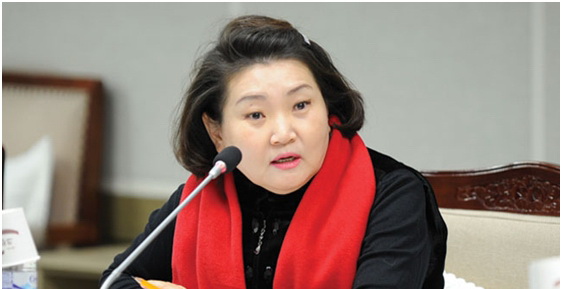
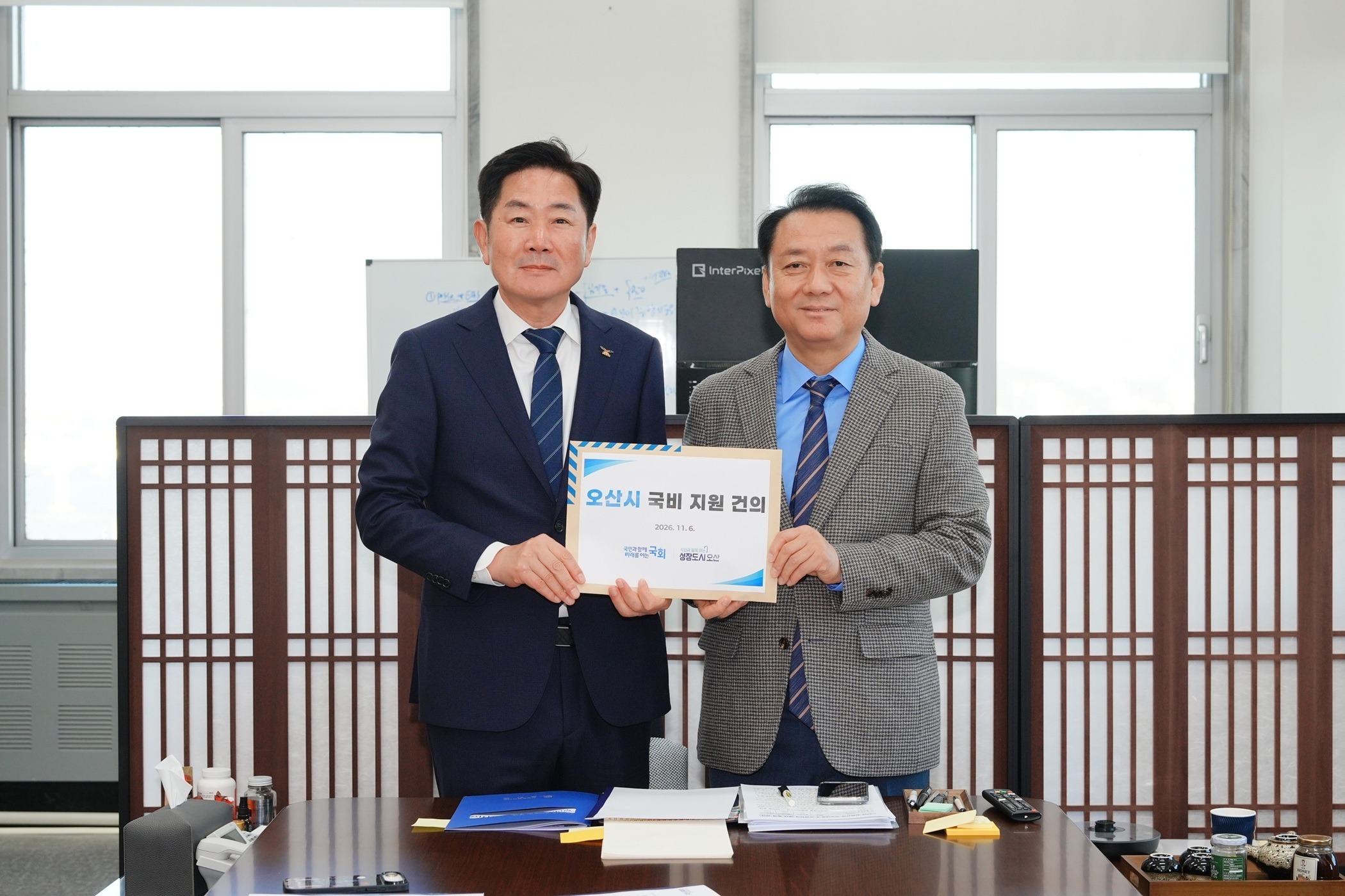
During the Yeongtong-gu administrative audit of the Suwon City Council's Culture, Welfare and Education Committee, Councilwoman Jeon Ae-ri (New Frontier Party, proportional representative, photo) investigated the usage status of 168,335 meal instances by underprivileged students and found that three major corporate convenience store chains—C, G, and K companies—account for 79.3% of all free meal partner establishments, representing 449 outlets.
This phenomenon emerged after the three major corporate convenience store chains, designated by Gyeonggi Province in February 2013, were registered en masse as free meal partner establishments, which could potentially pose a serious threat to the health of growing students.
Examining actual convenience store usage patterns among underprivileged children reveals that 64.4% purchase items such as triangular kimbap and processed milk like vanilla milk. This phenomenon emerged after the three major corporate convenience store chains, designated by Gyeonggi Province in February 2013, were registered en masse as free meal partner establishments, which could potentially pose a serious threat to the health of growing students.
Examining actual convenience store usage patterns among underprivileged children reveals that 64.4% purchase items such as triangular kimbap and processed milk like vanilla milk. Even when purchasing two 800-won triangular kimbaps, the caloric content is only 376kcal, which is less than the 484kcal of a 1,500-won serving of kimbap from a traditional restaurant, potentially leading to serious nutritional deficiencies.
Additionally, according to a report released by the Korea Consumer Protection Agency in September 2013, sorbic acid—a substance harmful to the human body—was detected in triangular bibimbap sold at convenience store chain G.
Only ten months after implementation, Yeongtong-gu showed a rapid usage rate of 23.4% and Gwonseon-gu of 12.5%, rapidly replacing traditional kimbap restaurants and regular restaurants, necessitating countermeasures.
In fact, examining Seoul's 2012 free meal electronic meal service usage statistics shows that out of a total of 19.9 billion won, 6.93 billion won—34.7%—was spent at convenience stores, indicating that even the food market for underprivileged children is being monopolized by large conglomerates.
Kim, a restaurant owner in Jang-an-gu, expressed dissatisfaction with the provincial policy that introduced the program, asking, "Are large corporations now encroaching on the food market for underprivileged children, threatening local commerce?"
Councilwoman Jeon Ae-ri, who raised the issue in the 2011 and 2012 administrative audits and succeeded in raising the meal allowance from 3,500 won to 4,500 won, said, "We raised the unit price so children wouldn't buy kimbap, but the result is that they've lost their meals to large corporations. This is regrettable. Large corporate policies that create nutritional deficiencies merely for student convenience and threaten the local economy must be abolished. We must not only expand general restaurants but also encourage local small-scale marts to participate as partner establishments."
© Suwon Ilbo. Unauthorized reproduction and redistribution prohibited.
Loading comments…