


"School Safety Full of Holes"
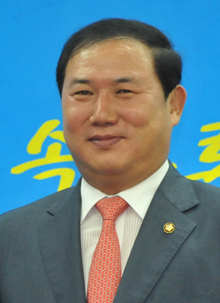
Rep. Park Bo-hwan (Hwaseong District B, Grand National Party) of the National Assembly's Committee on Education, Science and Technology analyzed data submitted by the Ministry of Education, Science and Technology on "current status of schools without fences and harmful facilities in school protection zones." The analysis revealed that nationally, there are 1,188 elementary schools without fences and 12,460 entertainment establishments and clubs operating within school protection zones, exposing children to serious dangers both inside and outside schools.
According to Rep. Park, as of August 2010, 1,188 out of 5,829 elementary schools nationwide lack school fences, representing over 20 percent of all elementary schools.
By region, North Jeolla had the most with 168 schools, followed by Gyeonggi Province (161), South Jeolla (140), and South Chungcheong (135). The number of elementary school students attending schools without fences reached 789,821.
Despite the frequent entry of outsiders into these fenceless schools, CCTV cameras capable of monitoring external entry areas, playgrounds, and school safety-vulnerable zones average only 5.24 units per school, revealing major gaps in campus crime prevention.
Particularly concerning, 273 schools have no CCTV cameras whatsoever monitoring external areas such as outsider entry zones, playgrounds, and safety-vulnerable zones within campus. In fact, six cases of sexual assault within schools by outsiders, including the so-called "Kim Su-chul incident," occurred within the past two years.
Rep. Park Bo-hwan also pointed out that school protection zones adjacent to school fences and gates face similar serious problems.
While youth-harmful businesses within school protection zones have decreased slightly each year, 44,899 such establishments still operate, rendering protection zones ineffective. Particularly in Busan, Gwangju, North Chungcheong, and North Gyeongsang Province, the number of harmful businesses has continued to increase over the past three years.
By business type, entertainment establishments and clubs led with 12,460 facilities (27.8%), followed by karaoke rooms with 9,787 (21.8%), billiard halls with 7,503 (16.7%), accommodations such as hotels and inns with 7,045 (15.7%), and PC bangs and game rooms with 4,072 (9.1%).
By regional education office, Seoul Metropolitan Office of Education's Central District (Jongno-gu, Jung-gu, Yongsan-gu) had the most with 1,614 establishments, followed by Seoul Western, Seoul Southern, Changwon, Seoul Eastern, and Seoul Northern education offices. Suwon Office of Education had 855 harmful facilities, ranking 12th nationally.
Notably, 93 of these establishments have exceeded their operational period due to lax oversight by education authorities and administrative agencies, while 119 illegally-installed businesses continue to operate, Rep. Park revealed.
These facilities should not be installed near schools or should undergo review by school environment sanitation committees, yet they operate illegally, causing serious disruptions to students' learning and school health and sanitation.
"Our children are exposed without any protection to various dangers and harmful facilities both inside and outside schools, making it urgent to develop countermeasures," Rep. Park stated.
Rep. Park further emphasized, "We must not only implement crime prevention measures for schools that are wide open without fences, but also undertake major cleanup of the surrounding protection zones full of harmful facilities to create a student-friendly educational environment."
Loading comments…