Suwon Embraces 460,000 Teenagers and Young Adults…National First Integrated Foundation Takes Center StageEncouraging New Challenges at Every Crossroads of Life…Connecting Information, People, and SpaceFrom an Institution Found Only in Crisis to an Everyday Space to Discover Talents and PassionsJong-jin Choi, President of Suwon Youth Foundation (Kim Ki-soo, Reporter)Suwon belongs to the youngest cities in the nation. The teenage and young adult population is the largest among all basic local governments nationwide. Based on population statistics by age from the Ministry of the Interior and Safety, as of July, Suwon's population aged 9 to 39 reached approximately 460,000. This accounts for 39.4% of the total population. One out of every four Suwon residents is a teenager or young adult. In terms of population ratio, it competes with Hwaseong-si at the national highest level of 40.4%.Suwon is, quite literally, a "city that embraces future generations."However, having many future generations does not guarantee a city's future. Teenagers must discover their potential both inside and outside school, and after becoming young adults, they must navigate issues of employment, housing, and relationships to stand as members of society. Responding to new risks that previous generations never experienced—such as isolation and withdrawal, cyber gambling, drug use, and deepfakes—has become a challenge as well.At the forefront of responding to these changes stands the "Suwon Youth Foundation."It is the nation's first youth foundation that encompasses both teenagers and young adults in a single organization. We met with President Jong-jin Choi to examine the changing lives of teenagers and young adults and the foundation's response to these changes.The biggest change President Choi perceives in the field is that teenagers and young adults no longer follow one predetermined path.Teenagers seek to discover their potential in various fields—from cultural arts, media, and sports to environment and entrepreneurship, beyond grades and school admissions. Interest has grown not only in participating in provided programs but also in directly sharing opinions, planning, and creating results themselves. Young adults, too, have become more focused on finding careers and lifestyles suited to their own values and ways of life rather than pursuing a single standard of success.President Choi stated, "As the criteria for choices have become more diverse than in the past, policies must move away from uniform support and provide opportunities and experiences tailored to each individual's interests and circumstances."The foundation is adapting its support methods to reflect these changes. What matters most is understanding what teenagers and young adults actually want before expanding the number of programs.To this end, one of the key contact points the foundation uses is the "Suwon Youth Portal," which has approximately 30,000 members. It allows young adults to find policies they need—from jobs, housing, education, and welfare to culture—all in one place, while also serving as a channel for sustained contact with young adults. Through youth spaces such as "Youth Baram-jidae" and "Cheong-nuri," the foundation connects counseling, job preparation, capacity building, and cultural and leisure programs.SNS, online communities, and parenting forums where teenagers, young adults, and parents actually exchange information are also key contact points. New interests and needs identified in these spaces are reflected in programs. This moves away from unilaterally providing projects deemed necessary by service providers and instead rapidly reflects changes and trends in the field into policies.Jong-jin Choi, President of Suwon Youth Foundation (Kim Ki-soo, Reporter)President Choi found the foundation's role in "connection." He explained, "An important role of the foundation is connecting teenagers and young adults with the information, people, and space they need. The force that keeps adults in Suwon is the experience of finding opportunities in Suwon and meeting people to walk alongside."Actively utilizing external expertise and resources to broaden the scope of support is also a strength of the foundation.Young adults' challenges do not clearly divide into employment, mental health, or housing alone. Prolonged job search failures can lead to loss of confidence and severed relationships, and economic difficulties and housing instability can intensify isolation.Therefore, the foundation places emphasis on connecting existing support systems—Suwon City, Suwon Job Center, and local welfare and counseling institutions. If the central government and Suwon City establish the broad framework of systems and policies, the foundation becomes the contact point that directly meets young adults in the field and connects them with necessary projects and institutions.President Choi said, "The foundation plays a role in directly meeting young adults in the local community, guiding them to necessary services, and continuously supporting their participation and change. We are working to create synergy effects by connecting necessary policies and professional institutions for employment, welfare, mental health, housing, and finance."The transition from teenagers to young adulthood requires even more careful support. Just because a teenager becomes an adult does not mean that the support they received previously becomes unnecessary overnight. Rather, as they leave school and enter society, they face new challenges in career path, employment, finance, and housing. Notably, ages 19 to 24 often feel uncomfortable using existing teen programs, and many lack the readiness to immediately enter young adult policies focused on employment, entrepreneurship, and housing.The foundation is expanding "preparatory young adult transition education" for these individuals, covering labor laws, financial literacy, and prevention of jeonse fraud.President Choi emphasized, "The meaning of supporting teenagers and young adults in one organization is not in merging institutions but in eliminating gaps in support. Growth support during teenage years will naturally continue into self-sufficiency support during young adulthood."The foundation also creates connections for out-of-school teenagers.Among out-of-school teenagers supported by the foundation last year, 191 passed the high school equivalency exam. This year alone, 114 passed in the first testing period. Results from the second test will be announced next month.The foundation supports high school equivalency exam success through one-on-one tutoring in weak subjects, special lectures, and EBS online lectures and materials. After passing, the foundation continues support through university entrance information sessions and one-on-one admission counseling. It provides support so that the growth journey continues from exam preparation through passing to subsequent enrollment and career planning.Jong-jin Choi, President of Suwon Youth Foundation (Kim Ki-soo, Reporter)Recently, how to identify teenagers and young adults who do not come to institutions at all has become an important task.Isolated and withdrawn young adults the foundation met in the field spoke of difficulties centered on interpersonal relationships and employment issues. However, the deeper the isolation, the more difficult it becomes for them to seek institutions and request help on their own.The foundation is lowering barriers to support through non-face-to-face daily recovery programs and one-on-one counseling, while also strengthening connections with local institutions such as mental health and welfare centers."Jump Friends," based on generative AI, is also a new pathway. Through 24-hour AI empathy conversations, teenagers and young adults for whom contact with others is burdensome can open their hearts first, then be connected to professional counseling and offline support.President Choi said, "AI cannot replace professional counseling, but for teenagers and young adults who struggle to connect with anyone, it can be the first pathway to opening one's heart. I want the small connection that begins with AI to lead to professional counseling and relationship recovery, and ultimately help them come out into society on their own and build their own lives."Ultimately, the goal is not simply to increase program participation numbers.The process in which an isolated young adult leaves home, forms relationships with others, and begins to participate in education or job seeking itself is change. The foundation believes we must not only look at whether employment occurred but also whether job-seeking motivation and confidence have been restored, whether career goals were set, whether they began participating in education and training, and whether they continue stable employment after getting a job.President Choi stated, "Employment is an important indicator, but young adults' change begins before that stage. The foundation's role is to support young adults in beginning their job search at a pace suited to their circumstances and to maintain stable self-sufficiency even after employment."The ultimate goal is self-sufficiency. The foundation's support is directed toward creating the foundation through which young people can recover relationships and sociability and build their own lives independently.Risks surrounding teenagers have now infiltrated "within smartphones" as well.New risks such as cyber gambling, deepfakes, online violence, and drug access through online channels spread quickly and are difficult to detect in one's surroundings.President Choi emphasized, "Youth protection policies must now clearly shift their focus from post-incident counseling to prevention and early detection. Rather than completely cutting off digital access, we must help them regulate themselves, exercise discernment, block risks, and request help."The foundation operates a four-stage system: preventive education, early detection and intervention, post-management, and connection to community safety networks. The key is creating a structure in which schools, families, police, and professional institutions, when they detect small warning signs, connect them to counseling and support rather than punishment and stigma.Jong-jin Choi, President of Suwon Youth Foundation (Kim Ki-soo, Reporter)Teenagers are not merely subjects of protection.Of the three policies proposed to Suwon City by the foundation's Youth Participation Committee last year, two were partially adopted: institutionalizing youth AI ethics education and establishing a digital language safety network. Teenagers, as stakeholders in the digital environment, are proposing solutions as policies, going beyond identifying problems.The foundation is transforming into a space where teenagers and young adults can comfortably visit without any special purpose. This includes meeting friends, discovering new hobbies and talents, and taking on activities they have never tried before without hesitation. Performance is also measured not simply by program participation numbers but by actual changes such as repeat visits, discovery of new interests, and formation of peer relationships.President Choi said, "I want to make this a place where all teenagers and young adults come to discover their talents and passions. I want to transform this from an institution that is visited only when there is a special need into a place where anyone comfortably comes to discover their own talents and passions."The foundation cannot directly solve all problems for the 460,000 future generation members in Suwon.Instead, it first seeks out teenagers and young adults in need of support, connects them with local employment, welfare, and counseling institutions, and translates the voices from the field into policies and projects. Creating an environment where teenagers and young adults can continue to find their own path at every crossroads of life—from school admissions and employment to relationships and self-sufficiency—without giving up. That is the foundation's role.The direction the foundation aims for is also reflected in what President Choi most wants to hear from teenagers and young adults."What will we do at the foundation this weekend?"
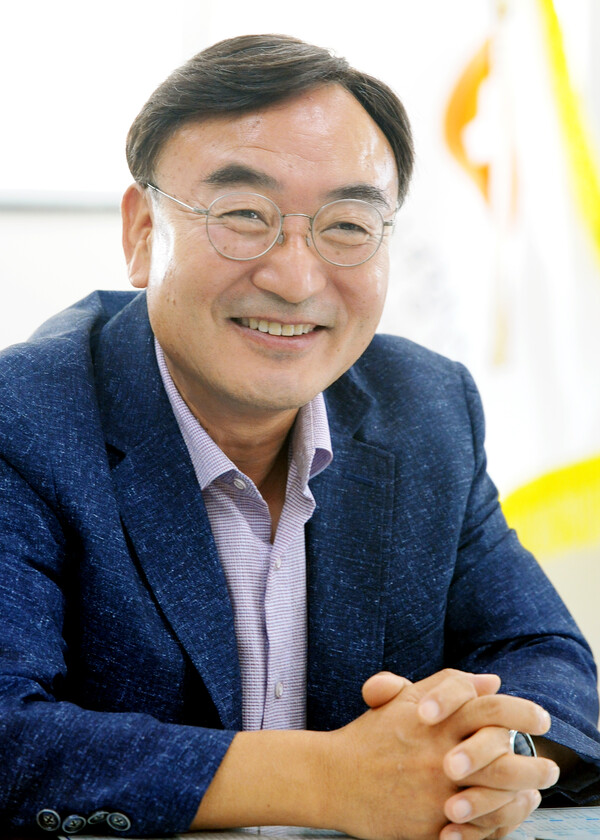
최종진 수원시청소년청년재단 이사장 (김기수 기자)
수원은 전국에서 가장 젊은 도시에 속한다. 청소년·청년 인구는 전국 기초자치단체 가운데 가장 많다. 행정안전부 연령별 인구현황을 기준으로 지난 7월 수원의 9~39세 인구는 46만여 명. 전체 인구의 39.4%에 달한다. 수원시민 10명 가운데 4명이 청소년·청년이다. 인구 대비 비율에서도 화성시(40.4%)와 전국 최고 수준을 다툰다.
수원은 말 그대로 ‘미래세대를 품은 도시’다.
그러나 미래세대가 많다는 것만으로 도시의 미래가 보장되는 것은 아니다. 청소년이 학교 안팎에서 자신의 가능성을 발견하고, 청년이 된 뒤에도 일자리와 주거, 관계의 문제를 헤쳐 나가며 사회의 구성원으로 설 수 있어야 한다. 고립·은둔과 사이버도박, 마약, 딥페이크처럼 이전 세대가 경험하지 못했던 새로운 위험에 대응하는 것도 과제가 됐다.
이 같은 변화에 대응하는 현장에 ‘수원시청소년청년재단’이 있다.
청소년과 청년을 한 조직에서 아우르는 전국 최초의 청소년청년재단이다. 최종진 이사장을 만나 변화하고 있는 청소년·청년의 삶과 이에 대응하는 재단의 역할을 들여다봤다.
최 이사장이 현장에서 체감하는 가장 큰 변화는 청소년과 청년이 더 이상 정해진 하나의 경로를 따르지 않는다는 것이다.
청소년은 성적과 진학을 넘어 문화예술과 미디어, 스포츠, 환경, 창업 등 다양한 분야에서 자신의 가능성을 찾으려 한다. 주어진 프로그램에 참여하는 데 그치지 않고 직접 의견을 내고 기획해 결과물을 만드는 활동에 대한 관심도 커졌다. 청년 역시 하나의 성공 기준보다는 자신의 가치관과 생활 방식에 맞는 진로와 삶을 찾는 데 관심이 높아졌다.
최 이사장은 “과거보다 선택의 기준이 다양해진 만큼 정책도 획일적인 지원에서 벗어나 각자의 관심과 상황에 맞는 기회와 경험을 제공해야 한다”고 말했다.
재단도 이런 변화에 맞춰 지원 방식을 바꾸고 있다. 중요한 것은 프로그램의 수를 늘리는 것보다 청소년·청년이 실제로 무엇을 원하는지 먼저 파악하는 것이다.
이를 위해 재단이 활용하는 주요 접점 가운데 하나가 3만여 명의 회원을 보유한 ‘수원청년포털’이다. 청년들이 일자리·주거·교육·복지·문화 등 자신에게 필요한 정책을 한곳에서 찾도록 하는 동시에 청년들과 지속적으로 접촉할 수 있는 창구로 활용하고 있다. 청년공간인 ‘청년바람지대’와 ‘청누리’ 등을 통해서도 상담과 취업 준비, 역량 강화, 문화·여가와 교류 프로그램을 연결하고 있다.
SNS와 온라인 커뮤니티, 맘카페 등 실제 청소년·청년과 부모들이 정보를 주고받는 공간도 주요한 접점이다. 이곳에서 새로운 관심사와 수요를 읽어내 프로그램에 반영한다. 공급자가 필요하다고 판단한 사업을 일방적으로 제공하는 데서 벗어나 현장의 변화와 트렌드를 빠르게 정책에 반영하기 위해서다.
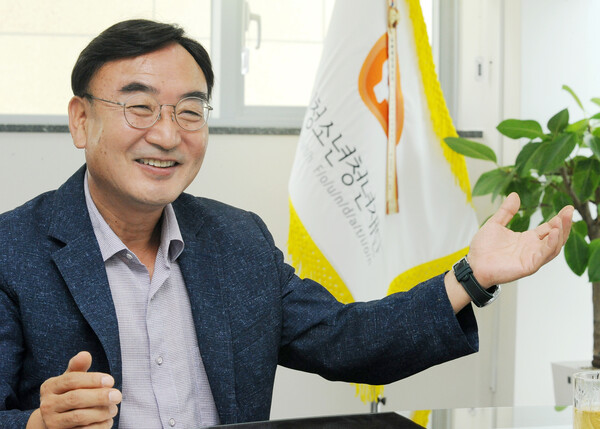
최종진 수원시청소년청년재단 이사장 (김기수 기자)
최 이사장은 재단의 역할을 ‘연결’에서 찾았다. 그는 “청소년·청년이 필요한 정보와 사람, 공간을 연결하는 것이 재단의 중요한 역할”이라며 “성인이 되어서도 수원에 머물게 하는 힘은 수원에서 기회를 찾을 수 있고 함께할 사람을 만날 수 있다는 경험”이라고 설명했다.
외부의 전문성과 자원을 적극 활용해 지원의 폭을 넓히는 것도 재단의 강점이다.
청년의 어려움은 취업이나 심리, 주거 가운데 어느 하나로 명확하게 나뉘지 않는다. 장기간 취업에 실패하면서 자신감을 잃고 인간관계가 단절될 수 있고, 경제적 어려움과 주거 불안이 다시 고립을 심화시키기도 한다.
때문에 재단은 수원시와 수원일자리센터, 지역 복지·상담기관 등 기존 지원체계를 연결하는 역할에도 무게를 둔다. 중앙정부와 수원시가 제도와 정책의 큰 틀을 만든다면, 재단은 현장에서 청년을 직접 만나 필요한 사업과 기관으로 연결하는 접점이 되는 구조다.
최 이사장은 “재단은 지역 현장에서 청년을 직접 만나 필요한 서비스를 안내하고 참여와 변화를 지속적으로 지원하는 역할을 한다”며 “일자리·복지·심리·주거·금융 등 필요한 정책과 전문기관을 연결하여 시너지효과를 내려고 노력하고 있다”고 말했다.
청소년에서 청년으로 넘어가는 시기는 오히려 더 세심한 지원이 필요한 때다. 청소년이 성인이 된다고 해서 그동안 받던 지원이 하루아침에 불필요해지는 것은 아니다. 오히려 학교를 벗어나 사회로 나아가는 과정에서 진로와 취업, 금융, 주거 등 새롭게 마주해야 할 문제가 늘어난다. 특히 19~24세는 기존 청소년 프로그램을 이용하기에는 어색하고, 곧바로 취업·창업과 주거 중심의 청년정책에 진입하기에는 준비가 부족한 경우가 적지 않다.
재단은 이들을 위해 노동법과 금융상식, 전세사기 예방 등 ‘예비 청년 전환기 교육’을 확대하고 있다.
최 이사장은 “청소년과 청년을 한 조직에서 지원하는 의미는 기관을 합친 데 있는 것이 아니라 지원의 끊김을 없애는 데 있다”며 “청소년기의 성장 지원이 청년기의 자립 지원으로 자연스럽게 이어지도록 하겠다”고 강조했다.
학교라는 울타리를 먼저 벗어난 청소년에게도 연결고리를 만든다.
지난해 재단의 지원을 받은 학교 밖 청소년 가운데 검정고시에 합격한 인원은 191명이다. 올해도 1회 시험에서만 114명이 합격했다. 2회 시험 결과는 다음 달 발표된다.
재단은 취약과목 1대1 학습 멘토링과 특강, EBS 온라인 강의·교재 등을 지원해 검정고시 합격을 돕는다. 합격 이후에는 대학 입시설명회와 1대1 진학컨설팅으로 지원을 이어간다. 시험 준비부터 합격, 이후 진학과 진로까지 성장 과정이 이어지도록 지원한다.
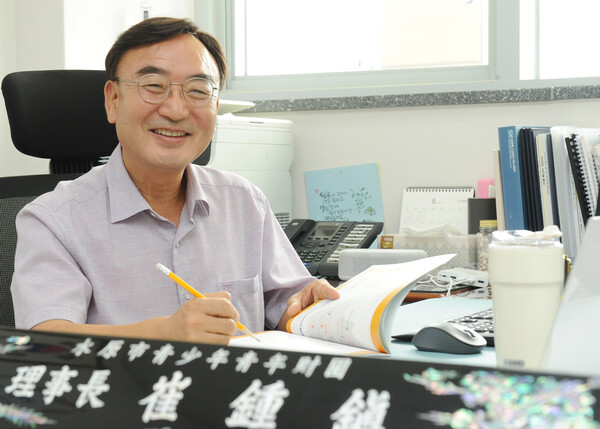
최종진 수원시청소년청년재단 이사장 (김기수 기자)
최근에는 아예 기관을 찾아오지 않는 청소년과 청년을 어떻게 발견할 것인가도 중요한 과제가 됐다.
재단이 현장에서 만난 고립·은둔 청년들이 호소하는 어려움의 중심에는 대인관계와 취업 문제가 있었다. 하지만 고립이 깊어질수록 스스로 기관을 찾아 도움을 요청하기는 더 어렵다.
재단은 비대면 일상회복 프로그램과 1대1 상담 등을 통해 지원의 진입장벽을 낮추고 정신건강복지센터와 복지기관 등 지역 기관과의 연계도 강화하고 있다.
생성형 AI 기반 ‘점프프렌즈’도 새로운 통로다. 24시간 이용할 수 있는 AI 공감대화를 통해 사람과의 접촉 자체가 부담스러운 청소년·청년이 먼저 마음을 열도록 하고 이후 전문상담과 오프라인 지원으로 연결한다.
최 이사장은 “AI가 전문상담을 대신할 수는 없지만, 누구와도 연결되기 어려운 청소년과 청년에게는 마음을 여는 첫 번째 통로가 될 수 있다”며 “AI에서 시작된 작은 연결이 전문상담과 관계 회복으로 이어지고, 궁극적으로는 스스로 사회에 나와 자신의 삶을 꾸려갈 수 있도록 돕고 싶다”고 말했다.
결국 목표는 단순히 프로그램 참여자를 늘리는 데 있지 않다.
고립된 청년이 집 밖으로 나오고 다른 사람과 관계를 맺으며 다시 교육이나 구직활동에 참여하는 과정 자체가 변화다. 취업 여부뿐 아니라 구직 의욕과 자신감을 회복했는지, 진로 목표를 세웠는지, 교육과 훈련에 참여하기 시작했는지, 취업 이후 안정적으로 직장생활을 이어가는지까지 살펴야 한다는 게 재단의 판단이다.
최 이사장은 “취업은 중요한 지표이지만 청년의 변화는 그 이전 단계부터 시작된다”며 “청년이 자신의 상황에 맞는 속도로 구직을 시작하고 취업 이후에도 안정적으로 자립하도록 지원하는 것이 재단의 역할”이라고 말했다.
궁극적인 목표는 자립이다. 관계와 사회성을 회복하고 스스로 자신의 삶을 꾸려갈 수 있도록 그 기반을 만드는 데 재단의 지원이 향하고 있다.
청소년을 둘러싼 위험이 ‘스마트폰 안’까지 파고든 것도 새로운 과제다
사이버도박과 딥페이크, 온라인 폭력은 물론 온라인을 통한 마약 접근 등 새로운 위험은 확산 속도가 빠르고 주변에서 발견하기도 어렵다.
최 이사장은 “청소년 보호정책은 이제 사후 상담 중심에서 예방과 조기 발견 중심으로 확실히 무게중심을 옮겨야 한다”며 “디지털을 무조건 끊게 하는 것이 아니라 스스로 조절하고 분별하며 위험을 차단하고 도움을 요청할 수 있도록 해야 한다”고 강조했다.
재단은 예방교육부터 조기 발견과 개입, 사후관리, 지역 안전망 연계까지 4단계 체계를 운영하고 있다. 학교와 가정, 경찰, 전문기관 등이 작은 위험 신호를 발견했을 때 처벌과 낙인이 아니라 상담과 지원으로 연결하는 구조를 만드는 것이 핵심이다.
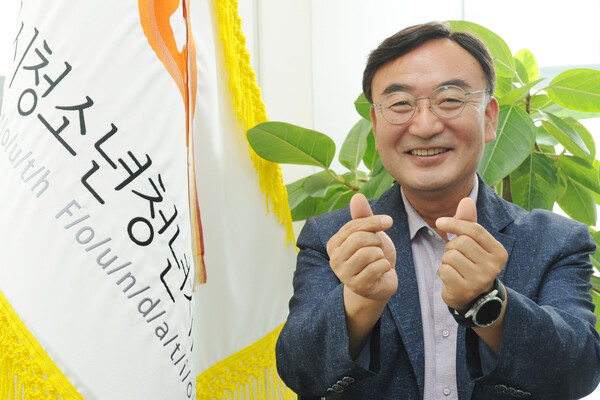
최종진 수원시청소년청년재단 이사장 (김기수 기자)
청소년도 보호받는 대상에만 머물지 않는다.
지난해 재단 청소년참여위원회가 수원시에 제안한 정책 3건 가운데 2건이 일부 수용됐다. 청소년 AI 윤리교육 제도화와 디지털 언어 안전망 구축이다. 디지털 환경의 당사자인 청소년이 문제를 발견하는 것을 넘어 해결책을 직접 정책으로 제안하고 있는 것이다.
재단은 청소년과 청년이 특별한 목적 없이도 편하게 찾을 수 있는 공간으로 변화를 꾀하고 있다. 친구를 만나고 새로운 취미와 재능을 발견하며, 평소 해보지 못했던 활동에도 부담 없이 도전할 수 있도록 하는 것이다. 성과 역시 단순한 프로그램 참여 인원보다는 재방문 여부와 새로운 관심사의 발견, 또래 관계 형성 등 실제 변화에 무게를 둔다.
최 이사장은 “청소년과 청년 누구나 재능과 재미를 찾으러 오는 곳으로 만들고 싶다”며 “특별한 일이 있을 때만 찾는 기관이 아니라 누구나 편하게 찾아와 자신만의 재능과 재미를 발견하는 곳으로 만들겠다”고 말했다.
미래세대 46만 명을 품은 수원에서 재단이 모든 문제를 직접 해결할 수는 없다.
대신 지원이 필요한 청소년·청년을 먼저 찾아가고, 지역의 일자리·복지·상담기관과 연결하며, 현장의 목소리에서 새로운 수요를 읽어 정책과 사업으로 이어간다. 청소년과 청년이 진학과 취업, 관계와 자립 등 삶의 기로마다 포기하지 않고 자신의 길을 계속 찾아갈 수 있는 환경을 만드는 것. 그것이 재단의 역할이다.



Loading comments…