


Yongin Mayor Lee Sang-il Requests Minister Jo Gyu-hong to Improve Treatment of Long-Term Care Workers

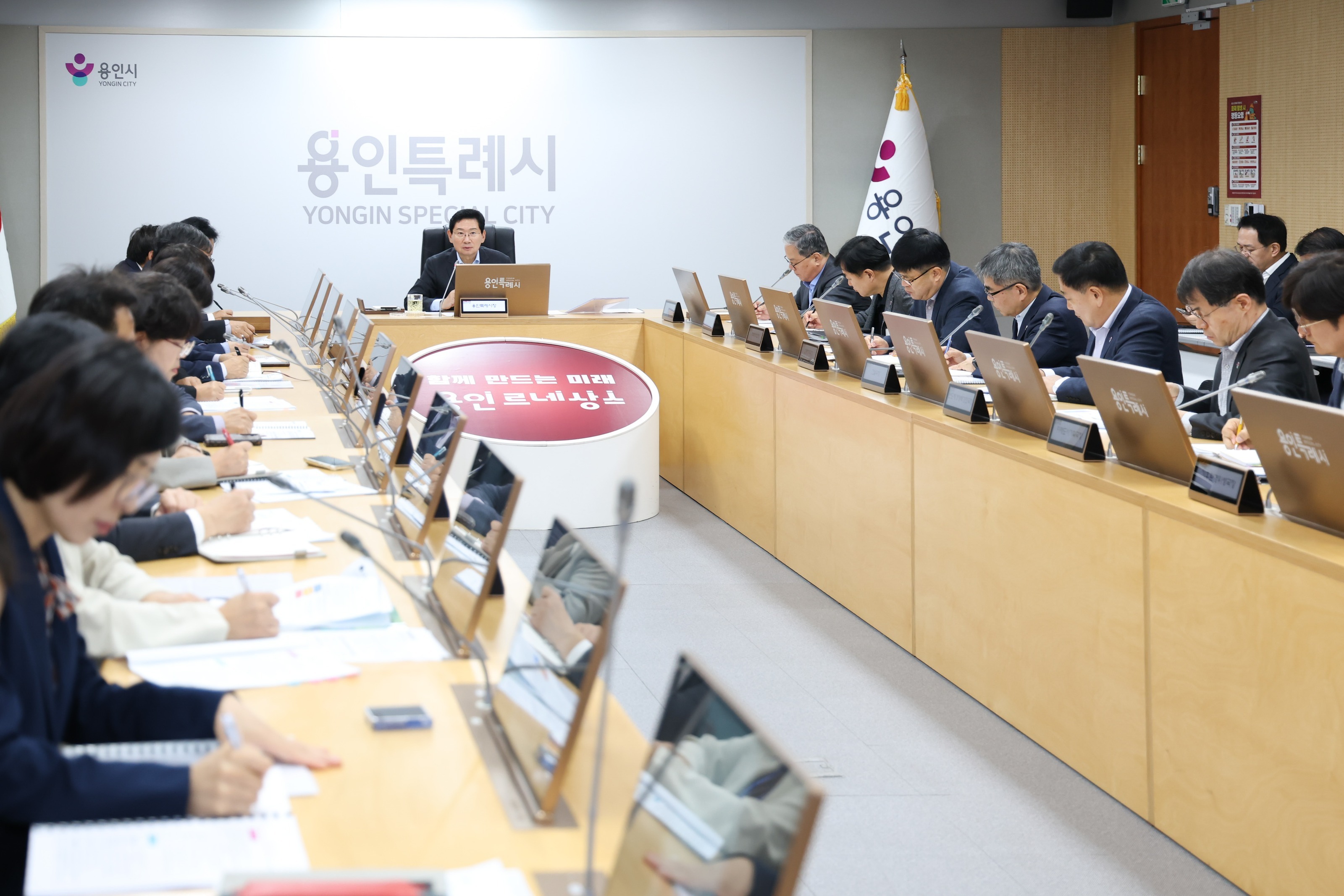
[Suwon Ilbo=Reporter Choi Ki-ho] Yongin Mayor Lee Sang-il met with Minister Jo Gyu-hong of the Ministry of Health and Welfare on the 11th and requested that the ministry consider ‘expanding support for long-service incentives’ to improve the low wages and treatment conditions of long-term care workers.
Mayor Lee, who last year pointed out the irrationality of admission eligibility standards for elderly welfare housing and secured amendments to the 'Elderly Welfare Act' through government legislation after requesting relaxed standards, told Minister Jo that expanded long-service incentive support is necessary to prevent turnover and retirement of skilled long-term care workers.
Mayor Lee stated, "Approximately 600,000 long-term care workers are employed nationwide, with about 11,500 in Yongin, but due to low wages, turnover and retirement rates are high, leading to increased attrition of skilled workers." He added, "I hope the Ministry of Health and Welfare, which swiftly implemented improvements following our proposal regarding amendments to the Elderly Welfare Act related to elderly welfare housing, will carefully review our opinions for improving the treatment of long-term care workers."
Minister Jo responded, "I will review the content proposed by the mayor and examine ways to improve treatment for welfare service workers including long-term care workers, and work to raise welfare standards for vulnerable populations."
Through the proposal, Mayor Lee requested that the long-service incentives for long-term care workers be expanded and provided detailed data analyzing the status of care facilities and workers nationwide as well as budgets needed for treatment improvements.
Mayor Lee proposed increasing long-service incentives to 100,000 won from the current 60,000 won for those working three years or more, 120,000 won from 80,000 won for five years or more, and 150,000 won from 100,000 won for seven years or more.
If the expansion of long-service incentives proposed by Mayor Lee is implemented, an estimated 104.4 billion won in funding would be required, with an additional burden of approximately 38 billion won compared to current levels.
The number of those certified as eligible for long-term care has increased significantly. In Yongin City, the number of those certified for long-term care services increased nearly threefold from 6,306 in 2012 to 17,004 in 2022.
While demand for long-term care is increasing, the average salary of long-term care workers in Gyeonggi Province in 2022 was 1.714 million won, lower than the median income for single-person households (1.944 million won as of 2022).
According to Yongin City, the Gyeonggi Welfare Foundation's 2022 survey on long-term care workers in Gyeonggi Province showed that 95.7% of long-term care workers earned basic salaries below 2 million won and 4.3% earned between 2 million and 2.5 million won. Among surveyed workers, zero percent earned basic salaries exceeding 2.5 million won.
Mayor Lee stated, "To provide better services more stably to long-term care recipients, we need many skilled workers." He added, "To prevent qualitative deterioration of long-term care services, I hope the Ministry of Health and Welfare will carefully review the contents of the proposal and establish policies reflecting Yongin City's suggestions."
Loading comments…