


Suwon City Develops Public Data for Child Protection Zones
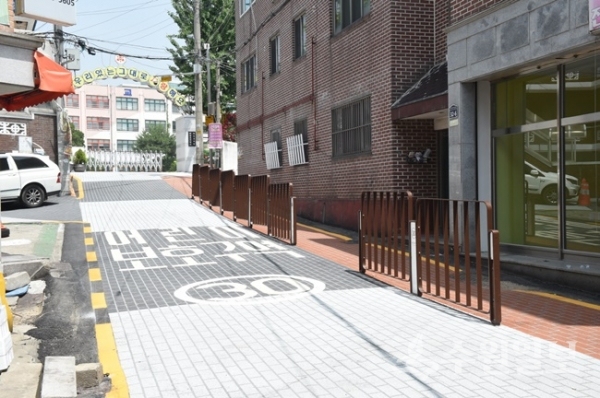
[Suwon Ilbo=Reporter Jung Jun-sung] Suwon City is pursuing a project to build data for more intelligent management of child protection zones and facilities within the region and to open this data for private sector utilization.
The city announced on the 26th that its project for "Field Survey of Traffic Safety Facilities in Child Protection Zones and Open API Construction" was selected from the Ministry of Interior and Safety's "2021 Data Enterprise Matching Support Project" call for proposals.
Accordingly, the city will receive 200 million won in government funding to identify the current status of facilities installed in 198 child protection zones in the region and construct data through on-site surveys, with plans to open this to the private sector in early next year.
The city will first collect information including location data, safety facilities, crosswalks, and pedestrian traffic for 198 child protection zones in the city, and create spatial information to build public data.
This data provides information that can be more conveniently utilized for proactive traffic safety. In other words, citizens can use map services that utilize spatial information of traffic accident-prone and safety-vulnerable areas, and Suwon City can also utilize this data when establishing policies to prevent traffic accidents within child protection zones.
Additionally, the city plans to register child protection zone public data in Suwon City's big data platform and public data portal, making this data publicly available so that the private sector can also diversely utilize related information such as pedestrian traffic within protection zones.
In particular, the city plans to coordinate this data construction project with a youth intern program that will deploy 30 young interns for field visits and other tasks, thereby creating job creation effects.
An official from the city's Smart City Division stated, "We will contribute to building a safer and more convenient smart city by constructing and processing data closely related to citizens' daily lives, such as traffic safety facilities in child protection zones, as high-quality data and opening it to the private sector."
Loading comments…