


Gyeonggi Province Uncovers 47 Apartment Complexes with Improper Management Including Non-Competitive Contract Selection of Service Providers
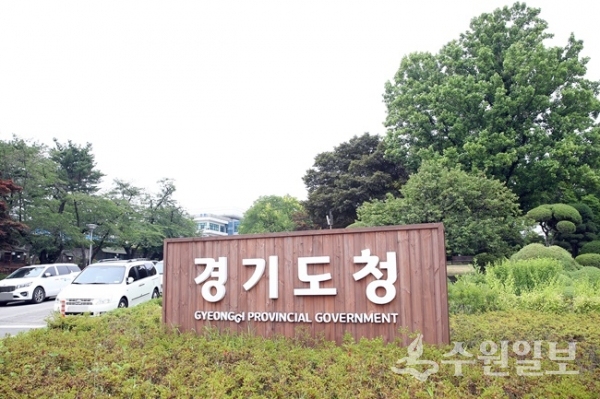
[Suwon Ilbo=Reporter Park No-hun] Management entities (management offices) and resident representative councils of apartment complexes that caused losses to residents through improper management—such as selecting service providers for multi-family housing through non-competitive direct contracts rather than competitive bidding—have been discovered in large numbers by Gyeonggi Province audits.
Gyeonggi Province announced on the 16th that it conducted audits of 47 mandatory management multi-family housing complexes (those with 300 or more households; 150 or more households with elevators or central heating systems, etc.) within the province during the first half of this year, uncovering a total of 329 cases of improper management and taking action through prosecution and investigation requests (5 cases), administrative fines (131 cases), corrective orders (74 cases), and administrative guidance (119 cases).
Of the 47 complexes, 4 underwent civil complaint audits based on audit requests from residents and others, while 43 underwent planned audits. With a focus on the appropriateness of the selection of housing management operators and service providers at recently built apartments (2017-2018), Gyeonggi Province audited 6 complexes and city and county authorities audited 37 complexes.
Major violations uncovered included improper review and adjustment of long-term maintenance plans and improper accumulation of long-term maintenance reserve funds, as well as improper selection and contracting of housing management operators and service providers.
In one case, a management entity of apartment complex B in City A executed long-term maintenance project costs from management fees rather than from long-term maintenance reserve funds as required, and was cited for improper use of management fees.
In another case, a management entity of apartment complex D in City C violated current law by entering into non-competitive direct contracts with service providers rather than selecting contractors through competitive bidding. A management entity of apartment complex F in City E was cited for failing to request contract performance bonds and proof of enrollment in the four major insurance programs when entering into contracts for security services.
All of these apartments in violation of the Multi-Family Housing Management Act were assessed administrative fines of several million won.
Meanwhile, Gyeonggi Province identified policy improvements for multi-family housing management through the audit process and made recommendations to the Ministry of Land, Infrastructure and Transport.
First, the province pointed out that the miscellaneous revenue category in the multi-family housing management information system is not classified, making it impossible to verify details of revenues and expenditures, and requested that it be subdivided into 25 items.
In addition, the province recommended adding a minimum reserve fund requirement to the current system, which allows each complex to independently determine long-term maintenance reserve fund levels. This is necessary because some complexes that set the reserve fund too low face safety risks due to the lack of maintenance and reinforcement of common areas of multi-family housing.
Hong Ji-seon, Director of the Urban Housing Division of Gyeonggi Province, stated, "Through ongoing audits of apartment complex fraud disputes, we will create transparent and efficient multi-family housing management conditions," adding, "We will create case study collections and distribute them to mandatory management multi-family housing complexes to strengthen management and oversight to prevent similar cases from occurring, and will actively request policy improvements from the central government on matters requiring institutional reform."


Loading comments…