


Choo Mi-ae Proposes "Integrated Housing Supply with Industry, Jobs, and Transportation" to Transport Minister Hong Ji-sun
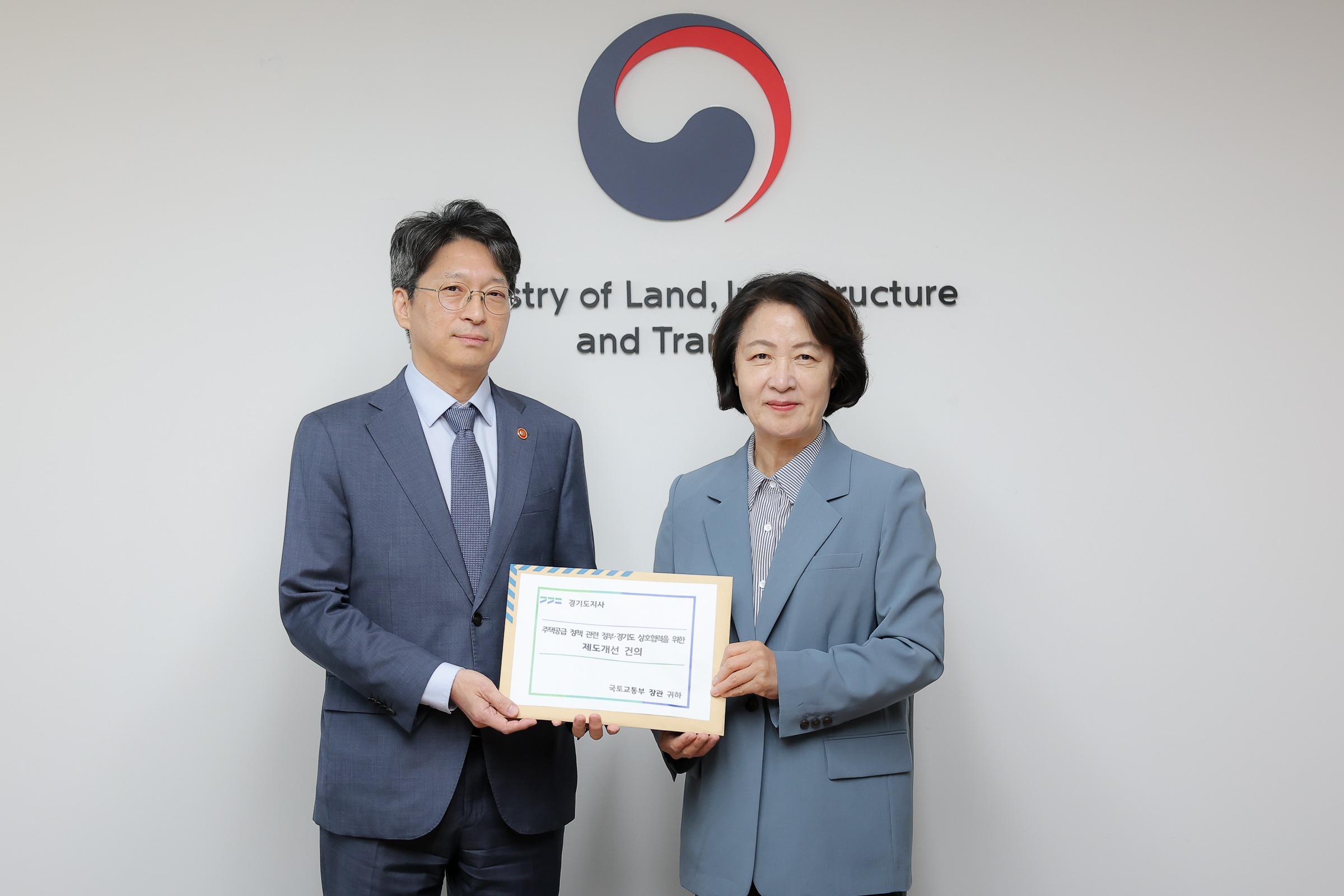
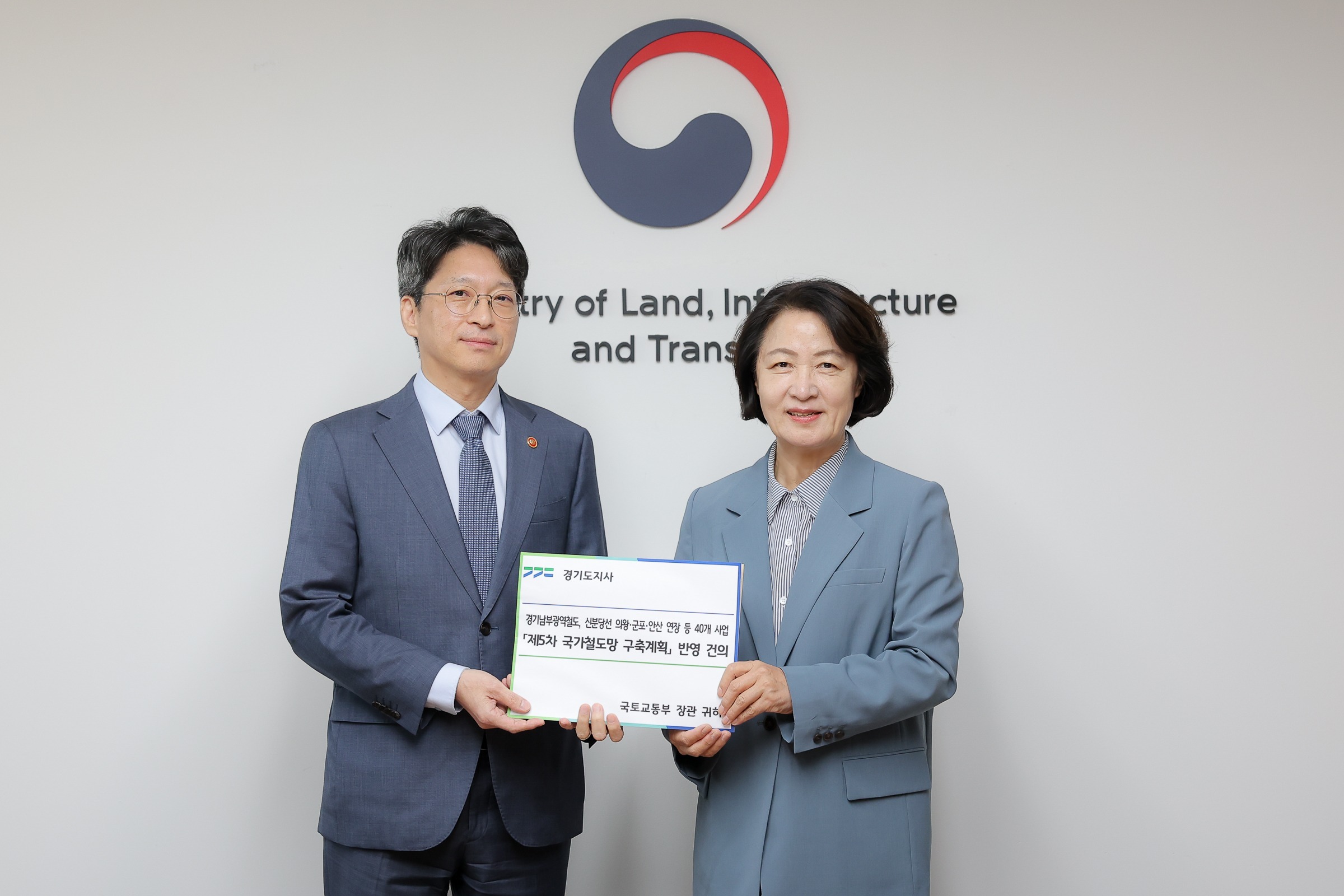
Gyeonggi Province Governor Choo Mi-ae met with Transport Minister Hong Ji-sun on the 2nd to propose a 'Gyeonggi Province-style housing supply strategy' that designs both regional industry and jobs together with housing. Moving beyond the existing approach centered on supply volume, the strategy calls for creating both housing and self-sufficient functions while reflecting Gyeonggi Province's regional characteristics including industry, jobs, and transportation.
Governor Choo noted in the meeting at the National Land Development Exhibition Hall in Seoul that since the center of gravity of metropolitan industry is shifting toward Gyeonggi Province, the changed industrial and job structures should be reflected in both housing supply and urban planning.
Governor Choo stated, "Since Gyeonggi Province surrounds Seoul, when Seoul housing prices rise significantly and supply measures are implemented, Gyeonggi Province ends up shouldering the burden of new land supply. As a result, while Gyeonggi Province must pursue urban planning policies with its own city vision and improving residents' quality of life, it ends up only following the government's supply volume targets. There is no room to develop Gyeonggi Province's urban planning vision."
Governor Choo said, "Jobs are in Seoul and housing is in Gyeonggi Province. Since jobs and residences are separated, this intensifies transportation demand and transportation measures cannot keep up. I hope these separate policies can be discussed together and connected. I propose four Gyeonggi Province-specialized strategies: industry-linked type connecting K-semiconductor industrial hubs with housing; R&D+campus type linking universities, enterprises, and research facilities; self-sufficient new city type with jobs, housing, and living infrastructure; and transit-oriented complex development type making transportation hubs into new city centers."
She added, "Gyeonggi Province has already positioned itself as a core hub of Korean industry and future advanced industries. There is a need to design cities connecting K-semiconductor industrial hubs with housing and plan youth job policies together with youth housing policies. Gyeonggi Province has many good locations for such planning. I hope you will support the necessary authority and systems so that Gyeonggi Province can take the lead in housing supply with a city vision suited to local characteristics, and provide continuous support through ongoing communication."
Minister Hong Ji-sun responded, "Since I have been in Gyeonggi Province for nearly 30 years, I understand well what you are saying. I believe that Gyeonggi Province's own jobs and self-sufficient facilities are naturally important. We will establish a practical consultation body together, and as Gyeonggi Province continues to voice what it wants, we will reflect in our policies to the maximum extent possible."
Governor Choo's proposal of four Gyeonggi Province-specialized urban models stems from a mismatch between changes in metropolitan industry and job structure and housing supply. According to data compiled by Gyeonggi Province, over the past 10 years from 2014 to 2024, knowledge-based manufacturing industry workers including semiconductors increased by 42,000 in the metropolitan area, with 86 percent of this increase occurring in Gyeonggi Province. While industry and jobs are growing rapidly centered on key hubs in Gyeonggi Province, insufficient housing and living infrastructure support are generating social costs including long-distance commuting and traffic congestion, according to the province's explanation.
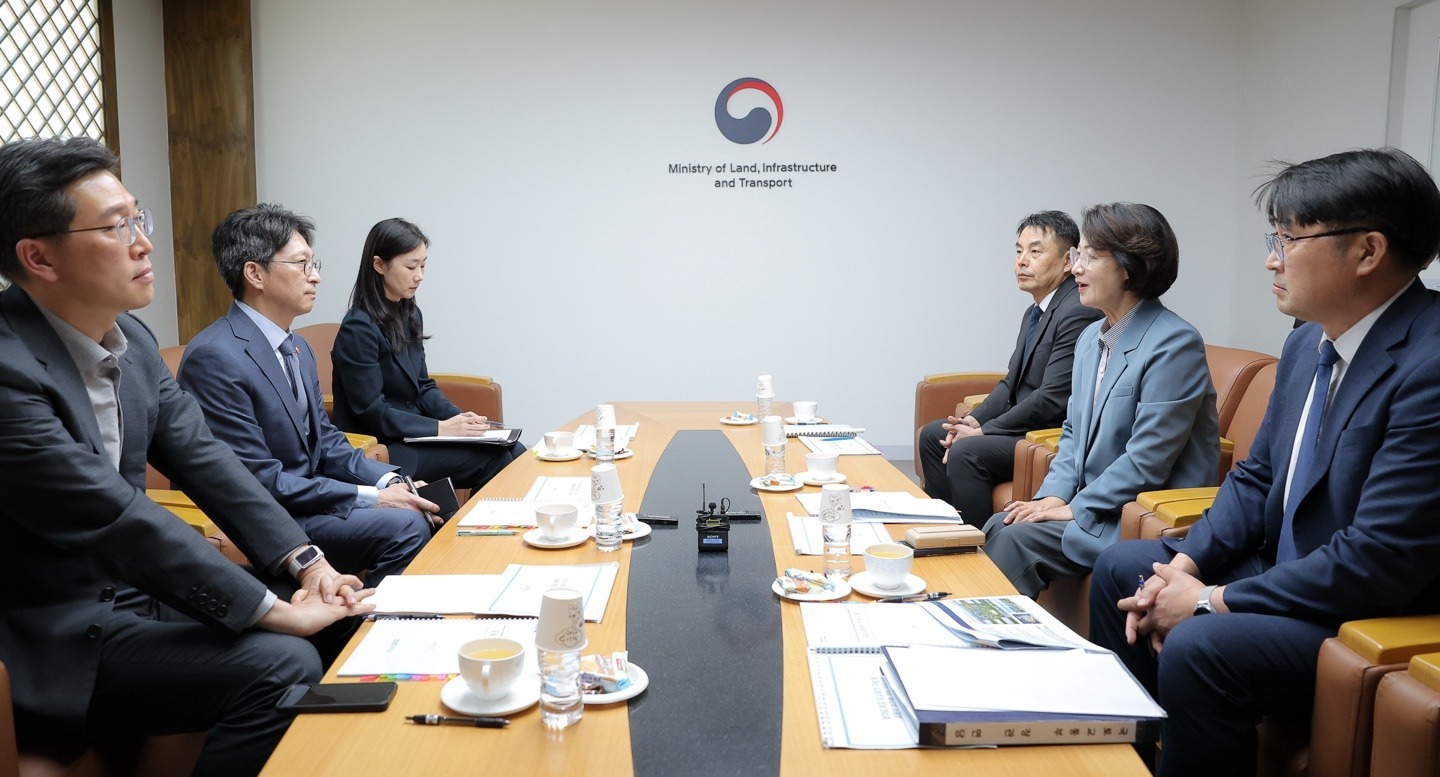
In response, Gyeonggi Province has devised four models—▲industry-linked type ▲R&D+campus type ▲self-sufficient new city type ▲transit-oriented complex development type—focusing on 'what industry and jobs to center on and what kind of housing and cities to create' rather than simply how much housing to supply.
First, the 'industry-linked type' is a model connecting large-scale industrial hubs such as semiconductors with surrounding residential and living areas as a single zone. The concept involves supplying housing and living infrastructure near jobs to match industrial workers' needs, increasing work-residence proximity and creating better living conditions.
The 'R&D+campus type' is a model linking universities' talent and research functions with corporate jobs and youth housing. By having universities, research facilities, enterprises, and housing co-locate, it creates innovation hubs where talent can study, research, start businesses, and find employment locally while establishing roots.
The 'self-sufficient new city type' departs from the existing approach of supplying housing first, then expanding jobs, transportation, and living facilities afterward. The model plans housing, jobs, commercial, and life services together from the initial stages of city development. The goal is to create a complete living zone with balanced residential and self-sufficient functions.
The 'transit-oriented complex development type' is a model developing transportation hubs where multiple metropolitan rail lines such as GTX meet into complex centers concentrated with residential, office, commercial, and life services. The concept involves nurturing transfer-focused station areas into new city centers where jobs and housing converge.
The province also proposed institutional improvements to connect such housing supply strategies to actual projects. The key is improving authority and systems so that Gyeonggi Province, which best understands local housing demand, can more proactively plan from site selection to housing types, self-sufficient functions, and transportation measures.
While actively cooperating with the government's initiative to expand metropolitan housing supply, Gyeonggi Province plans to materialize the 'Gyeonggi Province-style housing supply strategy' where industry, jobs, talent, transportation, and housing grow together, going beyond simply increasing housing volume. To this end, the province plans to establish a practical consultation body with the Transport Ministry to continuously discuss institutional improvements.
Loading comments…