Gyeonggi Province Supports Repair Costs for Abandoned Jeonse Fraud Victim Residences
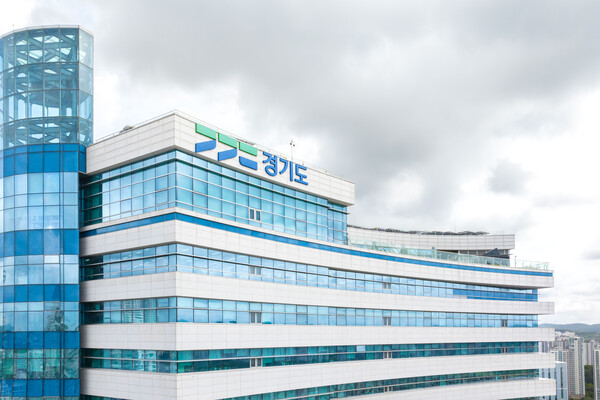
Gyeonggi Province announced it will support repair costs for safety facilities and common and private areas of jeonse fraud victim residences that are not properly maintained due to absent landlords. The province is accepting applications for the second half of the 'Emergency Management Support Project for Jeonse Fraud Victim Residences' from August 26 to September 30.
Eligible residences will receive support of up to 20 million won for repairs to common areas including fire safety, elevators, electricity, lighting, safety facilities, security equipment, waterproofing, and plumbing. Individual units' private interior spaces will also receive support of up to 5 million won per household for repair costs.
In cases where households designated as jeonse fraud victims remain vacant, the province will also support fire safety management and elevator maintenance costs for those units. This is a measure to prevent additional safety accidents and damages to victim residences where building management is not properly conducted due to absent or unreachable landlords.
Gyeonggi Province supported a total of 38 cases in the first half of this year. Repairs to facilities directly related to residents' housing safety, such as waterproofing and water leaks, heating and plumbing, and fire safety and elevators, were mainly completed. In a satisfaction survey, all 38 respondents answered they were 'very satisfied.'
Applications can be submitted at the relevant department of the city or county where the victim residence is located. For more information, visit the Gyeonggi Provincial Housing Welfare Portal (https://housing.gg.go.kr/) under 'Jeonse Damage Center-Notices' or the Gyeonggi Housing and Urban Development Corporation website (https://www.gh.or.kr/gh/) under 'Information Disclosure-Notices.'
Kim Tae-su, director of Gyeonggi Province's Housing Policy Division, said, "This is a project to ensure the safety of jeonse fraud victim residences that are difficult to manage due to absent landlords and to alleviate housing anxiety among affected tenants. We will continue to provide support that victims can feel in their actual daily lives."