


Pyeongtaek City Launches Citywide Environmental Cleanup Campaign for Spring
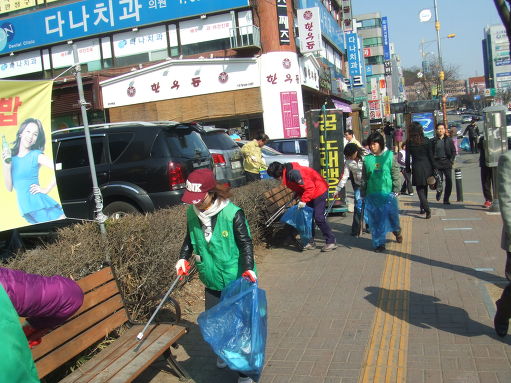
Pyeongtaek City will conduct a citywide environmental cleanup campaign throughout March, when intensive agricultural work begins, focusing on major roadsides, rivers, vacant lots, and residential areas in preparation for the thaw season and spring.
On March 20, the city will hold a Spring Cleanup Day event across all districts, with participation from civil servants, military units, schools, and related organizations to clean up farmland, national highways, rivers, and residential surroundings.
The city plans to carry out cleaning and environmental improvement activities and campaigns throughout the area. Organizations wishing to participate can apply at their respective township or neighborhood offices and will be provided with cleaning supplies such as garbage bags and tongs. To encourage active participation in the "Clean Pyeongtaek" campaign, the city plans to recognize volunteer hours for students participating in the cleanup and provide various incentives to citizens and organizations.
Additionally, the city will organize day and night crackdown teams to conduct intensive inspections of illegal dumping, including unauthorized disposal of household and large waste, illegal incineration, failure to use designated garbage bags, and improper waste sorting.
Violators of illegal dumping will be subject to administrative fines of up to one million won in accordance with applicable laws. Citizens who report illegal dumping through dashcam footage or mobile phone recordings will receive a reward when fines are imposed.
The reward amounts for reporting illegal dumping vary by violation type: 10,000 won for discarding cigarette butts or tissue paper; 40,000 won for disposing of household waste in plastic bags; and 50,000 to 200,000 won for dumping waste generated from business activities such as construction debris.
Citizens who discover illegal dumping can report it through the Pyeongtaek City website (Mayor's Suggestion section) or by downloading the "Daily Life Inconvenience" app on smartphones (Living Map www.gmap.go.kr) and attaching relevant photos or videos, or by visiting their respective township or neighborhood offices with supporting materials.

Loading comments…