


Road Occupation Construction Projects to Require Traffic Management Plans
Starting now, any construction project occupying one or more lanes of road for more than 20 days must submit a traffic management plan to Suwon City.
Construction operators who fail to implement such measures will be subject to criminal referral under the Road Act.
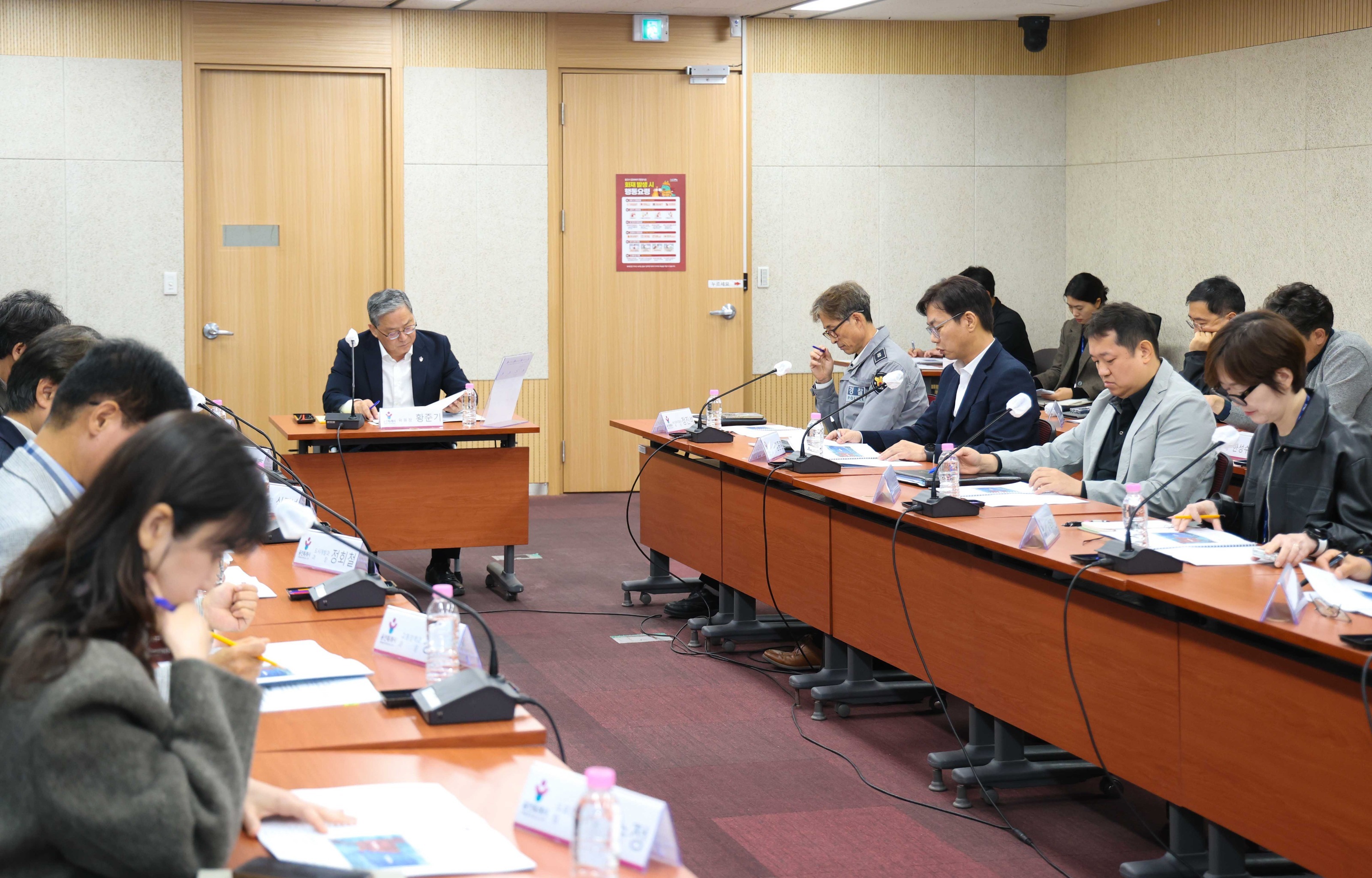
The traffic management ordinance bill for road occupation construction sites, initiated as the main bill by Rep. Lee Yun-pil (Urban and Construction Committee) of the Suwon City Council at the 263rd first regular session with co-sponsorship from Rep. Kim Jin-gwan, is expected to pass the third plenary session on the 17th after deliberation by the standing committee on the 2nd.
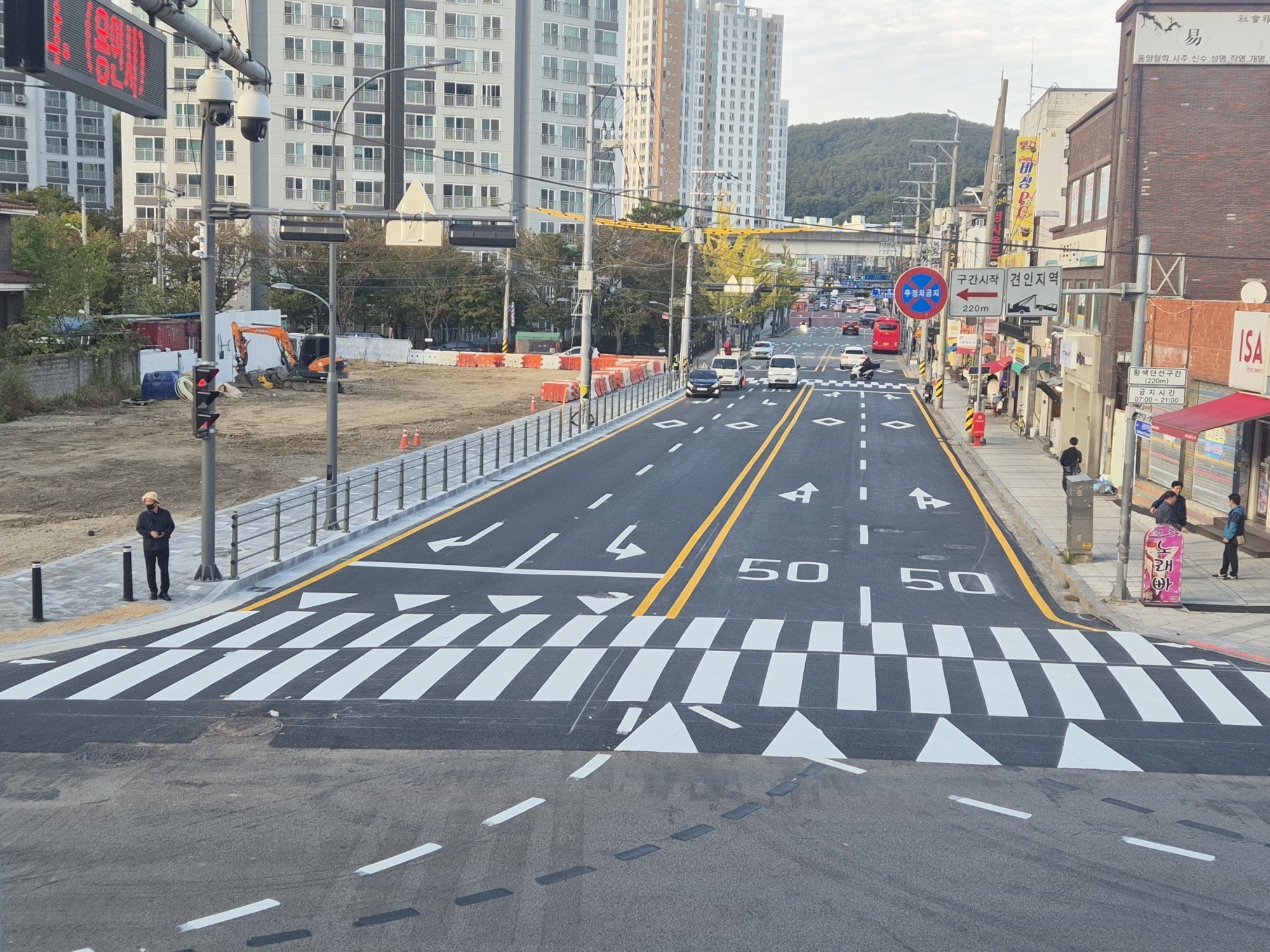
This ordinance bill, initiated to minimize traffic congestion and ensure safety, smooth traffic flow, and convenience for citizens when road occupation construction is undertaken, will apply to construction projects where the road occupation period exceeds 20 days (10 days for exclusive automobile roads).
The specific types of applicable construction include ▲construction for road creation, opening, and maintenance, and road attachment works ▲subway and rail construction maintenance and repair works ▲water supply, sewerage, and gas pipe construction ▲electrical and telecommunications works, and others.
Operators of such construction must establish and submit traffic management plans to the city before obtaining road occupation permission, including basic details regarding construction period, time of day, and construction methods.
Traffic management plans must include traffic control and management methods during construction periods, information and signage for guidance, and provisions for safety facility installation to protect pedestrians and vehicles.
Additionally, plans for deployment of traffic guides, alternative route information and signage, and other plans ensuring safe passage for pedestrians and vehicles must be established.
If the construction period is extended by 20 percent or more, if the location of the occupied road changes, or if implementation of the submitted traffic management plan becomes impossible, the plan must be revised and resubmitted.
Furthermore, if significant disruption to traffic and safety is anticipated, the mayor may request that operators adjust the road occupation period and time, and modify construction management plans.
If operators fail to implement traffic management plans and the measures requested by the mayor without valid reason, a corrective order must be issued. Should operators fail to comply with the corrective order, the city must refer the construction operator for criminal prosecution under Article 99, Section 2 of the Road Act.
This ordinance bill is scheduled to take effect three months after its promulgation following passage in the plenary session, and is expected to be applied from this fall.
Rep. Lee Yun-pil, who initiated this ordinance bill, explained the purpose, stating: "With roads and various infrastructure projects emerging frequently in the Suwon area, a systematic traffic management plan for road occupation construction sites is urgently needed for a pleasant pedestrian environment and smooth traffic flow."
The representative emphasized: "In the face of redevelopment and reconstruction projects being pursued in the Suwon area, as well as various development projects and large-scale construction such as the light rail and Shinbundang Line, establishing such traffic management plans is essential."


Loading comments…