


Gyeonggi Province Schools Left with Surplus Classrooms
Out of 17,959 newly constructed classrooms across 549 elementary, middle, and high schools in Gyeonggi Province, one in five classrooms remains empty and unused.
At the elementary level, 1,998 out of 8,114 newly built classrooms (20%) sit vacant; at middle schools, 1,580 out of 5,445 classrooms (29%) are empty; and at high schools, 377 out of 2,586 classrooms (15%) are unused.
During a parliamentary inspection of the Gyeonggi Province Office of Education at the National Assembly's Education, Science and Technology Committee on the 20th, Han Nara Party Rep. Lee Chul-woo (Gimcheon, North Gyeongsang Province) stated, "Severe budget waste is occurring as empty classrooms pile up due to inaccurate student demand forecasts."
Rep. Lee noted that the Gyeonggi Province Office of Education predicted 352,982 elementary students from 2000 to 2008, but the actual number reached only 282,037 students (79.9% of the forecast). For middle schools, the office predicted 193,722 students but only 148,923 enrolled (76%).
In contrast, the office projected 89,790 high school students but instead saw an increase of 1,431 students.
Due to the provincial office's failure to accurately forecast student numbers, schools that opened this year—including Suwon Ipbuk Elementary, Namyangju Hohyeong Elementary, and Hwaseong Bansong Middle School—have classrooms that are more than 70% empty.
Additionally, Yongin Changdeok Middle School and Namyangju Gwangneung Middle School have 21 out of 24 classrooms vacant, while Uijeongbu Dongam Middle School has 26 out of 31 classrooms empty.
Rep. Lee pressed the issue: "Over the past eight years, 1.3858 trillion won was spent on school construction projects. Didn't the provincial office waste over 900 billion won by miscalculating student numbers?"
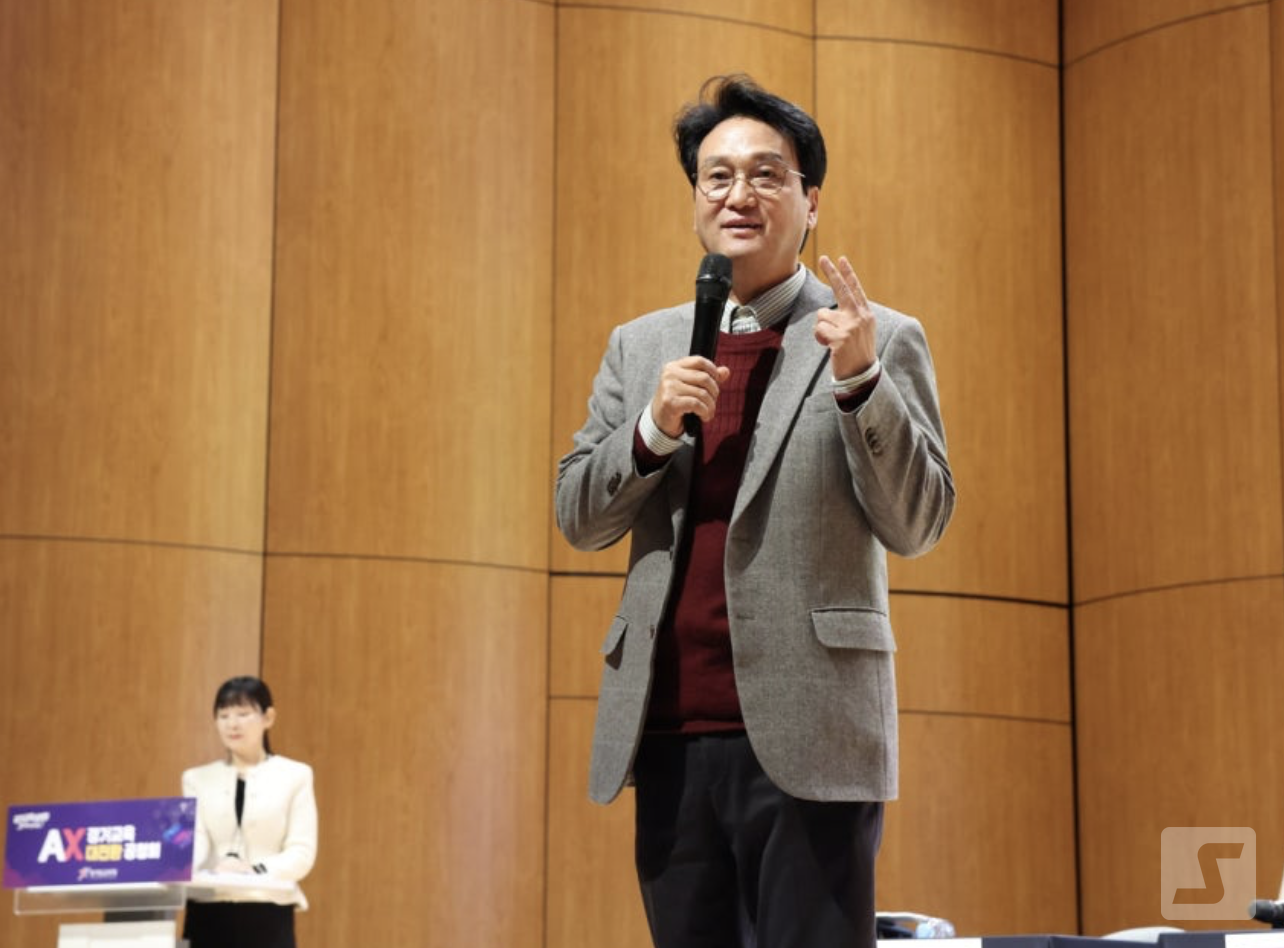
In response, Gyeonggi Province Superintendent of Education Kim Jin-choon said, "Starting from the initial school construction phase, we will develop systematic programs to more accurately forecast student numbers and devise measures to address the issue of empty classrooms."

Loading comments…