Extreme Heat Exposed Vulnerability of the Vulnerable
Extreme heat arrived equally for everyone, but the conditions to endure it were different.
According to Suwon City and other sources as of the 14th, blackouts occurred repeatedly across Suwon starting from the 4th. As power consumption surged due to the extreme heat, electrical facilities in various locations could not handle the load.
On the 4th, blackouts occurred at three apartment complexes in the Jangan-gu area, and on the 5th at one apartment complex in the Yeongtong-gu area. On the 6th, electricity was cut off in multi-family and single-family residential areas in Jangan-gu, and on the 7th, about 100 households in the Paldal-gu area experienced blackouts.
The extreme heat laid bare the vulnerabilities of aging residential facilities. A Suwon City official stated, "Some older apartments were equipped with facilities designed for power consumption levels at the time they were built, but now with significantly increased use of air conditioners and various home appliances, problems occur exceeding the existing capacity," and explained that "substantial costs are required to expand power facilities, making immediate improvements difficult."
Response capabilities following blackouts varied depending on housing type.
In the case of apartments, there were management bodies such as management offices and resident representative councils to discuss issues and undertake recovery. Even when blackouts occurred, some complexes allowed residents to move to common spaces with electricity, such as senior centers or community centers, to escape the heat.
Multi-family and single-family homes were different.
On the 6th, in the Jangan-gu area, power consumption surged during the extreme heat, causing problems in power lines unable to withstand the load. On the 7th, in the Paldal-gu area, sparks occurred at a utility pole, cutting off power supply to the entire area.
However, these residential areas had no centralized management body as in apartments. Moreover, many residents were renters. In principle, owners should undertake repairs, but when the process of contacting multiple homeowners and negotiating costs and repairs lengthens, residents must endure the extreme heat without knowing when recovery will occur. Even when air conditioners and fans stop due to blackouts, unlike apartments, there are no common spaces within the neighborhood to escape the heat.
Ultimately, Suwon City stepped in. To allow residents to escape the heat, nearby administrative welfare centers were opened. Some residents actually moved there, and the city sought cooperation from nearby churches to accommodate those who needed to stay until repair work was completed.
It was the same extreme heat and blackout, but the conditions for enduring the damage were different.
Those with vehicles could move to places with air conditioning. Those with nearby family or relatives could temporarily leave home. Multi-unit housing with management bodies had entities to discuss recovery and common spaces to escape the heat. For those without these, the available options were far fewer.
Suwon City was most concerned about elderly residents and people with disabilities who have difficulty moving on their own or have nowhere appropriate to go. A Suwon City official stated, "People who have relatives nearby or have vehicles and places where their families can go are fine," and added, "I'm worried about truly vulnerable elderly people and those with disabilities who have nowhere to go."
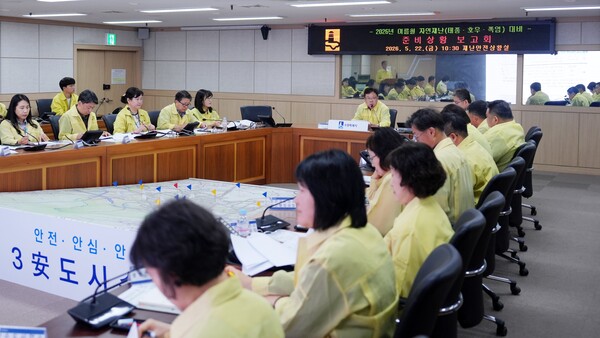
In response, Suwon City activated a 24-hour emergency response system starting from the 7th. Emergency personnel were assigned to departments, offices, district offices, dong administrative welfare centers, and health centers, strengthening on-site response and field inspections of vulnerable populations when damage occurred.
On the 9th, the extreme heat broke. The Seoul Regional Meteorological Administration lifted the tropical night advisory for Suwon and the Gyeonggi region at 4 p.m. that day, and downgraded the extreme heat warning to an extreme heat advisory starting at 6 p.m. Suwon City also ended its strengthened emergency response system operations.
The blackouts lasting only a few days demonstrated that extreme heat damage is not determined solely by temperature.
How old the house is, whether there is a management body to maintain electrical facilities, whether there are spaces to escape the heat, whether there is a vehicle to travel with, and whether family members are nearby to seek help—these differences led to varying abilities to endure extreme heat.
Extreme heat came equally to everyone, but the ability to endure it varied depending on housing, income, infrastructure, and family relationships. The more vulnerable were even more vulnerable to extreme heat.
Suwon Mayor Lee Jae-jun stated, "We are operating a proactive emergency response system to protect vulnerable populations and ensure site-focused safety management," and added, "We will do our best to carefully examine blind spots beyond existing systems and management frameworks so that citizens can lead safe daily lives."