[Kim Jun-gi's 'Suwon Poetry, Suwon Poets' (111)] Lee Jong-gu 'Why Flowers Bloom and Wither'
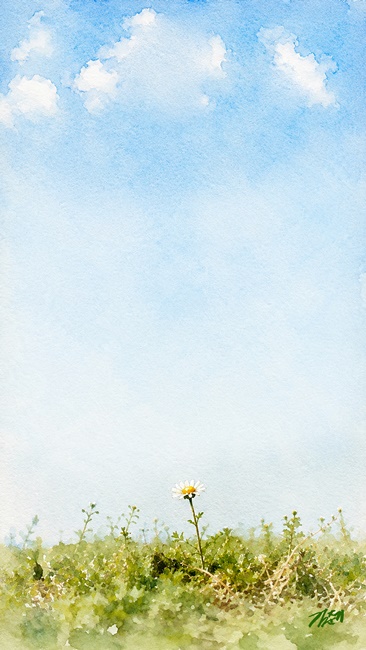
Why Flowers Bloom and Wither
Lee Jong-gu
Blooming for reasons unknown
Wildflowers wither without guilt
Grasping at bending waists
Blooming and withering without knowing why
Is this not true for all flowers?
On days when not even an inch ahead is visible
A bright spring arrives
Forsythia, azalea, magnolia bloom beside us
How dazzling and tender was this spirit
I too wanted to play with the flowing stream before me
And wished to gaze at distant mountains and depart
Yet let us not ask the flowers struggling to bloom why they bloom
Only, in the wide field
Let us not ask the withering flowers why they wither
But wave our hands and bid them a beautiful farewell
Yesterday was the forty-ninth memorial day for poet Lee Jong-gu. On an evening when the sunset glowed across the stepping stones bridging late spring to early summer, nearly a month has already passed since the poet departed, like a wildflower leaving the fields on that evening.
No one knew that he, who had lived his life more intensely than anyone else and never once let go of the prayer beads of poetry even in that arduous journey, would leave us like that. Just four days before his departure, he was still the man who, with a drink in hand, spiritedly sang Bae Ho's song "Returning to Samgak-ji" with style.
Perhaps that is why. Reading again the poem he published in the past year in Volume 12 of "Suwon Poets," it seems to hint at an unexpected parting.
The path the poet walked was a rough field. The poet was a single wildflower blooming "grasping at bending waists" in that field. There was not a single day when the poet was free from physical hardship.
Yet the poet recited of the days he had lived, "How dazzling and tender was this spirit," and said, "I too wanted to play with the flowing stream before me / And wished to gaze at distant mountains and depart / Yet let us not ask the flowers struggling to bloom why they bloom."
I first met poet Lee Jong-gu when I was in my early thirties and he was in his mid-twenties, a passionate but poor and unknown literary aspirant. He was always quiet and spoke little. Yet in the soft voice with which he would casually drop a few words lay the hardship of days lived without ease.
That was right. He lived as a coal miner, or as a substitute driver and taxi driver transporting drunken men through the night, or as a delivery motorcycle rider pressing the doorbells of unfamiliar homes late at night, passing through his entire life in the shadowed margins of our society, bearing that shadow as his fate. Yet he never lost the gentleness of having lived a life as a poet. Within that softness, an unwavering and just spirit that compromised not with injustice shone brightly. Though he was my junior, he was a poet worthy of respect.
But that poet has now left us.
"Only, in the wide field / Let us not ask the withering flowers why they wither / But wave our hands and bid them a beautiful farewell." My friend. No matter how beautiful a farewell is, a farewell is a farewell. You cannot be unaware that even a beautiful farewell is all the more painful and sorrowful.
This wretched friend. The fact that you have left our side feels like nothing but a vain lie to me. If I were to go this evening to the small taverns in the back alleys of Namun or Jongno that you frequented, you would still be there engaged in spirited conversation with Jin-hwan, Chi-sang, or some other cherished faces, and you would rise with a bright smile saying, "Brother, welcome," to greet me. It is not "would seem," but it must be so. Our evenings must be made thus, without fail.
My shame. Now that I think about it, I have not bought you a proper drink recently, always using my shallow pockets as an excuse. The rain will come on time. Even if we are soaked by rain today, will tomorrow still be a drenched life? Let me offer you a drink boldly asking that question.
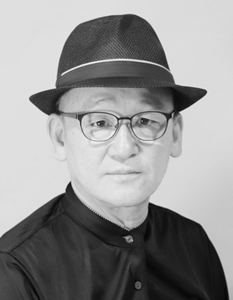
Poet Lee Jong-gu
Debuted in the monthly journal "Literary Space"
Member of the "Poetry Occurrence" group
Participated in the Frankfurt Book Fair
Poetry collection "Born Birds Must Fly"
Peacefully passed on June 2, 2026