


Gyeonggi Province Pushes Comprehensive Plan to Reduce Single-Use Products

[Suwon Ilbo=Reporter Park No-hun] Gyeonggi Province is promoting a 'comprehensive plan to reduce single-use product usage' by expanding the ban on single-use products from the provincial office to all public facilities and piloting the development of single-use product-free specialized districts in Gyeonggi.
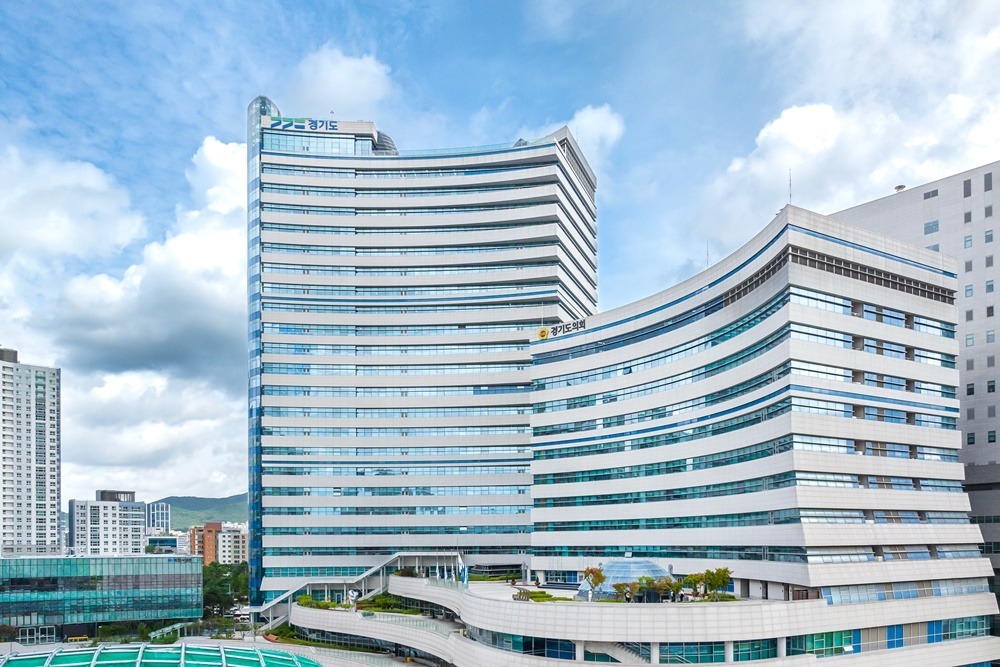
The province made a 'pledge declaration to reduce single-use product usage' with these details on the 23rd at the Gyeonggi Provincial Government Office under the auspices of the Carbon Neutral & Green Growth Committee.
The ceremony was attended by approximately 420 participants, including members of the Carbon Neutral & Green Growth Committee, heads of 28 public institutions, businesses, consumers, small business owners, delivery and reusable container service companies, students representing future generations, and civil servants from 31 cities and counties.
Kim Dong-yeon, Governor and Co-Chair of the Carbon Neutral & Green Growth Committee, said, "Gyeonggi Province has banned single-use cups from being brought into the office since January 1st of last year, and since January 1st this year, it has also banned the use of single-use containers for food delivered during late-night work." He added, "The purpose was to lead the public sector in not using single-use products, and it is being established for the first time in the nation."
He continued, "I attended the Davos Forum last week, and companies around the world were concerned about climate change. Among OECD countries, South Korea is the only one where the proportion of renewable energy has decreased, which weighed heavily on my heart. I hope that reducing single-use products will be realized as one practice in our daily lives. Gyeonggi Province will take the lead and join forces with the provincial council to make our utmost efforts," he emphasized.
This comprehensive plan was prepared with the aim of urging the normalization of central government policies that run counter to carbon neutrality while establishing a lifestyle culture free from single-use products in the daily lives of citizens.
Accordingly, the province will promote 16 key implementation tasks across 4 sectors under the vision of 'Zero Single-Use Products, Gyeonggi Doing It Right' with the goal of establishing a lifestyle free from single-use products.
Looking at the four-sector plan in detail, first, ① the public sector leadership sector includes expanding zero single-use product public facilities, hosting zero single-use product public festivals, events, and meetings, and installing and operating shared cup stations at public facilities.
In the spirit of leading the movement to reduce single-use products, the province expanded the scope of bans on use and entry from the provincial office to all public facilities and decided not to use single-use products when planning various events. The province also plans to install tumbler washers and shared cup rental facilities at key points in public facilities.
② The private sector expansion support sector includes shared basket support projects, piloting single-use product-free Gyeonggi specialized districts, operating Gyeonggi Ongdalsaem, and expanding reusable container service adoption at private multi-use facilities.
The province will operate shared basket zones in partnership with traditional markets and provide residents with basket washing, rental, and return services. Through city and county public recruitment projects, it will develop specialized districts with environments enabling reusable cup usage in all public institutions and multi-use facilities in the region. The province will also operate 'Gyeonggi Ongdalsaem,' which provides free water to residents who bring tumblers to cafes, restaurants, banks, community centers, and other establishments without requiring food or beverage purchases.
③ The resident participation activation sector includes expanded incentives for reusable container usage, building and operating a Gyeonggi resource circulation map platform, expanding resource circulation villages, and activating plastic waste upcycling.
The province will provide discount coupons to consumers at food delivery restaurants using reusable containers. It will also build a Gyeonggi resource circulation map platform that shares single-use product reduction policy information and practices from the province and cities and counties. The province plans to expand resource circulation villages from the current 13 locations to 50 locations, where residents participate in sorting, collection, and other activities to create a resource circulation economy, and implement pilot projects for upcycling such as producing daily necessities through recycling waste vinyl banners and transparent PET bottles.
④ The implementation foundation sector includes urging the Ministry of Environment to reconsider its policy of lifting single-use product regulations and establishing institutional foundations for activating the circular economy, such as transferring regulatory authority over single-use product usage to local governments.
The province will urge the normalization of the Ministry of Environment's single-use product regulation lifting policy, which is being implemented without legal grounds, and plans to fully amend Article 10 of the 'Resources Recycling Act' to enable local government ordinances to regulate facilities, industries, and business compliance requirements for restricting single-use product usage.
Following the announcement of the comprehensive plan, 420 participants pledged that Gyeonggi Province would lead the way in reducing single-use product usage and transitioning to a circular economy society.
As a side event, 29 companies participated in an exhibition on reusable container services, resource circulation villages, upcycling and green products, introducing reusable container return systems, tumbler washer demonstrations, pedal-powered blenders, and clay and brick landscape drainage plates.
Loading comments…