


COVID-19 Causes Influx of People from Gyeonggi Province to Seoul to Plummet, While Foot Traffic Within Gyeonggi Province Surges
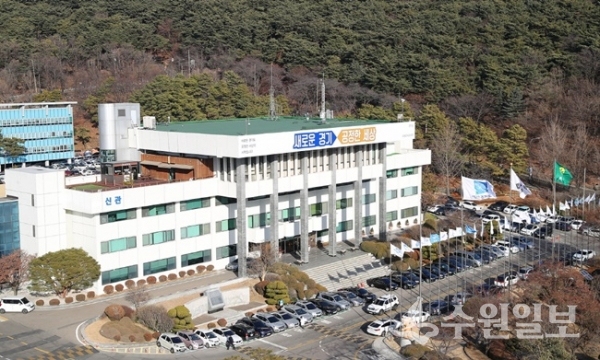
[Suwon Ilbo=Reporter Park No-hun] As the spread of COVID-19 has caused a dramatic decrease in foot traffic heading to Seoul, foot traffic within Gyeonggi Province has increased.
Similar increases were observed not only on weekdays when commuting and school travel are frequent, but also on weekends when leisure travel is common.
Based on KT mobile phone-based big data, the Gyeonggi Research Institute analyzed trends in foot traffic between Gyeonggi Province and Seoul from February to August and published "Changes in Foot Traffic Due to COVID-19 and Implications."
Prior to the spread of COVID-19, there was significant outflow of foot traffic from Gyeonggi Province to Seoul on weekdays, but since late February this has decreased, with foot traffic within Gyeonggi Province significantly exceeding that within Seoul.
It appears that commuting and school travel decreased due to remote work and non-face-to-face classes, while Seoul outflow for leisure activities also declined.
Particularly, with the explosive increase in cluster infections in the Capital Region in August, outflow from Gyeonggi Province to Seoul declined at an even sharper rate than in February.
During the first wave in late February, foot traffic decreased on weekdays (-16.7%) and weekends (-14.2%), whereas during the second wave in August the decrease was much more dramatic (weekdays -28.6%, weekends –20.9%).
In most Gyeonggi cities and counties, the decrease in outflow to Seoul was greater on weekends than on weekdays; however, in Icheon, Anseong, and Yeoju the decrease on weekends was smaller, suggesting that Seoul dependence for weekend activities prior to COVID-19 was low.
Meanwhile, Bucheon and Gwangmyeong, which showed high Seoul dependence, had relatively smaller decreases in outflow despite COVID-19.
Examining foot traffic within Gyeonggi Province during the first wave, all Gyeonggi cities and counties except Seongnam (-1.6%) and Gwacheon (-0.6%) saw increases in foot traffic.
In particular, Yangju (3.9%), Pocheon (4.2%), Yeoju (3.1%), Yeoncheon (8.1%), Gapyeong (3.0%), and Yangpyeong (6.9%) saw relatively significant increases.
This is attributed to these areas having smaller populations and being farther from Seoul, leading residents to refrain from long-distance travel and stay within nearby local areas as a result of COVID-19, and with overseas travel becoming difficult, the foot traffic to nearby Capital Region tourist destinations increased.
These areas continued to see increases in foot traffic even amid the impact of the second wave, including Gwangju (2.6%), Yangju (4.4%), Pocheon (3.8%), Yeoncheon (6.1%), Gapyeong (9.5%), and Yangpyeong (2.6%).
When examined by administrative dong, foot traffic significantly declined in the Suwon Station commercial district (Maesan-dong), major commercial areas of Bundang New City (Yatap 1-dong, Seohyeon 1-dong, and Jeongja 1-dong in Seongnam), and Anyang First Avenue (Anyang 1-dong), which had a major impact on commerce, while Pangyo Techno Valley (Sampyeong-dong and Siheung-dong in Seongnam) saw decreased weekday foot traffic due to information and communications companies leading remote work initiatives in response to COVID-19.
Locations such as Let's Run Park (Gwacheon-dong, Gwacheon City), Anseong Farmland (Miyang-myeon, Anseong City), and Hwadamsuup and Gonjiam CC (Docheok-myeon, Gwangju City) experienced sharp drops in weekend visitors, resulting in significant decreases in foot traffic.
Kim Young-rong, Research Fellow at the Gyeonggi Research Institute, stated, "This research utilizing foot traffic big data is significant in that it provides timely analysis of immediate changes in the daily lives of Capital Region residents due to COVID-19," and added, "Since changes in foot traffic due to COVID-19 vary by period and region, these analytical results can be usefully applied to future matters related to regional transmission of COVID-19 and emerging infectious diseases."

Loading comments…