


Gyeonggi Province Secures 4.2 Billion Won in Government Funds for Urban Vulnerable Area Improvement in Yangju and Hwaseong
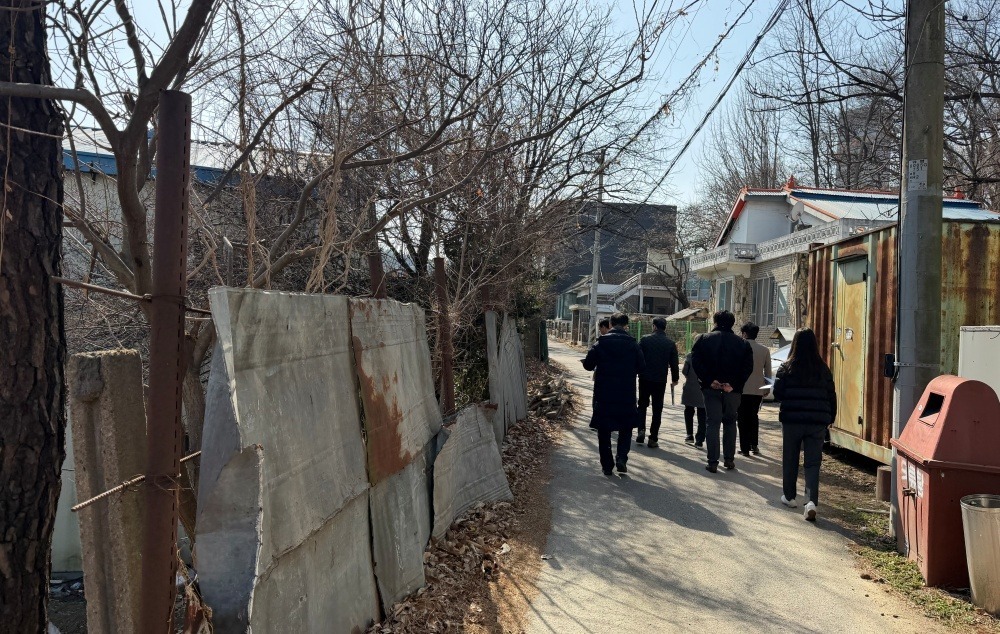
Gyeonggi Province announced on the 29th that Deokgye-dong in Yangju City and Annyeong-dong, Byeongjeom-gu in Hwaseong City were finally selected in the 2027 "Urban Vulnerable Area Living Conditions Improvement Project" public contest hosted by the Presidential Committee for the Era of Local Governments, and will receive a total of 4.2 billion won in government funds over the next five years.
Through this project, the two regions will implement residential environment improvement projects that directly impact residents' safety and living conditions, including demolition of abandoned houses, maintenance of buildings and facilities at risk of collapse, and creation of small parks and parking lots.
The Deokgye-dong project area in Yangju City covers 19,299 square meters with 138 residents. Deteriorated houses account for 74.3% of all housing, and 18% of residents are recipients of basic living assistance. Located in a chronically flooded area, the region requires safety assurance through maintenance of deteriorated housing and living infrastructure.
The Annyeong-dong project area in Byeongjeom-gu, Hwaseong City covers 66,879 square meters with 290 residents, with deteriorated housing accounting for 73% and poor roads accounting for 84.3%. As development progressed in surrounding areas, this region experienced relatively slower residential environment improvement. Through this project, roads and residential environments will be systematically maintained.
University students in the province will also participate in village environment improvement and resident programs by utilizing their majors. The province is promoting participation by public art majors in village environment improvement, and is also discussing ways for university students in various fields such as crafts, music, and food to conduct continuous classes and activities for residents.
Through this, the province aims to provide university students with opportunities to apply their major knowledge in local communities, while expanding residents' access to cultural and educational programs.
Gyeonggi Province supported the application process by working with the cities to identify target areas and gather resident opinions, while providing expert consulting to help concretize the project plans.
Cheon Byeong-mun, head of the Urban Regeneration Division of Gyeonggi Province, stated, "The province and cities together identified target areas and concretized project details with residents, achieving the results of both regions being selected for the national public contest. Going forward, we will continue to identify regions with poor living conditions where residents face inconvenience, and support improvements in residential environments that residents can directly experience."
Loading comments…