


Kim Jin-pyo: "Fundamental Solution to Airport Noise Damage is Relocation"
Suwon NewsPublished 2012.10.18 18:07
[Parliamentary Audit] Demands Air Force Begin Advance Survey for Relocation Sites
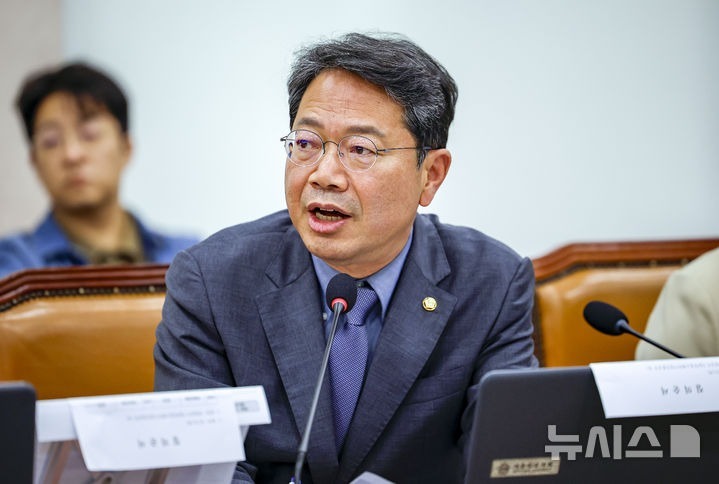
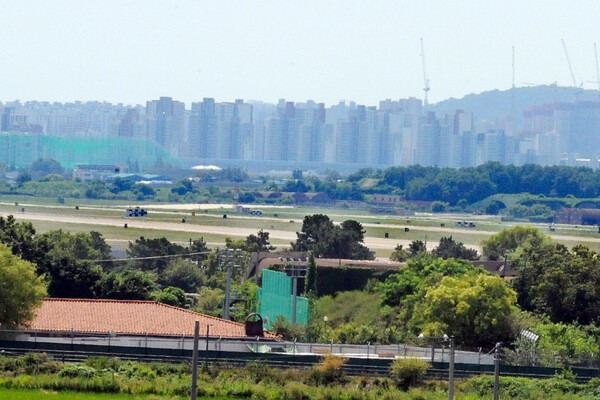
Rep. Kim Jin-pyo (Democratic Party, Suwon Yeongdeungpo) said on the 18th during an Air Force headquarters parliamentary audit held at Gyeryongdae that the fundamental solution to resolving noise damage around urban military airfields in Suwon, Daegu, and Gwangju is only the relocation of over 50-year-old military airfields.
Rep. Kim Jin-pyo said on the day, "In accordance with Supreme Court precedents, noise damage compensation paid to residents around military airports reached nearly 200 billion won last year, and within the next five years will exceed 1 trillion won, forcing the nation to bear astronomical fiscal burden," and stated, "The fundamental solution to this is the relocation of urban military airfields."
In relation to this, Rep. Kim Jin-pyo said, "There is no practical measure to lower urban military airport noise below the standard threshold, and if Air Force fighter jets become higher performance than at present, noise damage will inevitably increase," and argued, "We must immediately begin advance site surveys for relocation of urban military airfields."
Rep. Kim Jin-pyo also noted, "Due to noise-related complaints from residents around urban military airports, reduction in aircraft takeoffs and landings is inevitable," and pointed out, "This is causing disruptions to Air Force capability enhancement, including pilot training shortages due to fewer maneuver drills and limited reconnaissance flight frequencies."
Rep. Kim Jin-pyo added, "Due to such problems, advanced countries like the United States and Europe are also relocating and operating military airports to islands, coastal areas, and deserts."
In particular, Rep. Kim stated regarding the "Special Act on Military Airport Relocation" he led in introducing, "Military airport relocation is delayed because there are over 20 complex licensing and authorization procedures, and there are almost no incentives for the Air Force," and said, "A bill that substantially streamlines licensing and authorization procedures under the leadership of the Defense Minister and enables part of development profits to be used for strengthening national defense such as construction of state-of-the-art military airports will serve as a catalyst for military airport relocation."
Send a news tip to Suwon IlboYour tip becomes the news · Your identity is protectedSend tipRep. Kim Jin-pyo said on the day, "In accordance with Supreme Court precedents, noise damage compensation paid to residents around military airports reached nearly 200 billion won last year, and within the next five years will exceed 1 trillion won, forcing the nation to bear astronomical fiscal burden," and stated, "The fundamental solution to this is the relocation of urban military airfields."
In relation to this, Rep. Kim Jin-pyo said, "There is no practical measure to lower urban military airport noise below the standard threshold, and if Air Force fighter jets become higher performance than at present, noise damage will inevitably increase," and argued, "We must immediately begin advance site surveys for relocation of urban military airfields."
Rep. Kim Jin-pyo also noted, "Due to noise-related complaints from residents around urban military airports, reduction in aircraft takeoffs and landings is inevitable," and pointed out, "This is causing disruptions to Air Force capability enhancement, including pilot training shortages due to fewer maneuver drills and limited reconnaissance flight frequencies."
Rep. Kim Jin-pyo added, "Due to such problems, advanced countries like the United States and Europe are also relocating and operating military airports to islands, coastal areas, and deserts."
In particular, Rep. Kim stated regarding the "Special Act on Military Airport Relocation" he led in introducing, "Military airport relocation is delayed because there are over 20 complex licensing and authorization procedures, and there are almost no incentives for the Air Force," and said, "A bill that substantially streamlines licensing and authorization procedures under the leadership of the Defense Minister and enables part of development profits to be used for strengthening national defense such as construction of state-of-the-art military airports will serve as a catalyst for military airport relocation."
© Suwon Ilbo. Unauthorized reproduction and redistribution prohibited.
Loading comments…