


Suwon, Osan, Hwaseong Integration Bill Gets First Start
A plan to consolidate basic local governments through the autonomous will of residents has been submitted to the National Assembly.
Following this, the current 230-odd basic local governments are expected to be reorganized into 50-60 integrated cities, counties, and districts. Gyeonggi Province in particular is likely to transition to an appointed system, and discussions on reorganization within the province into southern Suwon area, western Anyang area, and eastern Seongnam area are expected to proceed vigorously.
In particular, Suwon, Osan, Hwaseong, and parts of Uiwang City are likely to emerge as the first autonomous integrated cities in the province, while Gyeonggi Province is expected to show strong opposition.
According to Rep. Kwon Kyung-seok (Democratic Party, Changwon, South Gyeongsang Province), chief of the National Assembly's Administrative Safety Committee, on the 3rd, the bill will be sponsored as representative legislation to maintain the current system of metropolitan cities and provinces while integrating the nation's 230 cities, counties, and districts below them, with some 30 fellow lawmakers participating. The name of the bill is the "Special Act on the Reorganization of Local Administrative Systems."
If this bill passes, Gyeonggi Province will only handle nationally delegated duties and will transfer nearly all local government affairs to the "integrated cities and counties" created by consolidating cities and counties within the province, thereby not only losing its role as a de facto metropolitan local government but also transitioning from an elected position to a government-appointed position under the current system.
With the submission of the special legislation, a nationwide project to create megacities centered on cities with populations of 500,000 is expected to gain rapid momentum.
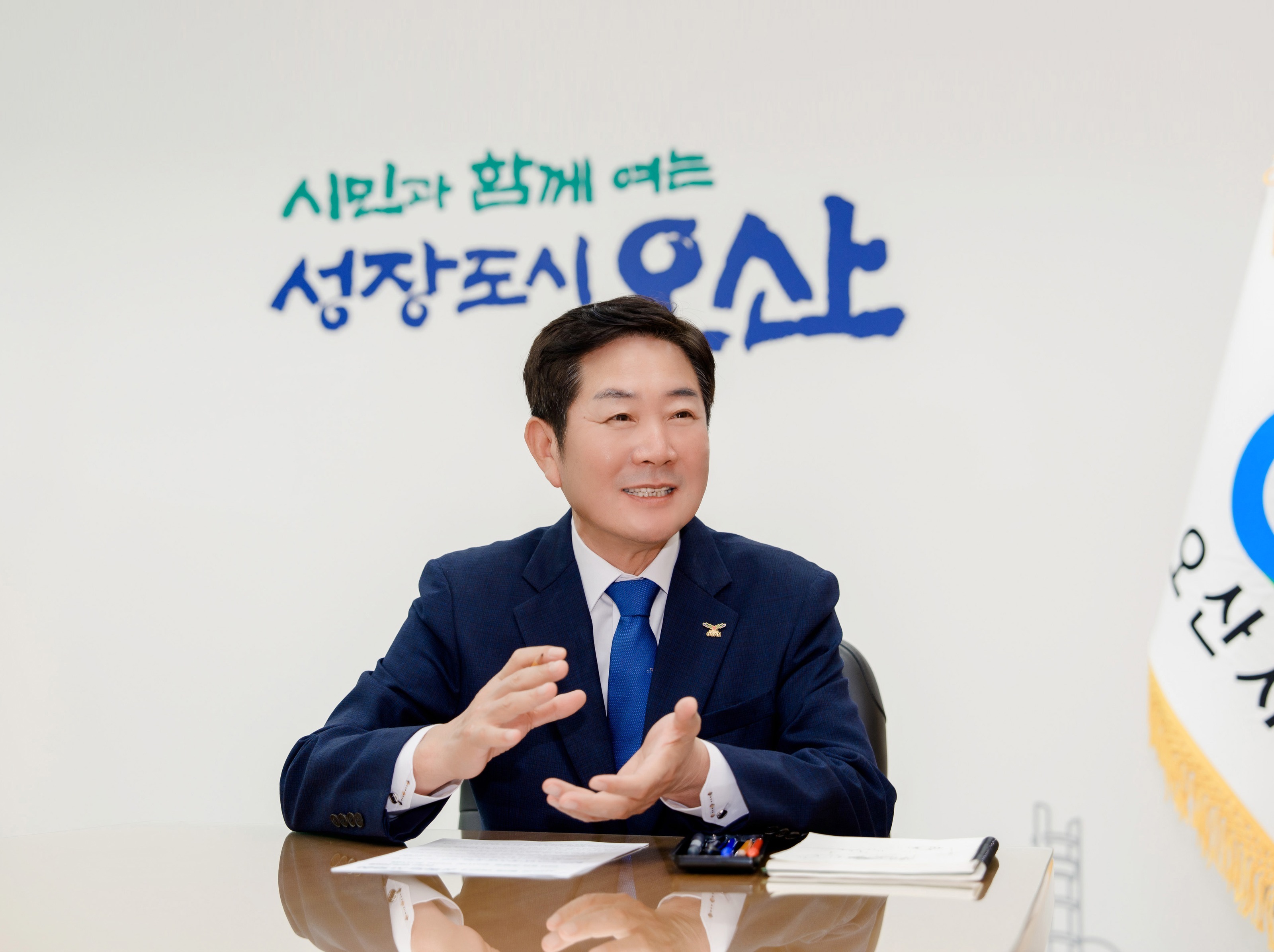
Suwon, Hwaseong, and Osan, expected to cut the ribbon on the first integration, are undertaking parallel work to strengthen personnel and organizations to oversee extensive regional administration and to enhance the status, authority, and role of local governments.
Gyeonggi Province, which has shown indirect responses through policy seminars and refrained from direct action thus far, is expected to swiftly oppose and escalate its response with the submission of the special legislation.
In the case of Seoul, it is expected that 25 current autonomous districts will be consolidated into 4-5 integrated districts in consideration of population scale and geographic conditions, leaving only the Seoul mayor and integrated district chiefs. Additionally, while metropolitan cities will be maintained, all autonomous districts within metropolitan cities will be abolished.
This plan also includes provisions to convert provinces through re-integration into "mega-regional administrative bodies" similar to the "5+2 Metropolitan Economic Zone."
Meanwhile, the bill calls for the establishment of integration promotion committees for each city, county, and district, and for the integration decision to be made through a residents' referendum.
Loading comments…