


Gyeonggi Province Holds 81st Anniversary Atomic Bomb Victims Commemoration Ceremony…Cross-Border, Multigenerational Nuclear Damage Testimonies
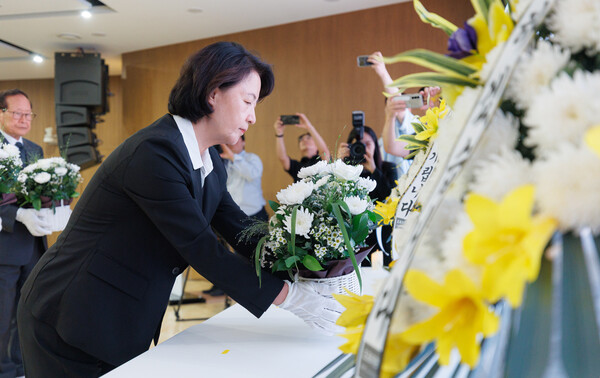
Gyeonggi Province and the Gyeonggi Province Atomic Bomb Victims Association held the "Gyeonggi Province 81st Anniversary Atomic Bomb Victims Commemoration Ceremony" on the 7th in the main conference room of the Gyeonggi Provincial Council to commemorate victims and reflect on the pain of affected individuals and their descendants on the 81st anniversary of atomic bomb damage.
The ceremony was attended by Gyeonggi Province Governor Choo Mi-ae, Gyeonggi Provincial Council Speaker Nam Jong-seop, Jung Jung-ung, head of the Seoul branch of the Korean Atomic Bomb Victims Association, Park Sang-bok, chairman of the Gyeonggi Province Atomic Bomb Victims Association, and approximately 100 atomic bomb victims and their descendants from the province.
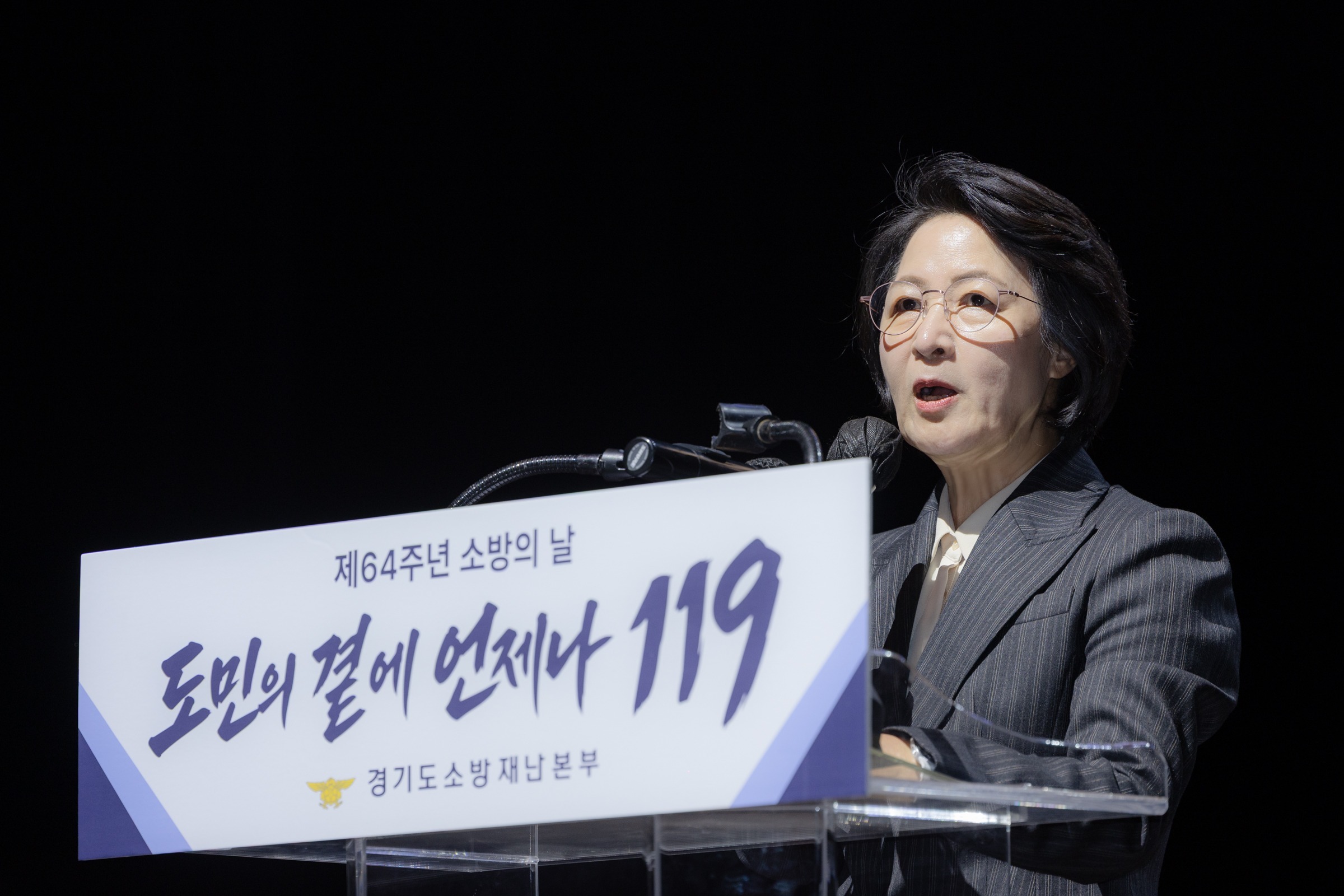
Governor Choo Mi-ae paid respects to atomic bomb victims through a representative floral tribute and commendation ceremony, and offered condolences to victims and their descendants who have lived with pain and trauma for a long time through a commemorative address.
Governor Choo stated, "Our neighboring Japan, rather than feeling indebted to the atomic bomb victims, is now attempting to abandon the three non-nuclear principles of not accepting, possessing, or exporting nuclear weapons. In this situation, atomic bomb victims are raising their voices toward the entire world. We must raise our voices even more so that the victims can become a light, and so that our world can become a world without nuclear weapons."
The event featured a newly organized international bomb survivor testimony session. Mayra Abinova, a Kazakhstan nuclear test victim and human rights activist, and Petruche Gilbert, chair of the World Indigenous Peoples Association and a member of the Acoma Pueblo indigenous nation from the United States, took to the stage directly to testify about the damage left by nuclear testing and nuclear industry.
Abinova, a second-generation atomic bomb victim, explained that the former Soviet Union conducted 456 nuclear tests at the Semipalatinsk nuclear testing ground in Kazakhstan from 1949 to 1989, of which 116 were conducted in the atmosphere. She conveyed the voices of residents and descendants near the testing site who are suffering from cancer and congenital diseases, stating, "We fear that our blood will be passed on to our children."
Chair Gilbert testified that following the United States' first atomic bomb experiment and the establishment of nuclear weapons research facilities on indigenous land, soil, rivers, and groundwater have been contaminated by uranium mining and radioactive waste. She noted that over 500 abandoned uranium mines remain in Navajo reservations, and approximately 100 abandoned mines and five uranium processing facilities remain in Acoma and Laguna indigenous territories, continuing to threaten the health of residents.
The two witnesses emphasized that nuclear damage does not end as a specific past event or a problem of a single nation, but continues in the lives of affected residents and the next generation, urging international solidarity for victim support, contaminated area restoration, and prevention of nuclear weapons proliferation.
On August 6, 1945, at Hiroshima, Japan, and August 9, 1945, at Nagasaki, Japan, Korean nationals were also harmed in the atomic bombings. Survivors who returned to Korea and their descendants continue to live with long-term aftereffects and social prejudice to this day. Among approximately 8,500 atomic bomb victims nationwide (including first to third generations), approximately 1,000 reside in Gyeonggi Province. Of these, approximately 130 are first-generation atomic bomb victims in Gyeonggi Province.
In 2022, Gyeonggi Province became the first in the nation to begin providing living support allowances to first-generation atomic bomb victims in the province. The province supports victims' access to rest and cultural life in their daily lives by offering discounts on admission fees and parking for provincial recreational facilities and cultural institutions.
Six Gyeonggi Provincial Medical Centers provide support for medical expenses and comprehensive health checkups not only for atomic bomb victims but also for their children and grandchildren, alleviating the burden of medical expenses. Since August this year, the province has expanded medical support to private hospitals by partnering with PMC Park Hospital in Pyeongtaek to provide discounts on medical expenses, hospitalization fees, and comprehensive health checkups for atomic bomb victims and their descendants.
A commemorative exhibition displaying photographs of the atomic bomb damage sites and court records related to forced labor conscription was held in the lobby in front of the venue. The exhibition conveyed the damage conditions at the time and the suffering victims had to endure through photographs and historical records.
Loading comments…