


Suwon Identifies 332 Lonely Death Risk Groups Through Targeted Survey
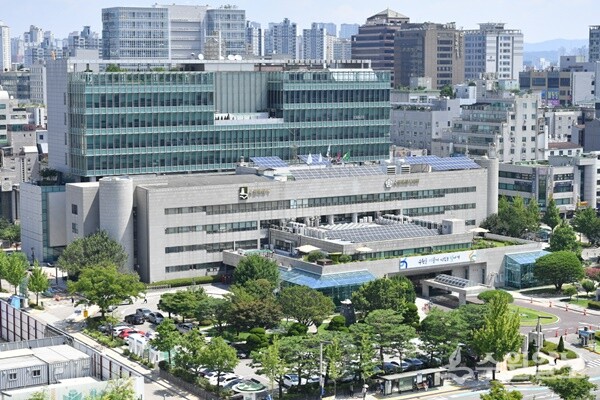
[Suwon Ilbo=Reporter Jung Jun-sung] Suwon Special City identified 332 at-risk individuals through a targeted survey to uncover those vulnerable to lonely death (고독사).
According to the city on the 7th, from March 11 to April 4, a "targeted survey to discover lonely death risk groups" was conducted targeting low-income single-person households aged 40-64, examining social networks, loneliness, and depression. Of 6,316 total survey targets, 4,892 participated in the survey.
The survey was conducted through public-private collaboration utilizing human safety networks including honorary social welfare officials and members of community welfare councils, with non-face-to-face surveys by phone and mail conducted in parallel.
Using a tool to assess lonely death risk, the survey classified at-risk groups (6 points or higher on a 13-point scale) and non-risk groups (5 points or lower), finding that 332 individuals (6.8%) were in the at-risk category.
Jangan-gu had the highest number with 130 people, followed by Gwonseon-gu with 73 people, Yeongtong-gu with 66 people, and Paldal-gu with 63 people. The average risk scores by district for lonely death at-risk groups were: Jangan-gu 7.6 points, Paldal-gu 7.5 points, Yeongtong-gu 7.2 points, and Gwonseon-gu 6.8 points.
The city identified welfare needs of the at-risk groups discovered in this survey and linked them to check-in services such as Saebbit Anbu Ttokttok and AI speakers, which are part of the Ministry of Health and Welfare's lonely death prevention pilot projects. Additionally, the seven core services of Suwon Saebbit Care (Anyone)—including meal support, companionship care, residential safety, and psychological counseling—were customized and linked to those experiencing difficulties due to social isolation.
Individuals requiring mental health counseling and treatment due to depression, alcohol dependence, and other conditions will be sequentially linked to mental health-related institutions such as the Mental Health Welfare Center and Suwon Suicide Prevention Center.
The city plans to link the at-risk groups discovered in this survey to newly launched Hope Wings support projects and Saebbit network formation programs, as well as other lonely death prevention initiatives, aiming to lower the risk of lonely death and expand public-private cooperation in preventing lonely deaths.
A city official stated, "We will continuously monitor the at-risk groups discovered through check-in service linkages and selection of case management targets," and added, "We encourage citizens to report crisis households using the Welfare Crisis Alert app, which allows for rapid reporting of vulnerable households in our community, and to join efforts in eliminating welfare blind spots."



Loading comments…