


Gyeonggi Province Pursues 'Gyeonggi Climate Bridge' Project to Address Climate Disparity

[Suwon Ilbo=Reporter Kim Gap-dong] Gyeonggi Province will invest 364 billion won this year to pursue the 'Gyeonggi Climate Bridge Project,' comprised of 121 initiatives including the establishment of climate insurance and provision of climate management services for small and medium-sized enterprises, to address 'climate disparity.'
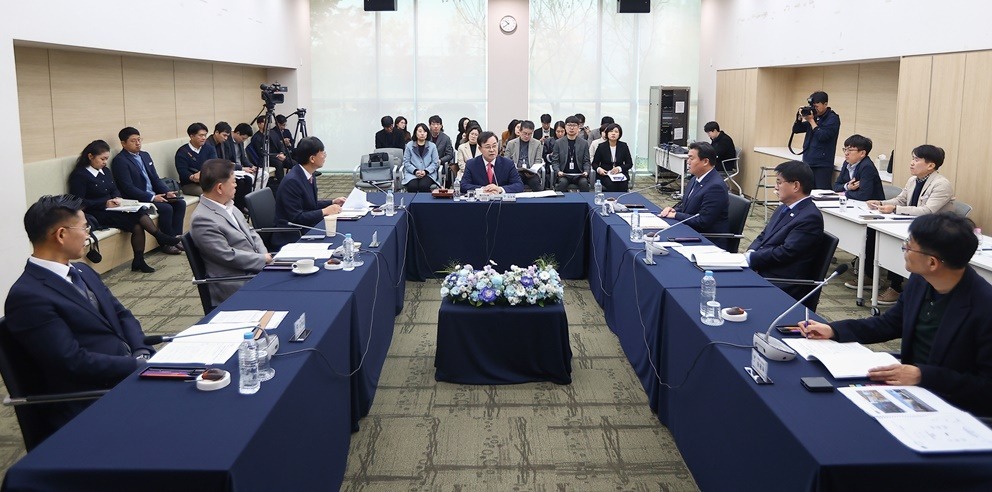
On the 17th, Gyeonggi Province hosted the 'Inclusive Climate Crisis Response Strategy Forum' at the Gyeonggi Provincial Government building, led by the Climate Crisis Response Committee, and announced the 'Gyeonggi Climate Bridge Project' plan encompassing these details.
Climate disparity is a phenomenon in which gaps in responding to climate change between social strata emerge due to differences in economic and social conditions, intensifying polarization. The concept was first presented by Governor Kim Dong-yeon at the 'Climate Reality Leadership Training' held at KINTEX in Goyang in August 2023.
Gyeonggi Province has incorporated four major policies—transition to climate economy, realization of residents' climate welfare, promotion of balanced climate development, and strengthening residents' climate capacity—along with 12 core strategies and 121 detailed projects into the 'Gyeonggi Climate Bridge Project,' based on the principle of 'common but differentiated responsibility' to address climate disparity. The province plans to invest 364 billion won in fiscal funds this year for project implementation.
Among major projects, the province will operate 'climate insurance' as a social safety net that supports health damages from climate change for all residents—a nationwide first. The province will also establish a platform providing one-stop support for small and medium-sized enterprises in renewable energy expansion, energy efficiency improvement, and greenhouse gas emission calculation, and will provide 'SME climate management services' from the first half of this year following pilot operations.
Other included projects encompass a resident climate general assembly, rural-type solar farm pilot zones, and passive remodeling projects for housing of vulnerable populations.
Meanwhile, this forum was attended by approximately 100 diverse stakeholders, including residents, relevant experts, insurance and climate tech companies, carbon-neutral resident promotion groups, and municipal government officials, to address climate disparity issues affecting vulnerable populations with insufficient climate crisis response capacity.
At the forum, Jeon Ui-chan, co-chair of Gyeonggi Province's Climate Crisis Response Committee, served as moderator and held discussions with experts from various sectors on ways to advance inclusive climate crisis response strategies encompassing all residents and vulnerable populations, while exchanging questions and answers with stakeholders present at the venue.
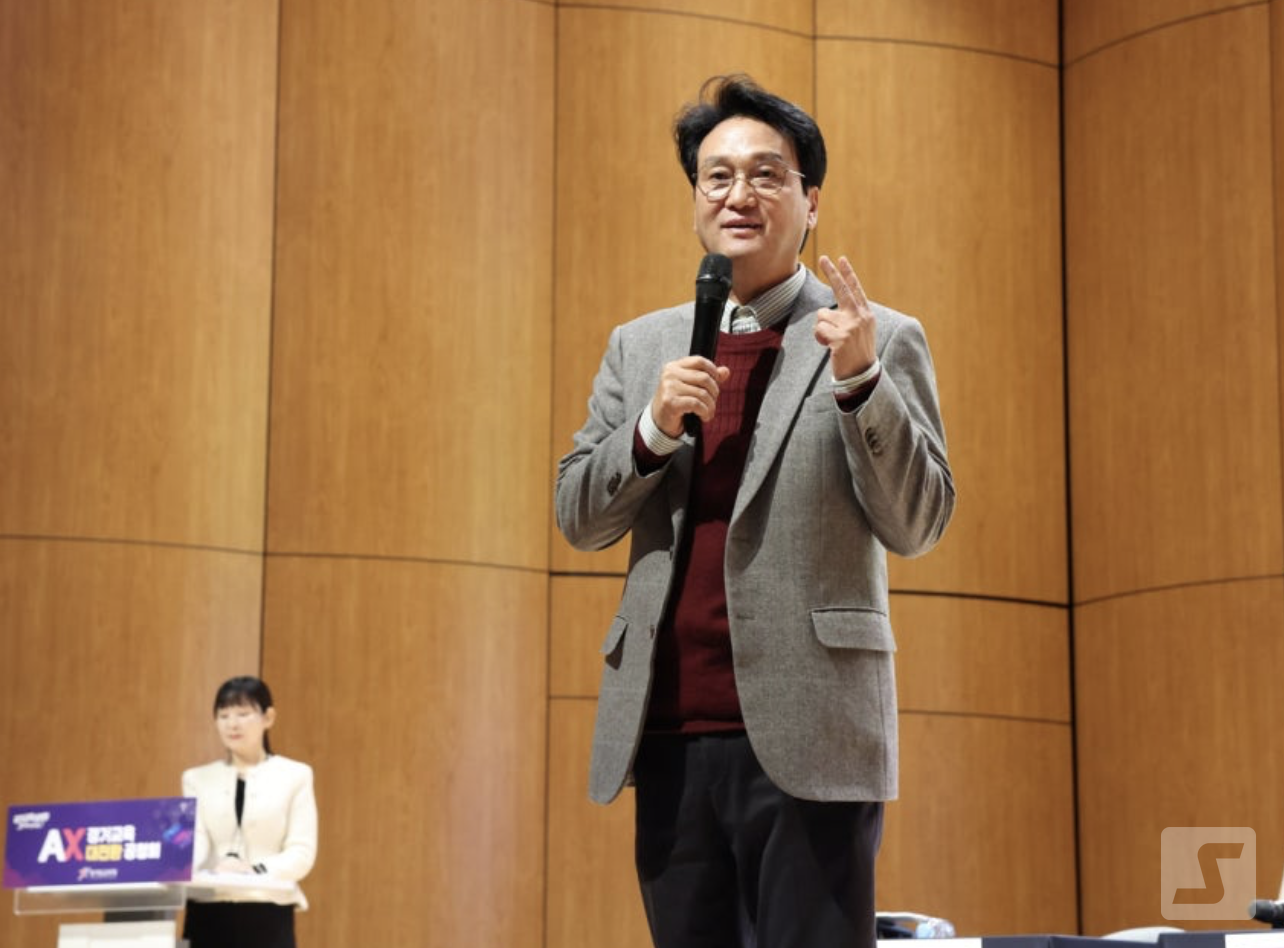
Professor Cho Yong-sung of Korea University delivered a lecture on the responsibilities and roles of local governments in resolving climate inequality, diagnosing the climate disparity phenomenon and emphasizing the importance of proactive government roles for problem-solving.
To establish this policy foundation, the province has prepared the 'Gyeonggi Province Basic Ordinance on Addressing Climate Disparity,' a nationwide first, and is promoting its enactment, having issued legislative notice on December 19 of last year.
Cha Sung-soo, Director of Climate, Environment and Energy of Gyeonggi Province, stated, "In responding to climate crisis, we will place 'innovation' and 'inclusion' at the center, and pursue innovative climate policies alongside expanding the social safety net for climate-vulnerable populations through inclusive climate policies."
Loading comments…