


5.9% of Youth Aged 19-39 in Gyeonggi Province—About 220,000—Estimated as 'Isolated or Withdrawn Youth'

[Suwon Ilbo=Reporter Kim Gapdong] A survey has revealed that among approximately 3.67 million youth aged 19-39 in Gyeonggi Province, an estimated 220,000—or 5.9%—are classified as isolated or withdrawn youth. This is the first survey conducted on the scale of isolated and withdrawn youth in the province.
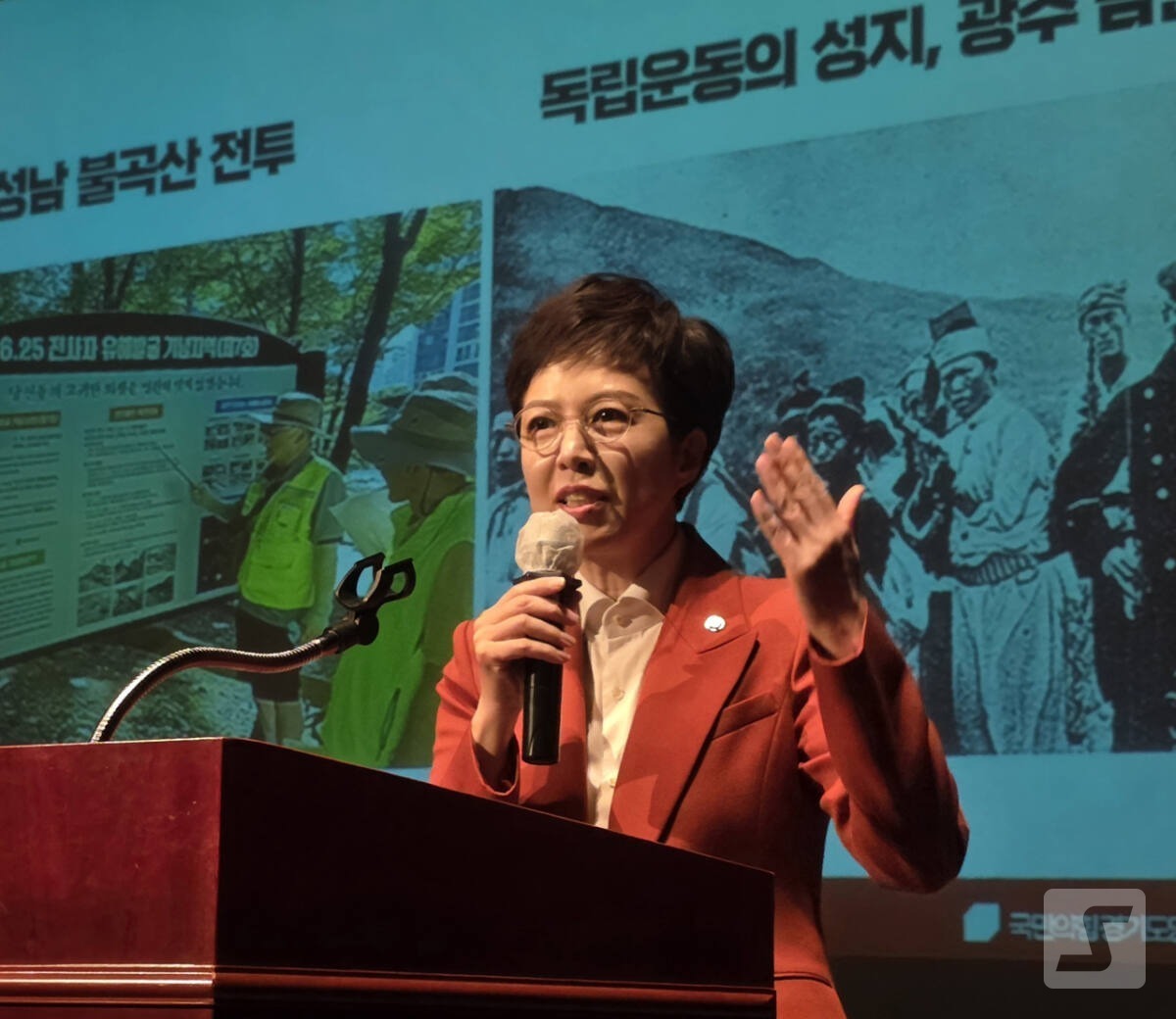
On the 20th, Gyeonggi Province held the 'Isolated and Withdrawn Youth Support Forum' at the Gyeonggi Arts Center Convention Hall under the theme 'A Connected World Through Understanding and Participation,' and announced the results of an actual conditions survey.
Park Gyu-beom, a research fellow at the Gyeonggi Welfare Foundation who participated in the actual conditions survey, announced that based on analysis of Gyeonggi Province data from the '2023 Statistics Korea Social Survey' and the '2022 Presidential Coordination Office Youth Life Actual Conditions Survey,' among approximately 3.67 million youth in the province, isolated youth account for 5.9% (216,000) and withdrawn youth for 3.3% (121,000).
Isolated youth are defined as those unable to form meaningful relationships with others or who cannot or struggle to request help when facing difficulties. Withdrawn youth are those who remain in confined spaces such as rooms or homes with little to no relationship or interaction with others and society. Respondents may be classified as both depending on their circumstances.
According to survey results on the period and timing of isolation and withdrawal, as well as policy needs, the findings indicate a need for long-term support, tailored policy development, cultivation of specialized organizations and activists, mentorship programs, and establishment of support programs for potentially isolated and withdrawn youth.
The forum held at the Gyeonggi Arts Center Convention Hall was conducted both online and offline through the Gyeonggi Youth Support Project Team YouTube channel under the theme 'A Connected World Through Understanding and Participation,' with 100 attendees including isolated and withdrawn youth, their families, provincial officials, and provincial assembly members.
The event consisted of achievement reports, presentations and comprehensive discussions, and online lectures, with achievement reports presented in the following order: the Gyeonggi Province isolated and withdrawn youth actual conditions survey results, performance results of the Gyeonggi Province isolated and withdrawn youth support program, and testimonies from youth program participants.
Following the presentation of the actual conditions survey results, Moon Sang-chul, CEO of Hope Nest Cooperative, presented achievements in counseling isolated and withdrawn youth and operating customized support programs. Park Se-bin, a youth who participated in the program, shared the circumstances that led to their isolation and withdrawal, stating "I received much help through this program. Now I want to return to society," earning empathy from many attendees.
In the presentation and comprehensive discussion session, various cases from the field and policy proposals regarding mental health, youth spaces, and community support measures were presented. Presentations were given in the following order: 'Support Methods for Isolated and Withdrawn Youth with Accompanying Mental Illness' by Byeon Ji-woo, Deputy Director of Ansan Mental Health and Welfare Center; 'The Role of Youth Spaces for Isolated and Withdrawn Youth' by Kim Jong-ha, Director of Gwangju Youth Support Center; and 'Methods of Supporting Social Relationships Among Isolated and Withdrawn Youth' by Park Du-hun, Secretary General of Knowledge Circulation Social Cooperative.
Following this, under the facilitation of Kim Hye-won, Chair and Professor of Youth Culture and Counseling at Hoseo University and Director of the Korea Youth Foundation Pina Down, discussions were held on practical policies to address issues of isolated and withdrawn youth and ways to foster community cooperation.
Finally, online lectures followed including 'Understanding Youth Characteristics and the Importance of Mental Health' by psychiatrist Kim Ji-yong, 'When I See Isolated Youth Around Me' by author Jang Jae-yeol, and 'Creating Our Safe Space' by Son Ha-bin, CEO of Mitmi (online community). Lee In-yong, Director of Gyeonggi Province's Youth Opportunity Division, stated "Isolation and withdrawal issues are not individual problems. Our society must deliberate together and find solutions," adding "We will develop the discussions from this forum and provide careful support for the daily recovery and self-reliance of isolated and withdrawn youth."

Loading comments…