


Suwon City Analyzes Jeonse Fraud and Empty Jeonse Damage Cases Using Registry Records...First in Korea
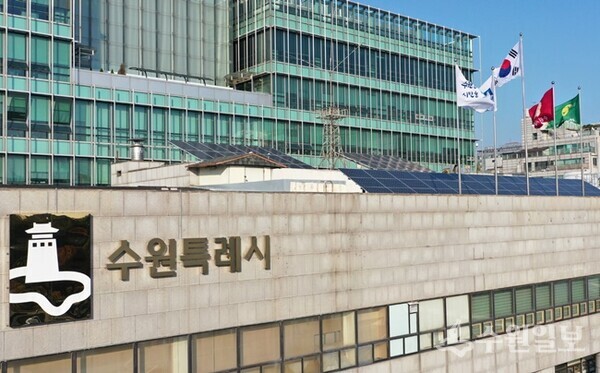
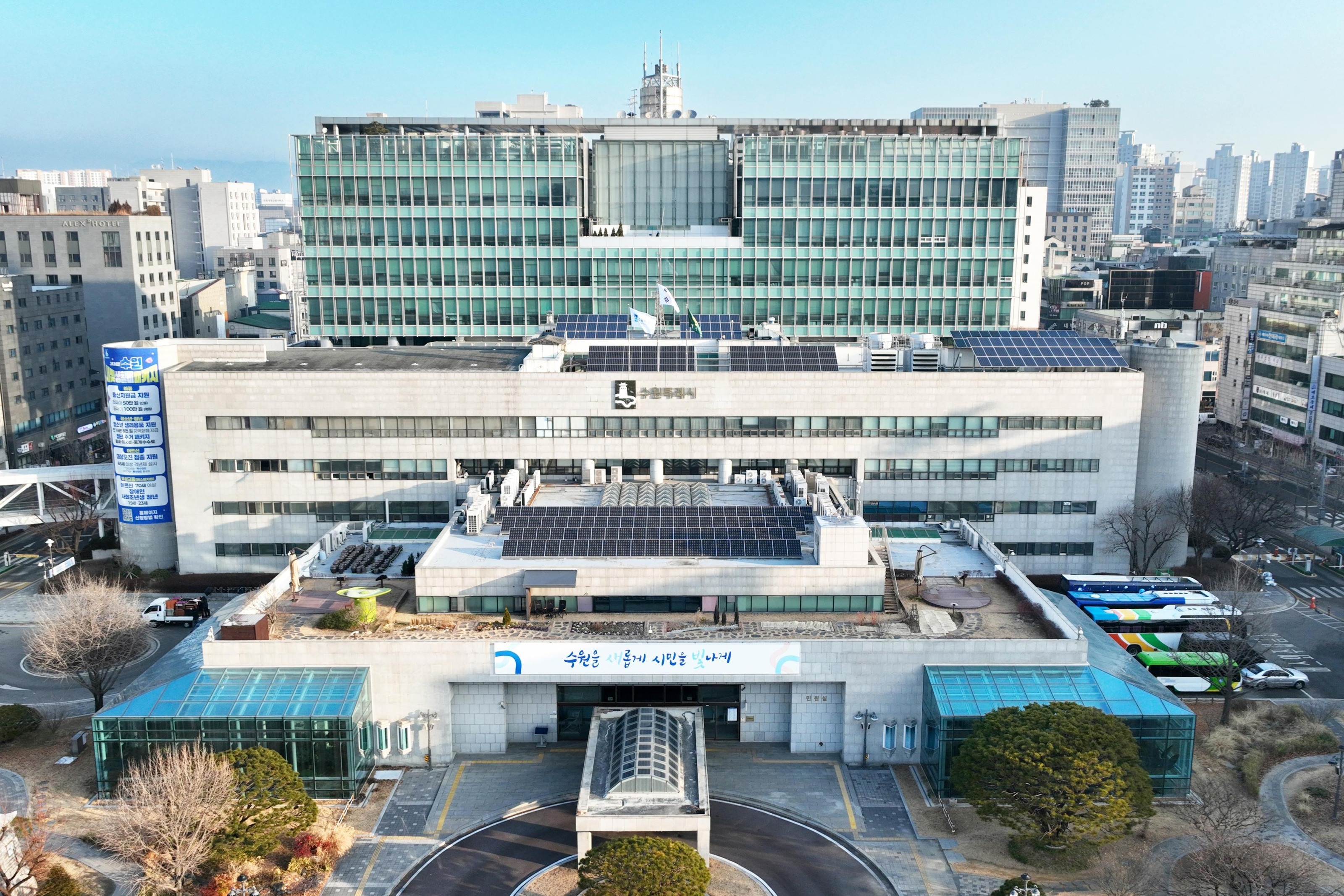
[Suwon Ilbo=Reporter Jung Jun-seong] Suwon City announced on the 9th that it has become the first in Korea to analyze the actual conditions of jeonse fraud and empty jeonse damage households by linking property right information from registry records with survey data from affected households.
The city conducted a survey in April and May jointly with the Korea Urban Institute targeting 374 households that suffered jeonse fraud and empty jeonse damage. The survey covered rental information, first-priority mortgages and related damages, usage and opinions on support measures, and household conditions.
Additionally, the city obtained registry records for 358 households with valid road name addresses and existing records, and analyzed △owner (landlord) information △first-priority mortgages △foreclosure and public auction registration status △private rental housing registration status △tenant rights registration and jeonse rights establishment △joint collateral establishment status, etc. in connection with survey results.
The analysis examined whether second-priority tenants had first-priority mortgages exceeding the deposit amount, whether second-priority tenants qualified for top-priority repayment rights, and whether joint collateral was established including the damaged property.
Analysis results showed that 19.0% of households qualified for top-priority repayment rights, which was because the average deposit of damage households was 154.71 million won, exceeding the range of small-amount tenants eligible for top-priority repayment.
When joint collateral status was analyzed by linking registry records, 82.1% of cases had joint collateral established. The majority of non-small-amount second-priority tenants (89.9%) and small-amount second-priority tenants (89.6%), who face greater losses than first-priority tenants when auctions are concluded, had joint collateral established.
A city official stated, "We accurately analyzed the actual conditions of damage households using registry records and survey results to be utilized as basic data for proposing legal enactment and institutional improvements for supporting jeonse fraud and empty jeonse damage households and preventing such damage."

Loading comments…