


Gyeonggi Province Reaches Record 14 Million Residents, with Suwon Leading at 1.226 Million
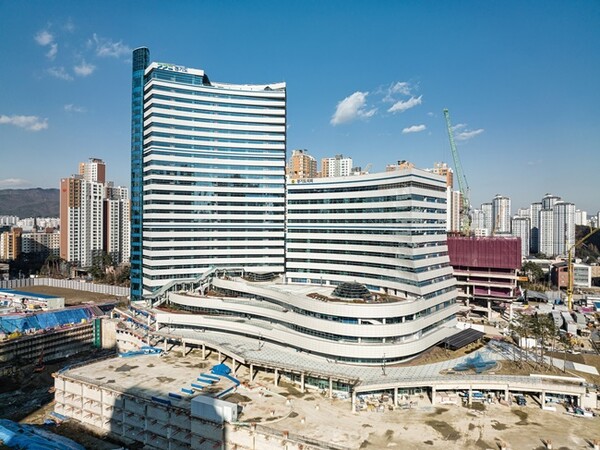
[Suwon Ilbo=Reporter Park No-hun] Gyeonggi Province's population (Korean nationals and foreign residents) has exceeded 14 million for the first time in history.
It has been 20 years and 4 months since the province surpassed 10 million residents at the end of December 2002, following 6 years and 8 months since reaching 13 million at the end of August 2016.
According to Gyeonggi Province on the 21st, after analyzing resident registration statistics from the Ministry of the Interior and Safety and registered foreign resident statistics from the Ministry of Justice, as of the end of April, the resident registration population was 13.607919 million and registered foreign residents numbered 395,608, bringing the total population residing in Gyeonggi Province to 14.003527 million.
This represents 26.6% of the nation's total population of 52.645711 million as of the end of April.
Southern Gyeonggi has 10.384604 million residents (74.2%), while Northern Gyeonggi has 3.618923 million (25.8%).
This is more than 1.4 times the population of Seoul (9.67 million).
In December 2003, Gyeonggi Province recorded a population of 10.361638 million, surpassing Seoul's population of 10.276968 million for the first time.
Compared to 1967, when the Gyeonggi Province Government Office relocated to Suwon, the population has increased by 11 million.
At the end of 1967, the population of Gyeonggi Province was 3.070797 million.
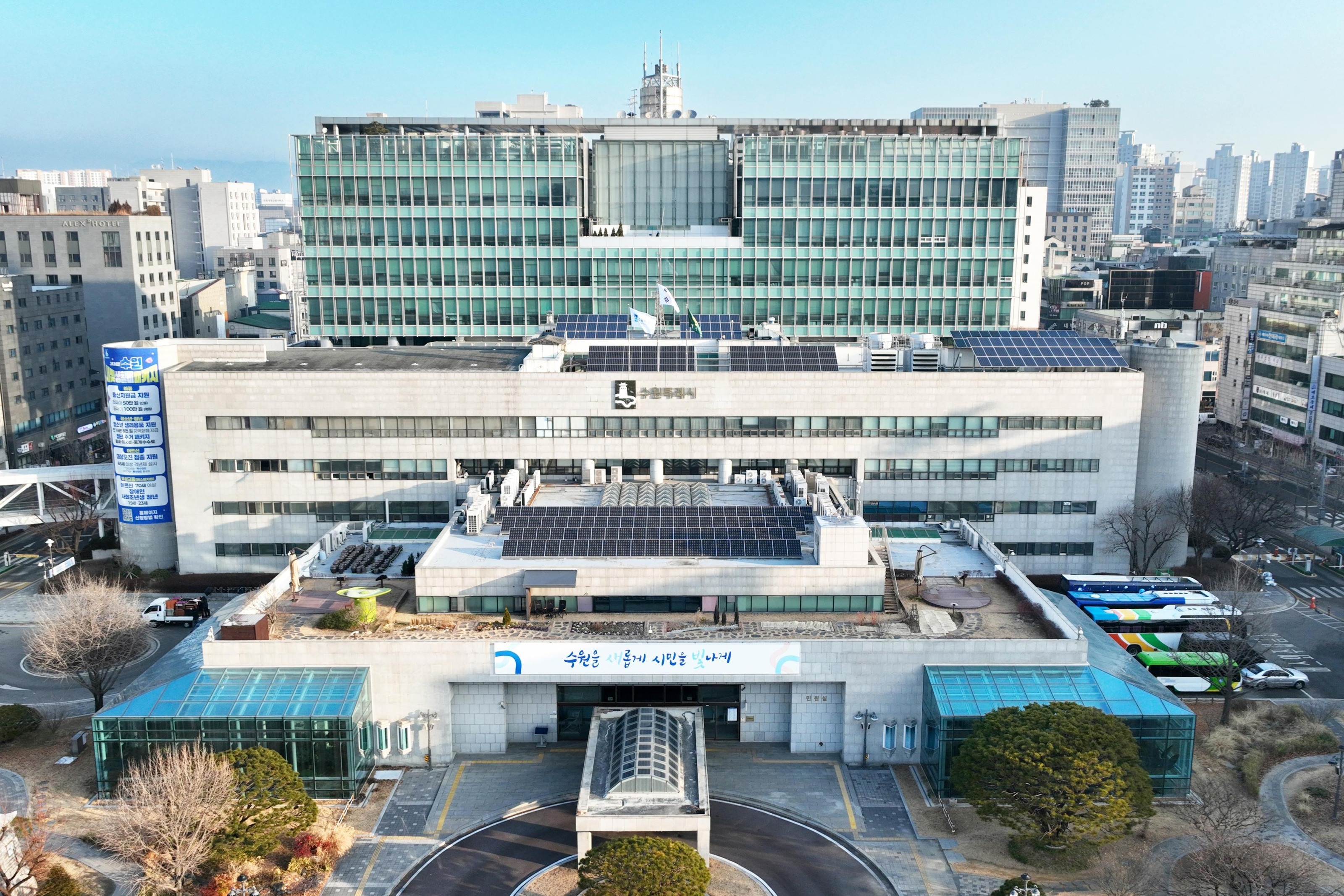
By city and county, Suwon has the largest population with 1.226735 million, followed by Yongin with 1.092738 million and Goyang with 1.089934 million.
The city and county with the smallest population is Yeoncheon County with 427,769, followed by Gapyeong with 630,005 and Gwacheon with 791,330, showing a significant gap in population between cities and counties.
Gyeonggi Province's population growth is primarily attributed to social increase driven by population migration from other regions, rather than natural increase from births.
From 2016 to 2022, Gyeonggi Province's natural increase in population was 1.584002 million, while social increase was 9.173311 million, a difference of 7.589009 million.
From 2016 to 2022, Gyeonggi Province saw an influx of approximately 990,000 residents, with 770,000 from Seoul and approximately 30,000 each from Busan, Daegu, North Gyeonggi, and South Gyeonggi.
In contrast, population outflow during the same period was only around 700,000. From August 2016 to April 2023, the cities and counties within Gyeonggi Province with the largest increases in Korean nationals were Hwaseong with 3.050,000, Hanam with 1.350,000, Gimpo with 1.290,000, Pyeongtaek with 1.240,000, and Siheung with 1.220,000.
A provincial official stated, "Entering the era of 14 million residents, Gyeonggi Province, as a leading local government driving change in the nation and as an opportunity capital in welfare and economy, plans to implement various services and policies to improve the quality of life for residents of Gyeonggi Province."
Loading comments…