


Gyeonggi Province Launches Pilot Project for Waste LED Lighting Recycling
Suwon NewsPublished 2020.04.29 06:10
Memorandum of understanding signed with Ministry of Environment, Seoul City, Korea Environment Institute, and mutual aid associationsWaste LED lights to be separately disposed in existing fluorescent tube collection bins → collected by city → transported and processed by recycling companiesExpects reduction in LED lighting waste previously discarded as simple household waste
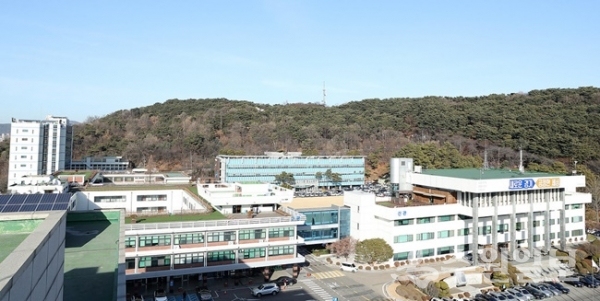
[Suwon Ilbo=Reporter Park No-hun] Gyeonggi Province announced on the 29th that it will conduct a pilot project to recycle waste LED lighting, whose discharge volume has been increasing recently.
The province signed a memorandum of understanding with the Ministry of Environment, Seoul City, the Korea Environment Institute, mutual aid associations, and others on the 16th and will promote a waste LED recycling pilot project until August. A total of 11 cities in the province, including Suwon, Yongin, Seongnam, Bucheon, Hwaseong, Paju, Gimpo, Osan, Guri, Anseong, and Gwacheon, will participate in this pilot project.
Following the signing of this agreement, residents in the relevant areas can separately dispose of waste LED lighting in existing fluorescent tube collection bins. After collection by the responsible collection company, waste fluorescent tubes and waste LEDs are stored separately, and recycling companies will regularly collect them at least once a month. Recycling companies will recycle plastics and aluminum from waste LED lighting while extracting valuable metals such as silver and copper from the light-emitting chips.
The province expects to significantly reduce LED lighting waste through this project and plans to actively promote ‘waste LED separate disposal guidelines’ within the relevant areas during the project period. Furthermore, after the pilot project period ends, the province plans to continue expanding the target areas for waste LED recycling throughout the province.
Meanwhile, LED lighting has seen increasing distribution since 2011 due to its advantages of low electricity consumption and long lifespan, and accordingly, the discharge volume of waste LED lighting continues to increase. However, due to the absence of standards for separate disposal and recycling, most waste LED lighting is simply disposed, landfilled, or incinerated, and the need for recycling has been raised.
Um Jin-seop, director of the Environment Bureau of Gyeonggi Province, said, "We will continuously promote recycling activation projects like this so that Gyeonggi Province can take the lead in creating a resource-recycling society through reduction of household waste and improvement of recycling rates," and requested "the strong interest and participation of province residents in environmental protection through recycling."
© Suwon Ilbo. Unauthorized reproduction and redistribution prohibited.
Loading comments…