


Feature Osan City Dedicates Administrative Efforts to Caring for Children, "Precious Beings of the World"
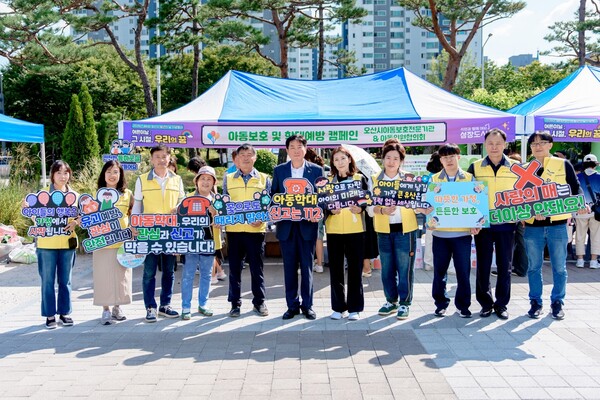
Child welfare in Osan City (Mayor Jo Yong-ho) begins with caring for children's daily lives and extends to recovery and self-reliance after crisis. For children who need after-school childcare, the city connects them with childcare facilities within their living areas, and provides emergency childcare during evenings and holidays when childcare needs suddenly arise. For children who are difficult to protect within families, counseling, treatment, living support, and follow-up management follow.
For vulnerable children, the city does not provide just one type of support. Instead, it examines health, learning, emotions, and family relationships together and connects necessary services. After protection ends, the city supports children's preparation for self-reliance so they can settle stably into society.
Osan City continues to provide childcare and protection, family recovery, and self-reliance support tailored to children's situations and growth stages. Osan City's direction for child welfare is to ensure that support does not cease at necessary moments.
34 children's childcare facilities…emergency childcare even in evenings and weekends
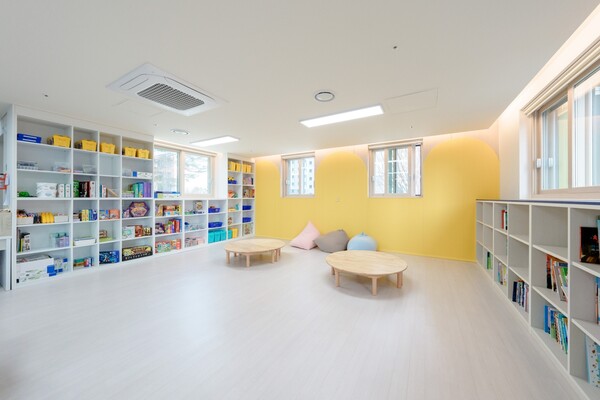
The foundation of Osan City's child welfare is childcare facilities that can be used near residential areas. The city operates a total of 34 facilities, including 23 Gacheorome (Together Grow) Centers, 2 school childcare centers, and 9 community children's centers, and has expanded support ranging from after-school childcare to emergency childcare in evenings and holidays.
Among these, 16 facilities, including 14 Gacheorome Centers and 2 community children's centers, provide "anytime emergency childcare services." For families that suddenly need to entrust their children, the city supports childcare from 7 a.m. to midnight on weekday evenings and weekends and holidays.
The city has also reflected different living schedules for each family. Community children's centers operate weekend and evening childcare, and one Gacheorome Center has extended its operating hours. During school breaks, 4 community children's centers and 3 Gacheorome Centers provide gap childcare.
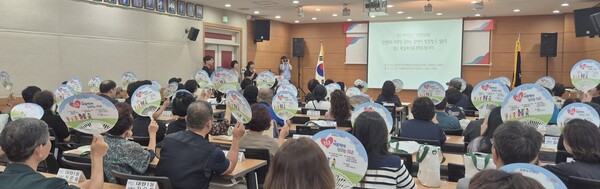
The city is also connecting the functions of individual facilities around hub childcare centers. The structure builds a cooperation system between facilities and operates employee competency enhancement education and common education for children, raising the city's overall childcare capacity. Rather than simply increasing the number of facilities, the city is reducing childcare gaps by supplementing both operating hours and service quality.
Seamless support from institutional care to family foster care and self-reliance
For crises that cannot be resolved through daily childcare alone, the public protection system operates. Osan City operates child abuse reports and investigations 24 hours a year, and when children in crisis are discovered, the city continues necessary measures from establishing protection plans to counseling, treatment, and follow-up management.
Child protection agencies, shelters for abused children, and group living facilities divide roles according to children's situations and protection periods. Children requiring emergency protection live in shelters and regain psychological stability, while children requiring long-term protection are prioritized for family-type care such as adoptive families and foster families, but if no such families are available, they prepare for self-reliance while living in group living facilities. Child protection agencies continue case management to help abused children and families recover and prevent abuse from occurring again.
Support does not end after family foster care, adoption, or return to the original family. The city regularly confirms the rearing situations and living adaptation processes of children in protection, and connects necessary support even after protection environments change.
For young adults preparing for self-reliance after protection ends, the city provides financial education and certification acquisition programs. The core of Osan City's child protection system is expanding the scope of support beyond separating children from crises to include recovery, adaptation in new environments, and social settlement.
Examining growth of vulnerable children and family functions together
For vulnerable children, an approach that examines the entire home environment is necessary rather than fragmented support targeting only children. Through Dream Start, Osan City comprehensively confirms living conditions for vulnerable children and families aged 12 and under, as well as pregnant women, and connects necessary services.
Currently, 133 households and 199 people are receiving integrated case management for children. Based on four areas—physical and health, cognitive and language, emotional and behavioral, and parental and family—the city determines the direction of support for each household and connects welfare, education, and medical resources. The city has focused on recovering both children's growth and family's parenting functions by providing 32 types of essential and customized services this year.
The city also supports enrollment in Didim Seed Savings Accounts so children can prepare for adulthood. This system allows children in protection, basic living recipients, and lower-income households to build self-reliance foundations needed for academics, employment, and housing through savings. Currently, 1,786 people in Osan are enrolled in this program.
The strength of Osan City's child welfare is that childcare, protection, case management, and self-reliance support do not remain within their individual programs. The structure begins with daily childcare that protects children's ordinary days, discovers and protects children in crisis, and then continues necessary support for family recovery and children's self-reliance.
Mayor Jo Yong-ho of Osan City said, "So that children do not miss opportunities for childcare and learning due to home environment or sudden crises, we will connect seamlessly from daily childcare to protection and self-reliance," and "We will work together with the local community to build a close-knit child welfare system so that all children can grow up healthy in a safe environment."



Loading comments…