


Gyeonggi Province Signs Collective Agreement with Public Servants' Labor Union
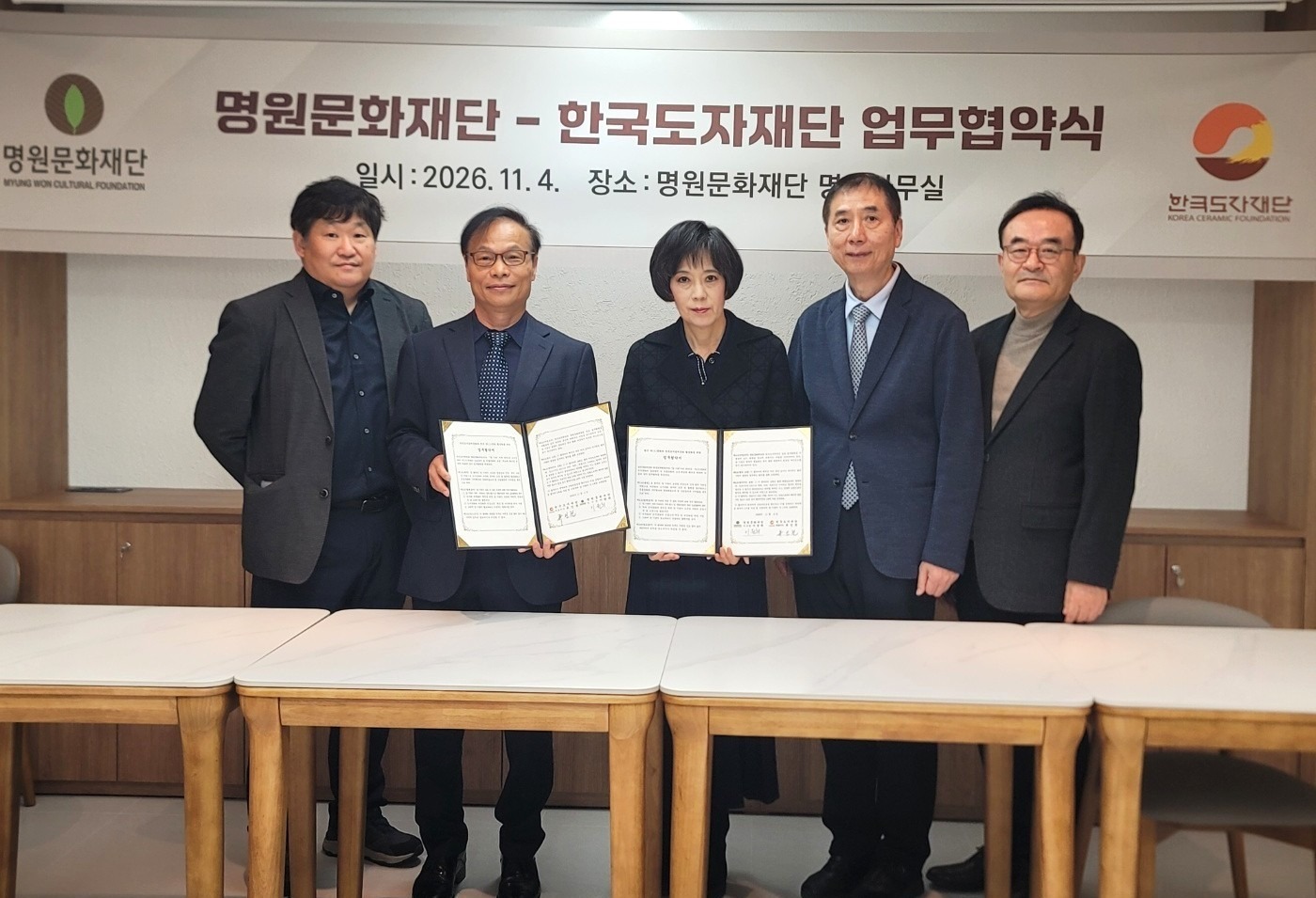
Gyeonggi Province signed a collective agreement with the Gyeonggi Province Civil Servants' Labor Union on the 7th at the Gyeonggi Provincial Government building, with the core agenda of establishing a personnel management basic plan that reflects the opinions of both the union and employees.
Among all metropolitan-level local governments nationwide, Gyeonggi Province is the second to sign a collective agreement, following Jeju Province.
Both sides agreed in the 12-chapter, 122-article collective agreement to reflect employees' personnel opinions without special reasons and to make efforts in implementing rational and transparent personnel promotion that resonates with the majority of employees.
The agreement also stipulates that the labor union will recommend two personnel members to join the multi-faceted evaluation committee, and that assignments will be changed away from continuously placing only personnel from a specific department to that same department.
Meetings or consultations related to work will be held in principle during regular working hours on weekdays, and overseas travel for spouses of long-serving employees will be expanded.
Additionally, both sides agreed on ▲phased expansion of educational and training expenses ▲expanded opportunities for further study or training ▲holding sports festivals twice annually ▲securing dormitories for long-distance commuters ▲educational support for civil servants preparing for retirement ▲expansion of the Gyeonggi Provincial Government office daycare capacity and other measures.
Both sides decided to establish and operate the "Gyeonggi Provincial Government Public-Labor Relations Committee" to discuss implementation plans for the collective agreement and other matters of labor-management interest.
An official with the civil servants' labor union said, "We will continue to discuss and develop negotiation items and additional negotiation proposals that could not be concluded this time to ensure that public servants can work under optimal working conditions."

Loading comments…