


Gyeonggi Province: "Total of 71 Confirmed Cases from Church Cluster Infection"

[Suwon Ilbo=Reporter Park No-hun] The Gyeonggi Province COVID-19 Emergency Response Team (co-heads Lee Hee-young and Lim Seung-gwan) announced that as of 16:00 on March 16, there were 230 confirmed cases of COVID-19 in Gyeonggi Province (8,236 nationwide). This represents an increase of 20 from 0:00 the previous day. With confirmed cases from Seongnam's River of Grace Church and others, the count increased by 46 by 8:00 a.m., bringing the total to 256.
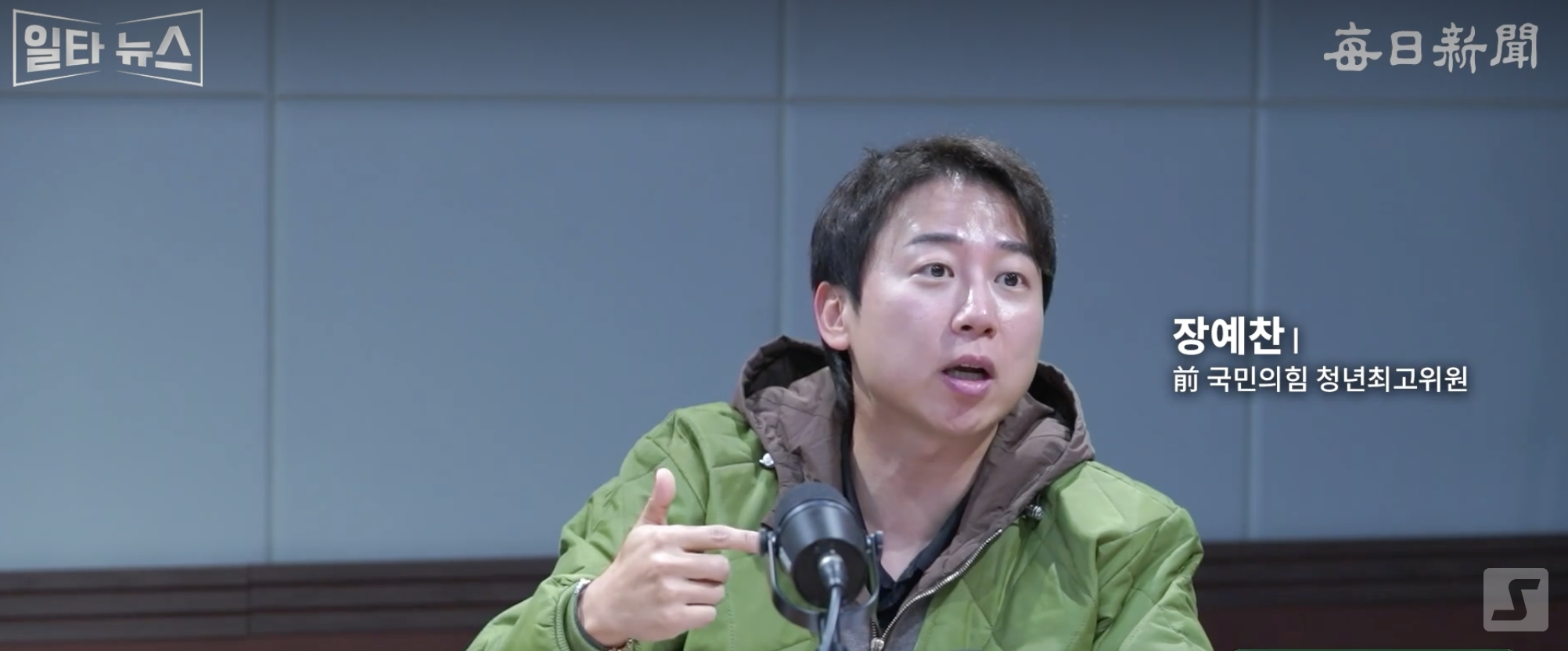
At today's briefing, Lee Hee-young, Professor of Public Healthcare Business Division at Seoul National University Bundang Hospital and co-head of Gyeonggi Province's COVID-19 Emergency Response Team, took the podium.
In Seongnam City, confirmed cases increased by 44 from the previous day to a total of 70. From March 13 to present, 46 confirmed cases related to worship services at River of Grace Church in Seongnam City, including the pastor and his wife, have been identified, with 45 cases among Gyeonggi Province residents. They attended the same worship service on March 8 as a confirmed case resident from Gwangjin-gu, Seoul.
The church in question has been closed, and the province has dispatched a rapid response team to conduct in-depth epidemiological investigations of confirmed cases and identify and classify contacts. The 135 attendees of worship services on March 1 and 8 are currently under self-quarantine and undergoing full testing.
Following Seongnam City, Bucheon City has 37 cases and Suwon City has 20 cases, with confirmed cases occurring in 24 cities and counties throughout the province. The average incidence rate per 100,000 residents in Gyeonggi Province is 1.68 cases. By city and county, Gwacheon has the highest rate at 5.13 cases per 100,000, followed by Seongnam at 4.58 cases and Bucheon at 4.33 cases. Among the 256 confirmed cases in Gyeonggi Province, 50 have been discharged and 203 are currently in isolation treatment.
Previously, Gyeonggi Province expressed concern about cluster infections of COVID-19 through local religious activities and strongly requested religious organizations to transition their worship methods.
Nevertheless, infection cases through churches have continued to occur. A total of 71 confirmed cases have been infected through churches: 15 from Life Water Church in Bucheon, 10 from Life Spring Church in Suwon, and 46 from River of Grace Church in Seongnam.
Regarding this, the team head stated, "It is necessary for religious organizations to actively participate by transitioning their worship methods, with a sense of crisis that no more confirmed cases should occur."
Since late February, many organizations have actively participated in suspending worship services, masses, and Buddhist ceremonies and transitioning to online services. However, as of March 15, 2,635 churches in the province were confirmed to still be conducting group worship services.
Last week, Gyeonggi Province requested compliance with infection prevention measures for group worship services, including fever checks, mask wearing, hand sanitizer placement, maintaining a distance of 2 meters or more between attendees, and disinfection of the church interior and exterior before and after services. However, inspection results showed that 619 locations, equivalent to 23.5%, failed to comply with one or more prevention measures.
The team head stated, "I extend my deep gratitude to members of the religious community who actively cooperated in complying with prevention measures, and I ask for your continued participation in preventing the spread of cluster infections."
As of 8:00 a.m. on March 16, Gyeonggi Province has secured 397 beds at a total of 14 hospitals through cooperation with three nationally designated hospitalization treatment hospitals, six Gyeonggi Province public medical institutions, one Seongnam City Hospital, and four private tertiary general hospitals in the province, with 200 available beds currently.
The team head also announced the operational plan for Gyeonggi-style community treatment centers.
Gyeonggi Province's first community treatment center to accommodate and treat mild COVID-19 patients is scheduled to open in Yongin City this week and is being prepared in cooperation with Seoul National University Bundang Hospital and Hanwha Life. With the Yongin center receiving cooperation from a tertiary general hospital, it is expected to be a facility that sufficiently enhances the quantity and quality of medical services and prepares for contingencies.
The Gyeonggi-style community treatment center will operate by accepting recovery-phase patients after hospitalization to reduce management burden and assist in the psychological and emotional recovery of residents, with plans to gradually expand operations. The province is currently reviewing optimal locations for additional facilities.
Regarding the disclosure of confirmed cases' movement routes, the province plans to disclose information necessary for quarantine by considering multiple aspects including epidemiological reasons, legal restrictions, and protection of confirmed patients' privacy, based on guidelines recommended by health authorities.
Some local governments have disclosed the movement routes of COVID-19 confirmed cases within their jurisdictions based on epidemiological investigation results. However, due to regional discrepancies in disclosure scope and controversy over privacy violations caused by disclosing movement routes with low epidemiological relevance, health authorities distributed a "COVID-19 Confirmed Case Movement Route Disclosure Guideline" on March 14.
The team head stated, "Provincial residents' anxiety and tension continue, and the fatigue of medical professionals and civil servants working day and night on the frontlines is also growing. Everyone is having a difficult time, but I hope that by being considerate of one another and providing support, we will overcome this crisis together."


Loading comments…