


Gyeonggi Province Confirms 42.2 Trillion Won Second Supplementary Budget…Choo Mie-ae "More Concern About Next Year's Finances"
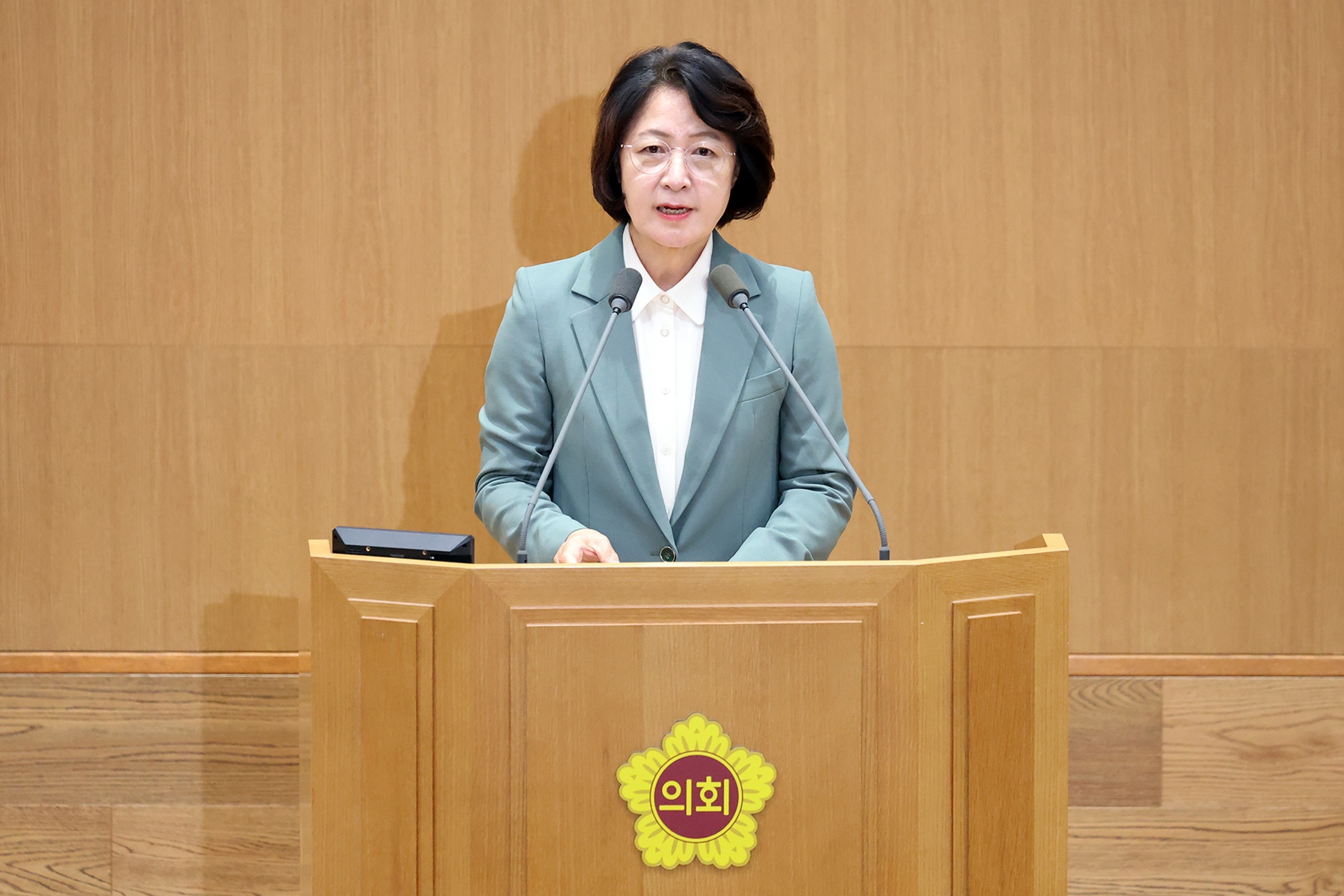
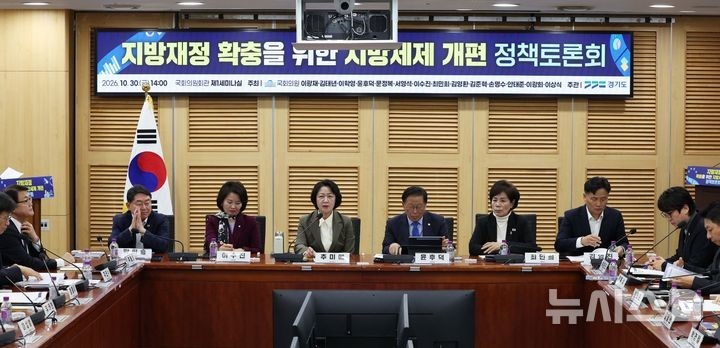
Gyeonggi Province Governor Choo Mie-ae stated after the passage of the second supplementary budget, "We've extinguished the immediate fire, but the issue is next year," and reiterated her previous position that local tax system reform is urgently needed to establish a stable revenue structure.
Governor Choo added, "I believe this supplementary budget is a precious consensus achieved by the executive and the provincial assembly understanding each other's positions and gathering efforts for the residents despite difficult financial circumstances," and pledged, "We will promptly execute projects reflected in the supplementary budget to ensure citizen-focused projects proceed without disruption."
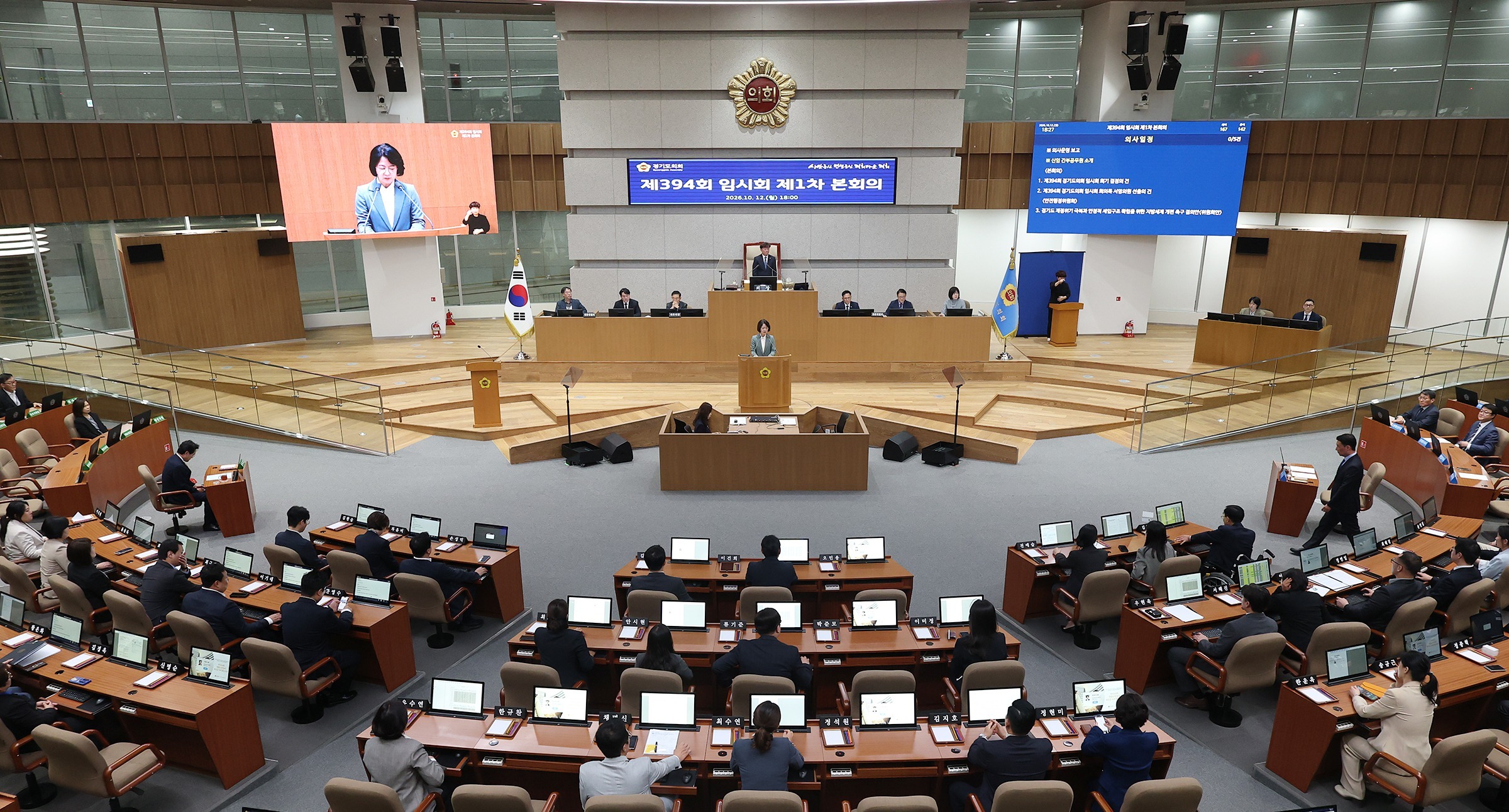
In today's extraordinary session, a resolution titled "Resolution to Urge Local Tax System Reform for Overcoming Gyeonggi Province's Fiscal Crisis and Establishing a Stable Revenue Structure" also passed the Gyeonggi Provincial Assembly's plenary session. The provincial assembly plans to immediately send this to the Office of the President, the Office of the Prime Minister, the Ministry of Interior and Safety, the Ministry of Economics and Finance, and the Ministry of Strategy and Finance.
The resolution requested three major tasks to secure stable tax sources: ▲Gradually increase the local consumption tax rate from the current 25.3% to 40.3% ▲Transfer 5% of corporate income tax from national tax to metropolitan local tax ▲Convert the local education tax on tobacco consumption to the regional resources facility tax for fire services.
The second supplementary budget that passed the Gyeonggi Provincial Assembly's plenary session today totals 42.2053 trillion won. This is 525.4 billion won more than the first supplementary budget of 41.6799 trillion won. The general account increased by 275.1 billion won and the special account by 250.3 billion won, respectively.
Despite difficulties in decreasing local tax revenue, efforts were focused on reflecting budgets essential to residents' lives. ▲Long-term care facilities for the elderly and in-home service 123.4 billion won ▲Support for school meals in provincial education offices for kindergarten through high school 58.4 billion won ▲Gyeonggi Province farmer and fisherman opportunity income support 21.5 billion won ▲Gyeonggi Province youth basic income 16.3 billion won ▲School meal support for underfed children 7.5 billion won, etc. were reflected.
Centering on projects that were planned for only nine months in the regular budget, the lacking three months' budget was additionally reflected, enabling projects to proceed normally without support gaps through the end of the year.
Additionally, to promote vulnerable group support and essential welfare and medical projects, 22.3 billion won for infertility couple treatment support, 11.5 billion won for maternal and newborn health management support, 3 billion won for disabled persons' activity support benefits, 38.9 billion won for medical assistance, 600 million won for national prevention vaccinations, and others were reflected.
Loading comments…